A Natural Solution for California's Herds: African Catfish Peptides

California's cattle producers and agricultural communities are all too familiar with the rising challenge of antibiotic resistance, making common bacterial infections harder to treat in livestock. But imagine a future where we could tackle these infections with a natural, powerful alternative. Our research points to just that: antimicrobial peptides (AMPs) found in African catfish.

We're really excited about these peptides because African catfish thrive in pathogen-rich freshwater, naturally producing these robust immune compounds in their skin mucus as a defense. This natural origin makes them highly appealing alternatives to synthetic drugs.

Predicted Safety and Potent Action

One of the most compelling aspects of these AMPs is their predicted safety for mammals. Our initial computer analyses suggest that various catfish AMPs are generally recognized as safe (GRAS). We predict they'll be absorbed in the human intestine without causing liver, brain, or heart toxicity. Furthermore, lab tests on a promising peptide, NACAP-II, confirmed it was non-hemolytic, meaning it didn't damage rabbit red blood cells—a strong indicator of its potential safety for mammalian cells.

Beyond safety, these peptides demonstrate effectiveness against problematic bacteria. One study revealed NACAP-II's strong activity against Extended-Spectrum Beta-Lactamase (ESBL)-producing Escherichia coli—a critical concern for both animal and human health due to its resistance to many common antibiotics. Another peptide, ACAP-IV, also showed antibacterial activity against E. coli and Staphylococcus aureus. We believe these AMPs work by directly disrupting bacterial cell membranes, a mechanism that makes it harder for bacteria to develop resistance compared to how they resist traditional antibiotics.
Sacramento Valley Field Crops: Article

Healthy Soils and Field Crops Meeting Agenda-Feb 19, 2020

January 21, 2020
By Sarah E Light
Healthy Soils and Field Crop Meeting Ag Building Meeting Room, 142 Garden Highway, Yuba City Wednesday, February 19, 2020 ~ 8:45am - Noon 8:45 am Coffee and Registration 8:55 am Welcome Sarah Light, UCCE Farm Advisor, Sutter, Yuba, Colusa Counties Healthy Soils 9:00 am CDFA Healthy Soils Program Ove...
View Article
Primary Image
Photo by Diane Galvan
UC Master Gardeners- Diggin' it in SLO: Article

Citrus

January 21, 2020
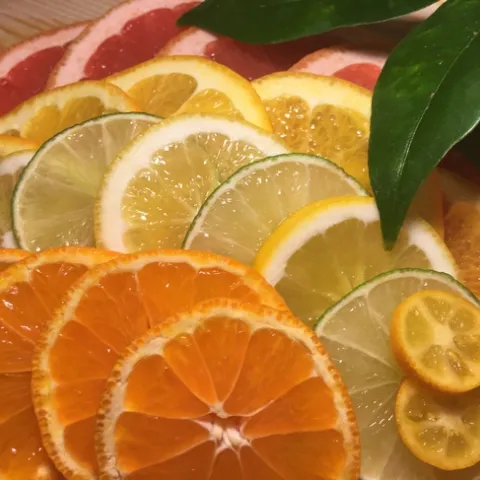
Citrus By Carol Michael UCCE Master Food Preserver It's raining satsuma mandarins and lemons in my neighborhood. What can I do beyond making juice and eating them fresh? Tim C.
View Article
Central Sierra Livestock & Natural Resources: Article

January 2020

January 21, 2020
In this issue: Rainfall and Forage Growth: A Look Back and a Look Ahead Should I Still Vaccinate for Brucellosis?
View Article
Colusa County: Article

Reminder: Colusa Winter Almond Meeting tomorrow

January 21, 2020
Colusa Winter Almond Meeting Granzellas Banquet Hall, Williams, CA 457 7th St, Williams, CA 95987 January 22, 2020 2.0 hours of PCA credits Approved (0.5 hr of Laws & Regs, 1.5 hours Other) 3.0 hours of CCA credits Approved (0.5 hr Nutrient Mgmt, 0.5 hr Soil & Water Mgmt, 2.
View Article
Primary Image
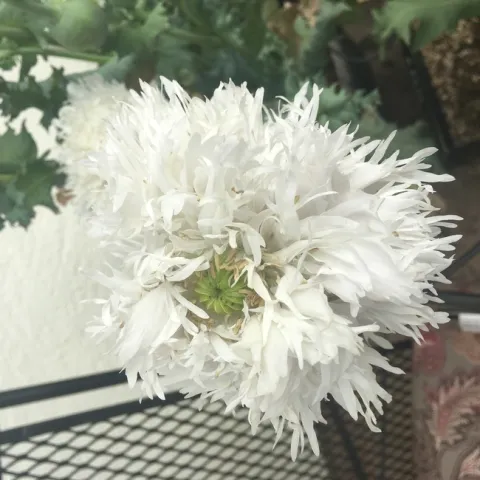
White Swansdown
Under the Solano Sun: Article

Oriental Poppies

January 21, 2020
Oriental Poppies (Papaver orientale) Now is the time to start your Oriental poppy plants. Oriental Poppies come in a variety of colors. The paper-like petals are almost translucent and are very soft to the touch. The blooms only last a day or two. Be sure to deadhead the flowers.
View Article
Primary Image
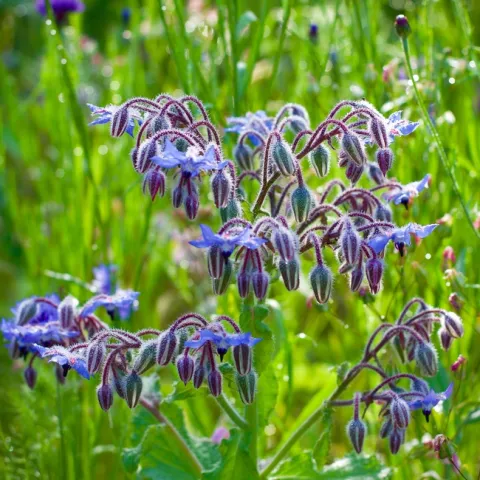
Borage in the wild. Photo: Lucy Kral
The Backyard Gardener: Article

Magical Marvelous Borage

January 21, 2020
Well, it is that time again. The holidays are over so I can spend dreamy nights curled up on the couch with the seed catalogues and sunny winter days digging in the garden beds.
View Article
Primary Image
jim downer
Topics in Subtropics: Article

A Sabbatical

January 21, 2020
By Ben A Faber
Jim Downer is an Advisor who has worked extensively on tree - avocado especially - pathology. His title econpases Pathology of landscape ornamentals , Phytophthora Root Rot, Mulches, Potting soils, Palm horticulture, "climate ready" trees, arboriculture, Master Gardener Advisor.
View Article
Primary Image
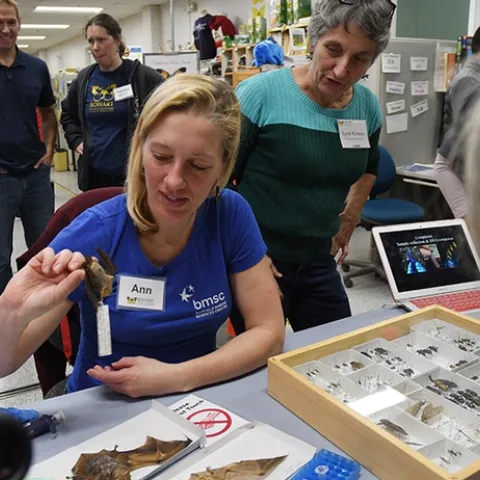
Doctoral student Ann Holmes holds up a bat specimen. Next to her is Lynn Kimsey, director of the Bohart Museum and professor of entomology at UC Davis. (Photo by Kathy Keatley Garvey)
Bug Squad: Article

Bohart Museum Open House: A Science of a Day

January 20, 2020
By Kathy Keatley Garvey
It was a "Science of a Day" at the UC Davis Bohart Museum of Entomology open house last Saturday afternoon, Jan. 18. For three hours, six UC Davis doctoral students discussed their research and fielded questions from the 270-plus guests, ranging from pre-kindergarten students to senior citizens.
View Article