A Natural Solution for California's Herds: African Catfish Peptides

California's cattle producers and agricultural communities are all too familiar with the rising challenge of antibiotic resistance, making common bacterial infections harder to treat in livestock. But imagine a future where we could tackle these infections with a natural, powerful alternative. Our research points to just that: antimicrobial peptides (AMPs) found in African catfish.

We're really excited about these peptides because African catfish thrive in pathogen-rich freshwater, naturally producing these robust immune compounds in their skin mucus as a defense. This natural origin makes them highly appealing alternatives to synthetic drugs.

Predicted Safety and Potent Action

One of the most compelling aspects of these AMPs is their predicted safety for mammals. Our initial computer analyses suggest that various catfish AMPs are generally recognized as safe (GRAS). We predict they'll be absorbed in the human intestine without causing liver, brain, or heart toxicity. Furthermore, lab tests on a promising peptide, NACAP-II, confirmed it was non-hemolytic, meaning it didn't damage rabbit red blood cells—a strong indicator of its potential safety for mammalian cells.

Beyond safety, these peptides demonstrate effectiveness against problematic bacteria. One study revealed NACAP-II's strong activity against Extended-Spectrum Beta-Lactamase (ESBL)-producing Escherichia coli—a critical concern for both animal and human health due to its resistance to many common antibiotics. Another peptide, ACAP-IV, also showed antibacterial activity against E. coli and Staphylococcus aureus. We believe these AMPs work by directly disrupting bacterial cell membranes, a mechanism that makes it harder for bacteria to develop resistance compared to how they resist traditional antibiotics.
Primary Image
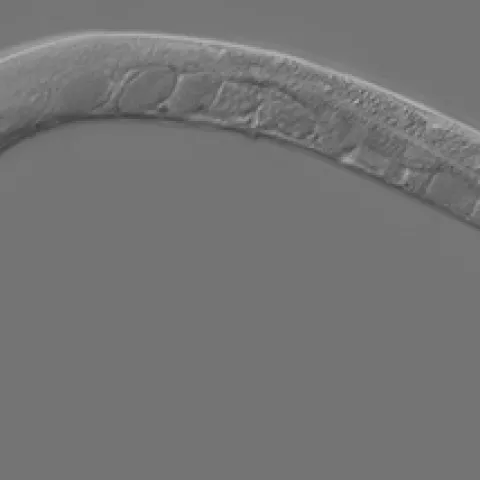
This is an adult Caenorhabditis elegans, one of the nematodes that Sebastian Eves-van den Akker studies. (Courtesy of Wikipedia)
Bug Squad: Article

Cambridge Scientist to Speak on Plant-Nematode Parasitism

January 16, 2020
By Kathy Keatley Garvey
When you think about global food security, you may not immediately think of plant-parasitic nematodes. But you should. They are a major threat to global food security, says Sebastian Eves-van den Akker of the Department of Plant Sciences, University of Cambridge, UK.
View Article
ANR Contracts & Grants Updates: Article

USDA NRCS Requests Applications for the FY 20 Conservation Collaboration Grants or Agreements Due 2/7/2020

January 16, 2020
By Kathleen P Nolan
Dear Colleagues, USDA Natural Resources Conservation Service (NRCS) is announcing the potential availability of grants and agreements for the purpose of addressing local natural resource issues, encouraging collaboration, and developing state- and community-level conservation leadership for historic...
View Article
Primary Image
A group of freshly graduated UC Master Gardener volunteers in three rows holding up their certificates of completion.
UC Master Gardener Program Statewide Blog: Article

Celebrating 40 Years in California!

January 16, 2020
By Lauren L Snowden, Melissa G Womack
When David Gibby founded the very first master gardener program in 1973, he had no way of knowing the tremendous impact master gardener volunteers would make around the world.
View Article
Primary Image
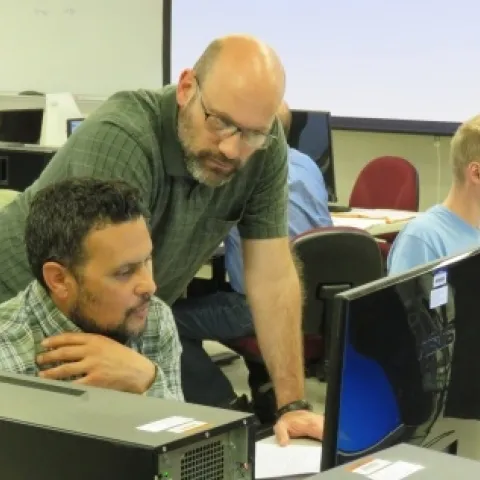
Shane Feirer helps a participant at Forest GIS workshop in Santa Rosa, March 2019
IGIS: Article

IGIS 2019 Year-in-Review Part II. Impact on UC ANR's Public Value Statements

January 16, 2020
By Shane T Feirer, Sean D Hogan, Andy Lyons, Maggi Kelly, Robert Johnson
This is the second of a two part series on IGIS impacts in 2019. See also: IGIS 2019 Year in Review Part I. Impact on UCANR's Strategic Goals Framework Training and professional development continue to be two of the pillars of our mission.
View Article