A Natural Solution for California's Herds: African Catfish Peptides

California's cattle producers and agricultural communities are all too familiar with the rising challenge of antibiotic resistance, making common bacterial infections harder to treat in livestock. But imagine a future where we could tackle these infections with a natural, powerful alternative. Our research points to just that: antimicrobial peptides (AMPs) found in African catfish.

We're really excited about these peptides because African catfish thrive in pathogen-rich freshwater, naturally producing these robust immune compounds in their skin mucus as a defense. This natural origin makes them highly appealing alternatives to synthetic drugs.

Predicted Safety and Potent Action

One of the most compelling aspects of these AMPs is their predicted safety for mammals. Our initial computer analyses suggest that various catfish AMPs are generally recognized as safe (GRAS). We predict they'll be absorbed in the human intestine without causing liver, brain, or heart toxicity. Furthermore, lab tests on a promising peptide, NACAP-II, confirmed it was non-hemolytic, meaning it didn't damage rabbit red blood cells—a strong indicator of its potential safety for mammalian cells.

Beyond safety, these peptides demonstrate effectiveness against problematic bacteria. One study revealed NACAP-II's strong activity against Extended-Spectrum Beta-Lactamase (ESBL)-producing Escherichia coli—a critical concern for both animal and human health due to its resistance to many common antibiotics. Another peptide, ACAP-IV, also showed antibacterial activity against E. coli and Staphylococcus aureus. We believe these AMPs work by directly disrupting bacterial cell membranes, a mechanism that makes it harder for bacteria to develop resistance compared to how they resist traditional antibiotics.
Primary Image
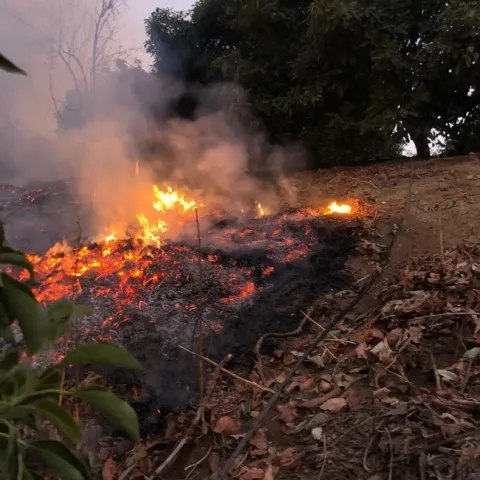
slow burn through orchard
Topics in Subtropics: Article

Avocado Orchards After the Fire

November 8, 2019
By Ben A Faber
The very fact that avocados can be grown in hard to get to places means that the trees are also in areas that are subject to wildfire damage. Recently several hundred acres of avocado burned in the foothills. The fire was fanned by high winds and low humidity.
View Article
HOrT COCO-UC Master Gardener Program of Contra Costa: Article

Need Help to Remove Ants & Aphids from New Raised Vegetable Bed!!

November 8, 2019
Help for the Home Gardener from the Help Desk of the UC Master Gardener Program of Contra Costa County Gardener's Request: Thank you for contacting the UC Master Gardener Program Help Desk about the ant pests in your recently installed raised bed vegetable garden.
View Article
ANR Adventures: Article

Another week flies by

November 7, 2019
By Wendy Powers
The week has flown by. The fall is flying by. It's all good but hard to keep up. Others have made the same comment. I hope this isn't a sign of age. Monday turned out to be one meeting after the next, but all good meetings.
View Article
Primary Image
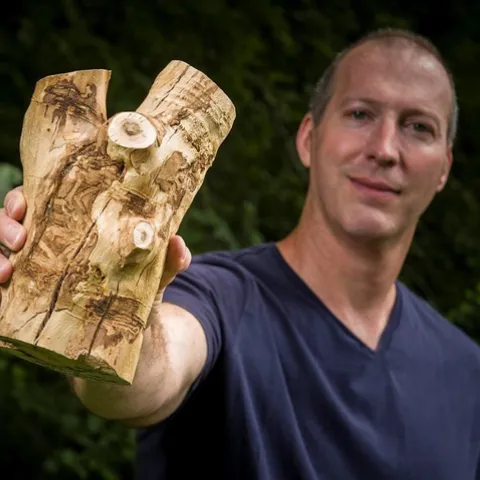
Wright State biology professor Don Cipollini earlier discovered that the emerald green ash borer targets the white fringetree, Chionanthus virginicus, native to the savannas and lowlands of the southeastern United States. Later he and fellow researchers discovered it also infests an olive tree species. (Photo by Chris Snyder)
Bug Squad: Article

The Emerald Ash Borer Doesn't Just Target Ash Trees

November 7, 2019
By Kathy Keatley Garvey
The emerald ash borer, a wood-boring beetle native to northeastern Asia and now invasive in much of the United States, doesn't just target ash trees. The jewel beetle engages in host shifting.
View Article
UC Master Gardeners of San Joaquin County: Article

Fall Master Gardener Newsletter

November 7, 2019
Fall is here even though the weather may feel otherwise during these warm afternoons. In case you missed it, we are sharing our newsletter with you again. Its full of great gardening advice and seasonal tips.
View Article
Primary Image
2019 Value of Working Landscapes cover
ANR News Releases: Article

California’s working landscape generates $333 billion in sales, 1.5 million jobs

November 7, 2019
By Pamela S Kan-Rice
California's working landscape and the industries associated with agriculture and natural resources contribute significantly to the state's economy, according to a new study by the California Community Colleges Centers of Excellence for Labor Market Research, California Economic Summit and the Unive...
View Article
Primary Image
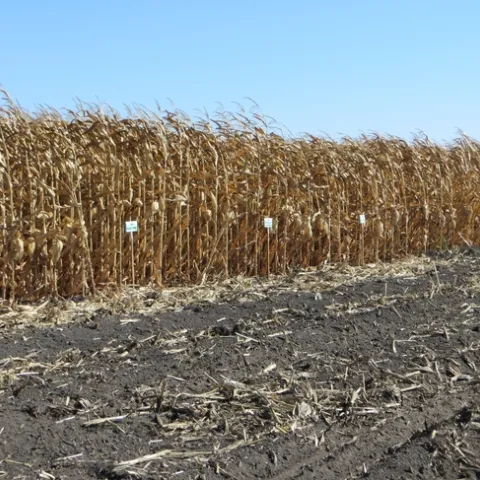
Figure 1. Delta field corn variety trial.
SJC and Delta Field Crops: Article

2019 Field Corn Variety Trial Results

November 7, 2019
By Michelle M Leinfelder-Miles
The results of the 2019 UCCE Delta field corn variety trial (Fig. 1), located on Tyler Island, are presented in Table 1. Three replicate blocks of fourteen varieties were planted on May 7th by air planter.
View Article