A Natural Solution for California's Herds: African Catfish Peptides

California's cattle producers and agricultural communities are all too familiar with the rising challenge of antibiotic resistance, making common bacterial infections harder to treat in livestock. But imagine a future where we could tackle these infections with a natural, powerful alternative. Our research points to just that: antimicrobial peptides (AMPs) found in African catfish.

We're really excited about these peptides because African catfish thrive in pathogen-rich freshwater, naturally producing these robust immune compounds in their skin mucus as a defense. This natural origin makes them highly appealing alternatives to synthetic drugs.

Predicted Safety and Potent Action

One of the most compelling aspects of these AMPs is their predicted safety for mammals. Our initial computer analyses suggest that various catfish AMPs are generally recognized as safe (GRAS). We predict they'll be absorbed in the human intestine without causing liver, brain, or heart toxicity. Furthermore, lab tests on a promising peptide, NACAP-II, confirmed it was non-hemolytic, meaning it didn't damage rabbit red blood cells—a strong indicator of its potential safety for mammalian cells.

Beyond safety, these peptides demonstrate effectiveness against problematic bacteria. One study revealed NACAP-II's strong activity against Extended-Spectrum Beta-Lactamase (ESBL)-producing Escherichia coli—a critical concern for both animal and human health due to its resistance to many common antibiotics. Another peptide, ACAP-IV, also showed antibacterial activity against E. coli and Staphylococcus aureus. We believe these AMPs work by directly disrupting bacterial cell membranes, a mechanism that makes it harder for bacteria to develop resistance compared to how they resist traditional antibiotics.
Primary Image
Photo By Polly Nelson
UC Master Gardeners- Diggin' it in SLO: Article

Orchid Cactus

November 4, 2019
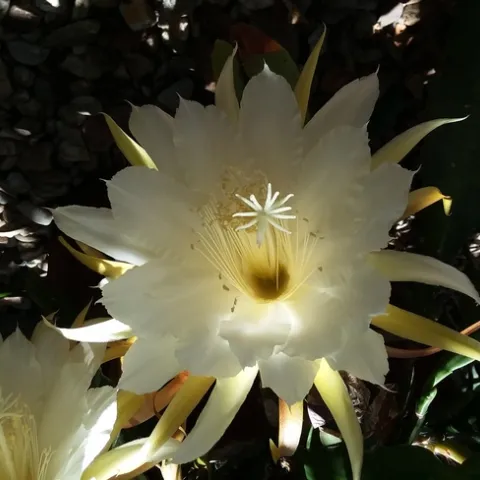
Orchid Cactus by Polly Nelson UCCE Master Gardener Epiphyllum, family Cactaceae Planting area: Sunset 8-9, 14-24 Size: blooms up to 10-inch diameter Bloom Season: Spring-early summer; daytime-blooming flowers Exposure: Partial shade, bright indirect light Pruning needs: Minimal Water needs: Regular...
View Article
Colusa County: Article

Wreath Workshop

November 4, 2019
December 7, 2019, 10 am to noon Colusa County Fairgrounds, Community Building $25 per person Deadline to pay, December 2 Click here to pay.
View Article
Primary Image
lemonade
Topics in Subtropics: Article

Citrus Taste Test

November 4, 2019
By Ben A Faber
Ventura County Master Gardener A blind lemonade and orange juice taste-testing trial was incorporated into a recent citrus grower workshop in Santa Paula. The topic of the meeting was lemon rootstocks and scions and the attendees were for the most part lemon growers.
View Article
ANR Adventures: Article

Distractions lead to interesting finds

November 3, 2019
By Wendy Powers
Some days I am easily sidetracked. I started out reading an article about an upcoming meeting in Sacramento, focused on the state's agricultural future. Dan Sumner is one of the speakers at the conference, as is Erin Fitzgerald, who is someone I worked with in my previous position.
View Article
ANR News Blog: Article

ANR in the news October 16-31

November 1, 2019
By Pamela S Kan-Rice
Strategies for Increasing Ranch Income (AgNetWest) Brian German, Oct. 31 There are multiple approaches that producers can take to help increase ranch income that ranges from improving traditional avenues of revenue to taking a more unconventional approach to the diversification of income.
View Article
Primary Image
This tool shed, not in Napa County, is closed for the winter (Keter)
Napa Master Gardener Column: Article

November in the Garden in Napa County

November 1, 2019
by Denise Seghesio Levine, U.C. Master Gardener of Napa County In other parts of the country, people focus on inside tasks in November. Garden tools are already oiled and hung for the winter; bulbs are dug and cellared.
View Article
Primary Image
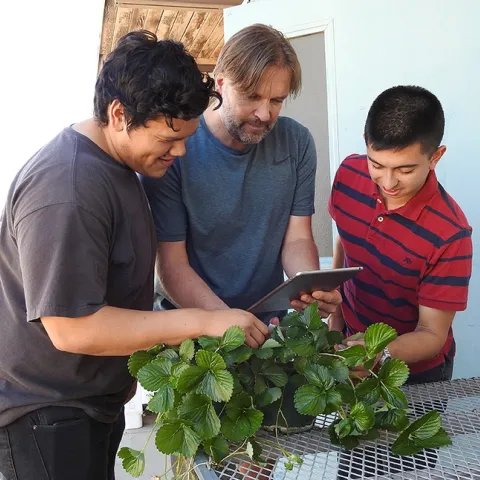
Checking out data are (from left) The Smart Spray team: computer scientist Gabriel Del Villar; agricultural entomologist Christian Nansen and computer scientist/student Alexander Recalde. (Photo by Kathy Keatley Garvey)
Entomology & Nematology News: Article

UC Davis Agricultural Entomologist and Computer Students Develop an App for Strawberry Growers

November 1, 2019
By Kathy Keatley Garvey
Strawberry growers now have a free smart phone application tool to predict spray coverage to combat such pests as two-spotted spider mites, lygus bugs and leafrollers, thanks to a three-year collaborative project involving UC Davis agricultural entomologist Christian Nansen and several UC Davis comp...
View Article