A Natural Solution for California's Herds: African Catfish Peptides

California's cattle producers and agricultural communities are all too familiar with the rising challenge of antibiotic resistance, making common bacterial infections harder to treat in livestock. But imagine a future where we could tackle these infections with a natural, powerful alternative. Our research points to just that: antimicrobial peptides (AMPs) found in African catfish.

We're really excited about these peptides because African catfish thrive in pathogen-rich freshwater, naturally producing these robust immune compounds in their skin mucus as a defense. This natural origin makes them highly appealing alternatives to synthetic drugs.

Predicted Safety and Potent Action

One of the most compelling aspects of these AMPs is their predicted safety for mammals. Our initial computer analyses suggest that various catfish AMPs are generally recognized as safe (GRAS). We predict they'll be absorbed in the human intestine without causing liver, brain, or heart toxicity. Furthermore, lab tests on a promising peptide, NACAP-II, confirmed it was non-hemolytic, meaning it didn't damage rabbit red blood cells—a strong indicator of its potential safety for mammalian cells.

Beyond safety, these peptides demonstrate effectiveness against problematic bacteria. One study revealed NACAP-II's strong activity against Extended-Spectrum Beta-Lactamase (ESBL)-producing Escherichia coli—a critical concern for both animal and human health due to its resistance to many common antibiotics. Another peptide, ACAP-IV, also showed antibacterial activity against E. coli and Staphylococcus aureus. We believe these AMPs work by directly disrupting bacterial cell membranes, a mechanism that makes it harder for bacteria to develop resistance compared to how they resist traditional antibiotics.
Primary Image
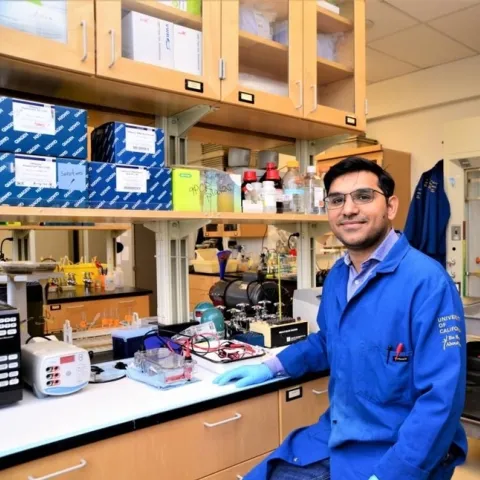
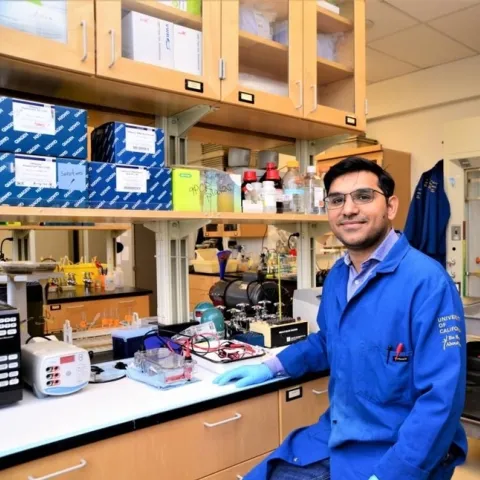
UC Davis plant nematologist Shahid Siddique (Photo by Kathy Keatley Garvey)
Bug Squad: Article

UC Davis-Linked Research on Nematodes Gets Special Recognition

October 24, 2019
By Kathy Keatley Garvey
Nematodes (microscopic, eel-like roundworms) aren't usually a household word but they're featured prominently in the current edition of The Plant Journal. And UC Davis plant nematologist Shahid Siddique, formerly with the University of Bonn, is at the heart of it.
View Article
Mariposa County: Article

November 2019

October 24, 2019
Here is your November 2019 4-H Spirit. Enclosed is information about the 70th Anniversary Dinner on November 2, CDFA rules, Achievement Night information and more!! Remember the 'Field of Service Ceremony' is on Sunday, November 10th at 2p at the Mariposa County History Museum.
View Article
Primary Image
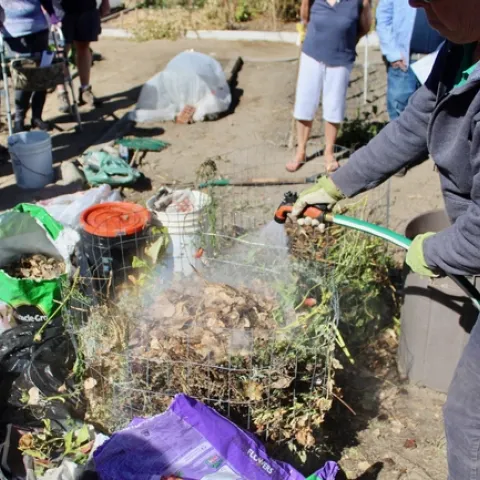
Watering the prepared compost pile
The Backyard Gardener: Article

Composting Workshop

October 24, 2019
On October 6, Inyo-Mono Master Gardener volunteer Laura Mogg presented the latest Sunday Seminar on composting. She explained the benefits and practical details of composting, and provided a handout from UC Cooperative Extension providing further details.
View Article
Primary Image
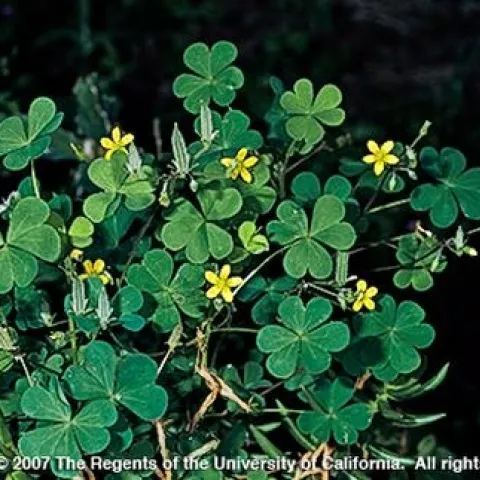
Creeping woodsorrel, <i>Oxalis corniculata</i><br>(Credit: JM DiTomaso)
Pests in the Urban Landscape: Article

Nonchemical Alternatives for Weed Management

October 24, 2019
Weeds in the landscape can be tough to manage. But there are many options for weed management using an integrated approach that combines nonchemical and chemical methods. Start by identifying the weeds you want to manage.
View Article
Healthy Central Sierra: Article

New & Noteworthy this October

October 24, 2019
Here's a round-up of nutrition news, information, and events from the past month that I found interesting. Note that any particular research finding is only one part of a large and complicated picture of a healthy diet.
View Article
Primary Image
AteLocalSticker
Healthy Central Sierra: Article

Farm to Camino Elementary

October 24, 2019
By Miranda Capriotti and Katie Johnson SUMMARY During the 20182019 school year, UCCE CalFresh Healthy Living Nutrition Educators and El Dorado County farms partnered to bring local produce to Harvest of the Month tastings with kindergarten through 5th grade students at Camino Elementary School.
View Article
Primary Image
F2SM Save the Date
Healthy Central Sierra: Article

Celebrate Farm to School Month

October 24, 2019
From the National Farm to School Network: "October is National Farm to School Month, a time to celebrate connections happening all over the country between schools, food and local farmers! Farm to school enriches the connection communities have with fresh, healthy food and local food producers by en...
View Article
Primary Image
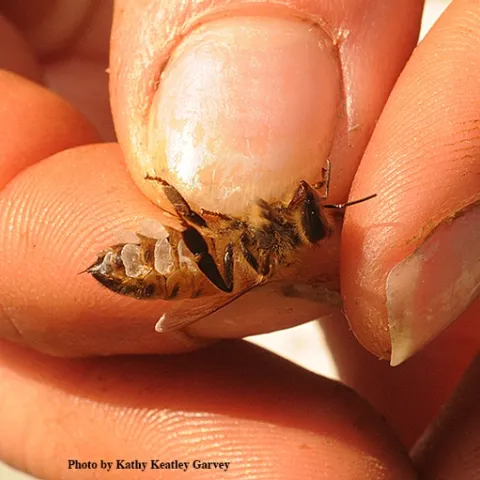
A worker bee with eight wax-producing glands in the abdominal segments. (Photo by Kathy Keatley Garvey)
Entomology & Nematology News: Article

UC Davis Class on Dec. 7: Wax Working, Honey and Hive Products

October 24, 2019
By Kathy Keatley Garvey
Those enrolling in the Wax Working, Honey and Hive Products, a first-of-its-kind class offered by the Elina Nio lab at the University of California, Davis, will learn how wax is made, how to collect it, how to process it, and how to make their own wax products such as candles and wax reusable food w...
View Article

Where Does the Name Fuchsia Come From?

October 24, 2019
It's quite interesting how certain plant geneses received their names; did the person discovering said plant in the wilds gives it their own name? Was the plant family named after a colleague or a friend or, perhaps, even after a loved one?
View Article