A Natural Solution for California's Herds: African Catfish Peptides

California's cattle producers and agricultural communities are all too familiar with the rising challenge of antibiotic resistance, making common bacterial infections harder to treat in livestock. But imagine a future where we could tackle these infections with a natural, powerful alternative. Our research points to just that: antimicrobial peptides (AMPs) found in African catfish.

We're really excited about these peptides because African catfish thrive in pathogen-rich freshwater, naturally producing these robust immune compounds in their skin mucus as a defense. This natural origin makes them highly appealing alternatives to synthetic drugs.

Predicted Safety and Potent Action

One of the most compelling aspects of these AMPs is their predicted safety for mammals. Our initial computer analyses suggest that various catfish AMPs are generally recognized as safe (GRAS). We predict they'll be absorbed in the human intestine without causing liver, brain, or heart toxicity. Furthermore, lab tests on a promising peptide, NACAP-II, confirmed it was non-hemolytic, meaning it didn't damage rabbit red blood cells—a strong indicator of its potential safety for mammalian cells.

Beyond safety, these peptides demonstrate effectiveness against problematic bacteria. One study revealed NACAP-II's strong activity against Extended-Spectrum Beta-Lactamase (ESBL)-producing Escherichia coli—a critical concern for both animal and human health due to its resistance to many common antibiotics. Another peptide, ACAP-IV, also showed antibacterial activity against E. coli and Staphylococcus aureus. We believe these AMPs work by directly disrupting bacterial cell membranes, a mechanism that makes it harder for bacteria to develop resistance compared to how they resist traditional antibiotics.
Primary Image
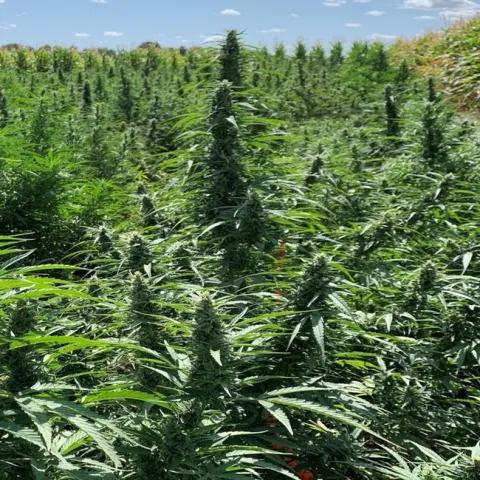
Hemp growing in breeding plots at UC ANR's West Side Research and Extension Center in Five Points in September 2019.
Green Blog: Article

Early UC hemp research already yielding results

October 29, 2019
By Jeannette Warnert
For the first time ever, UC Agriculture and Natural Resources (UC ANR) researchers harvested an industrial hemp crop at one of its nine research and extension centers this fall. It's an interesting crop, said UC Cooperative Extension specialist Bob Hutmacher.
View Article
Primary Image
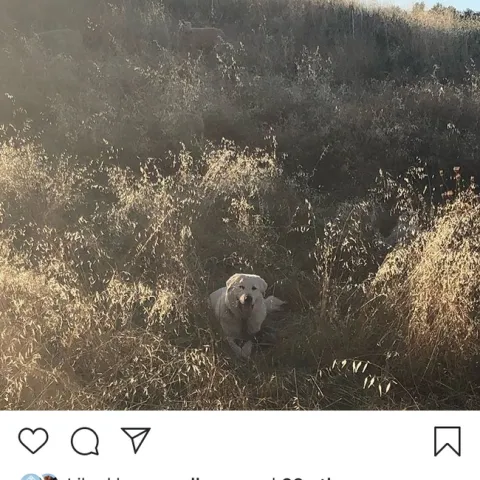
Dan Macon uses Instagram to tell people about his livestock guardian dog research.
ANR Employee News: Article

Instagram Tips and Tricks Nov. 13

October 29, 2019
By Pamela S Kan-Rice
Join UC Cooperative Extension advisors Rose Hayden-Smith and Dan Macon at 11:30 a.m. 12:30 p.m., Wednesday, Nov. 13, to learn how they use Instagram for outreach. Instagram is a photo and video-sharing social networking service. "It's an ideal place to share your ANR story,"Hayden-Smith says.
View Article
Primary Image
57237 original
Nuestra Comunidad: Article

Day of the Dead – more than a colorful sugar skull

October 29, 2019
By Ricardo A Vela
Many of us in the US have seen or heard something about the Mexican celebration El Dia de Los Muertos (Day of the Dead), whether it's a reference in a horror movie or a community fair where children get their faces painted as colorful skulls.
View Article
Primary Image
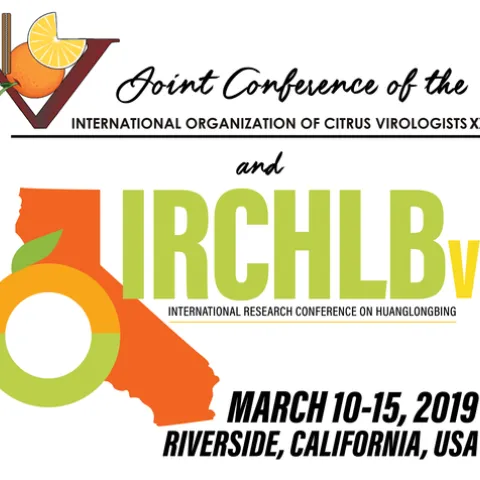
IRCHLB logo
Topics in Subtropics: Article

Read All About Citrus Diseases

October 29, 2019
By Ben A Faber
For Those who could not be there Joint Conference of the IOCV XXI and IRCHLB VI Abstracts NOW Available Online Abstracts presented at the Joint 21st Conference of the International Organization of Citrus Virologists (IOCV) and the 6th International Research Conference on Huanglongbing (IRCHLB), in R...
View Article
Primary Image
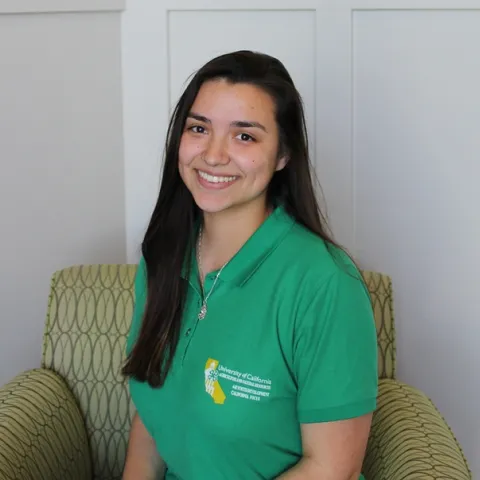
2018-19 4-H State Ambassador, Maura
California 4-H Grown: Article

Sharing the Youth Perspective on Adolescent Mental Health

October 28, 2019
By Suzanne Morikawa
Hello, my name is Maura Sparrevohn, and I was a California 4-H State Ambassador for the 2018-2019 program year. This last April, I was selected to attend the National 4-H Conference in Washington D.C.
View Article
Primary Image
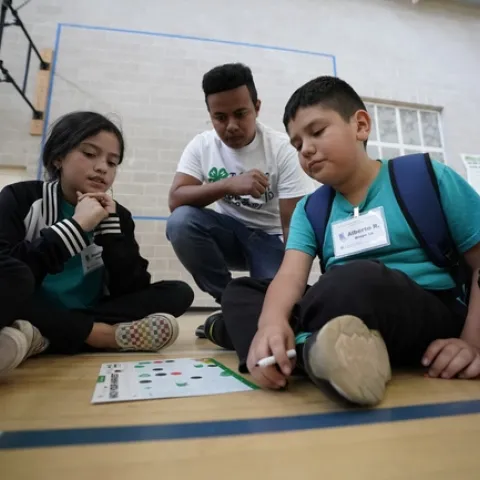
4-H Teen Teacher helping students complete the Hack Your Harvest activity.
California 4-H Grown: Article

4-H National Youth Science Day Grows in Santa Clara County

October 28, 2019
By Suzanne Morikawa
To celebrate the National Youth Science Day (NYSD) challenge in October, the 4-H Youth Development Program in Santa Clara County offered two peer teaching NYSD events, where teens taught younger youth physical activities and puzzles from Game Changers, a computational thinking curriculum created by...
View Article
Primary Image
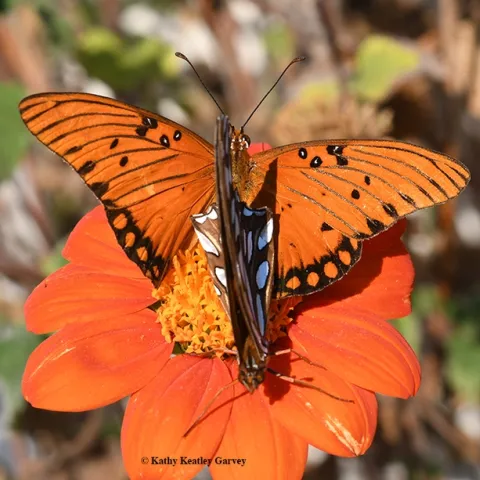
Two Gulf Fritillaries meet on a Mexican sunflower, Tithonia rotundifolia. (Photo by Kathy Keatley Garvey)
Bug Squad: Article

Why Love Is Like a Butterfly

October 28, 2019
By Kathy Keatley Garvey
Love is like a butterfly A rare and gentle thing --Love Is Like a Butterfly, Dolly Parton When Dolly Parton penned her song, "Love Is Like a Butterfly," she probably wasn't thinking of passion butterflies, Gulf Fritillaries.
View Article
Primary Image
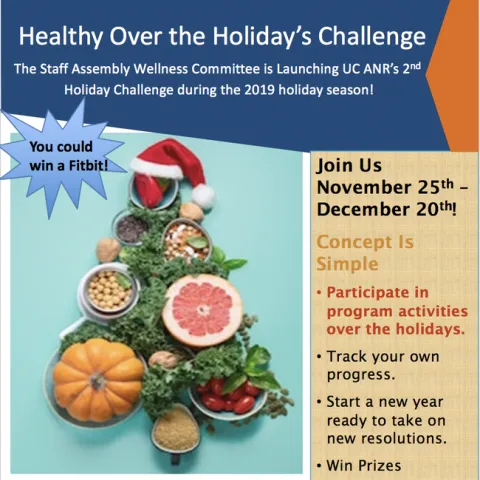
Healthy holidays challenge
ANR Employee News: Article

Healthy Over the Holidays begins Nov. 25

October 28, 2019
By Pamela S Kan-Rice
Dust off your holiday hats and bring your holiday cheer because Healthy Over the Holidays begins Nov. 25! Join UC ANR Staff Wellness Committee in this four-week program and end your year on a wellness high note.
View Article
Primary Image
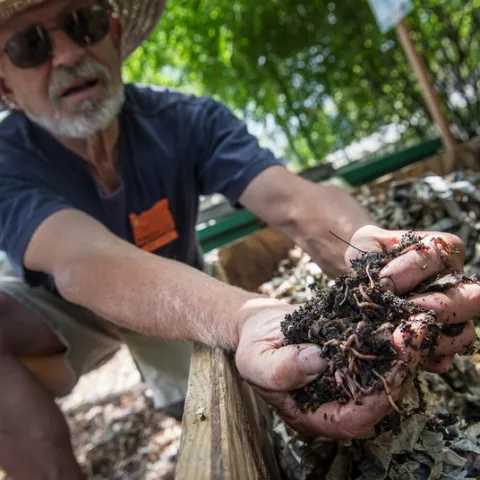
Vermicomposting. (Lynn Ketchum)
The Stanislaus Sprout: Article

Free Vermicomposting Class Nov. 14, 2019

October 28, 2019
By Anne E Schellman
Question: Can you name a fun way to compost some of your kitchen scraps? Answer: Vermicomposting, using worms to eat your "garbage!" Vermicomposting is the process of keeping red wriggler worms in a hotel where they eat food scraps and other organic materials like paper and cardboard.
View Article