A Natural Solution for California's Herds: African Catfish Peptides

California's cattle producers and agricultural communities are all too familiar with the rising challenge of antibiotic resistance, making common bacterial infections harder to treat in livestock. But imagine a future where we could tackle these infections with a natural, powerful alternative. Our research points to just that: antimicrobial peptides (AMPs) found in African catfish.

We're really excited about these peptides because African catfish thrive in pathogen-rich freshwater, naturally producing these robust immune compounds in their skin mucus as a defense. This natural origin makes them highly appealing alternatives to synthetic drugs.

Predicted Safety and Potent Action

One of the most compelling aspects of these AMPs is their predicted safety for mammals. Our initial computer analyses suggest that various catfish AMPs are generally recognized as safe (GRAS). We predict they'll be absorbed in the human intestine without causing liver, brain, or heart toxicity. Furthermore, lab tests on a promising peptide, NACAP-II, confirmed it was non-hemolytic, meaning it didn't damage rabbit red blood cells—a strong indicator of its potential safety for mammalian cells.

Beyond safety, these peptides demonstrate effectiveness against problematic bacteria. One study revealed NACAP-II's strong activity against Extended-Spectrum Beta-Lactamase (ESBL)-producing Escherichia coli—a critical concern for both animal and human health due to its resistance to many common antibiotics. Another peptide, ACAP-IV, also showed antibacterial activity against E. coli and Staphylococcus aureus. We believe these AMPs work by directly disrupting bacterial cell membranes, a mechanism that makes it harder for bacteria to develop resistance compared to how they resist traditional antibiotics.
Primary Image
allergy free gardening
Under the Solano Sun: Article

Allergy Gardening 2

August 27, 2019
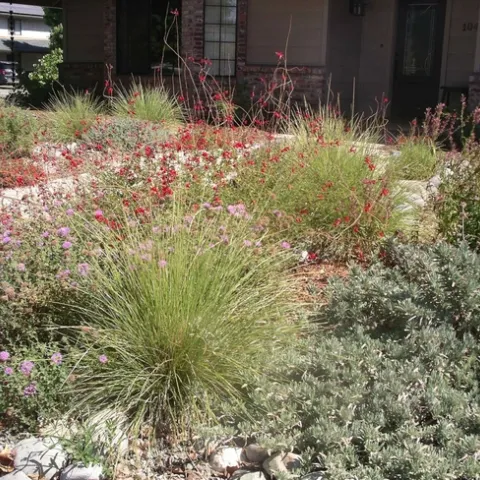
A lot of us have allergies. I seem to have allergies most of the year. So, it does make gardening a challenge at times when my eyes are watery, nose running and sneezing. But as gardeners, we continue to garden. There is a book written by Thomas Leo Ogren titled Allergy-Free Gardening.
View Article
Livestock, Range and Natural Resources: Article

Verano 2019 - Extra

August 27, 2019
Marque la fecha! Reunin de Fuego Prescrito planeada para los 5-6 de noviembre en Shaver Lake. Mire el boletn para detalles. Registro todava no est abierto, pero estar disponible en http://ucanr.edu/2019rxworkshops despus de que est abierto.
View Article
Livestock, Range and Natural Resources: Article

Verano 2019

August 27, 2019
En este nmero breve: Foco econmico: Estudio de costos Nuevos ingresos para granjas o ranchos Comercializacin directa: el aspecto econmico...
View Article
Livestock, Range and Natural Resources: Article

Summer 2019 Supplement

August 27, 2019
Save the date! Prescribed Fire Workshop planned for November 5-6 at Shaver Lake. See the flyer for details. Registration is not open yet, but will be available at http://ucanr.edu/2019rxworkshops once open. New job opening: Prescribed Fire Educator, based in Mariposa.
View Article
Kern County: Article

Kern UCCE/DWR Weekly Crop Water Use Report 08-26-2019

August 27, 2019
Please see below link to access "How To Use Weekly Crop Water Use (ET) Reports to Assist Farm Water Management" How To Use Weekly Crop Water Use Report Please see below link to access "Weekly ET Report 08-26-2019" ET Report 08-26-2019 Please see disclaimer link below: University of California Divisi...
View Article
Livestock & Range: Article

Looking for Targeted Grazers

August 27, 2019
By Devii R Rao
Stephanie Larson, Livestock and Range Management Advisor in Sonoma County is making a comprehensive list of people who do targeted grazing. Below is an email Stephanie recently sent out...
View Article