A Natural Solution for California's Herds: African Catfish Peptides

California's cattle producers and agricultural communities are all too familiar with the rising challenge of antibiotic resistance, making common bacterial infections harder to treat in livestock. But imagine a future where we could tackle these infections with a natural, powerful alternative. Our research points to just that: antimicrobial peptides (AMPs) found in African catfish.

We're really excited about these peptides because African catfish thrive in pathogen-rich freshwater, naturally producing these robust immune compounds in their skin mucus as a defense. This natural origin makes them highly appealing alternatives to synthetic drugs.

Predicted Safety and Potent Action

One of the most compelling aspects of these AMPs is their predicted safety for mammals. Our initial computer analyses suggest that various catfish AMPs are generally recognized as safe (GRAS). We predict they'll be absorbed in the human intestine without causing liver, brain, or heart toxicity. Furthermore, lab tests on a promising peptide, NACAP-II, confirmed it was non-hemolytic, meaning it didn't damage rabbit red blood cells—a strong indicator of its potential safety for mammalian cells.

Beyond safety, these peptides demonstrate effectiveness against problematic bacteria. One study revealed NACAP-II's strong activity against Extended-Spectrum Beta-Lactamase (ESBL)-producing Escherichia coli—a critical concern for both animal and human health due to its resistance to many common antibiotics. Another peptide, ACAP-IV, also showed antibacterial activity against E. coli and Staphylococcus aureus. We believe these AMPs work by directly disrupting bacterial cell membranes, a mechanism that makes it harder for bacteria to develop resistance compared to how they resist traditional antibiotics.
Primary Image
Photo by Jutta Thoerner

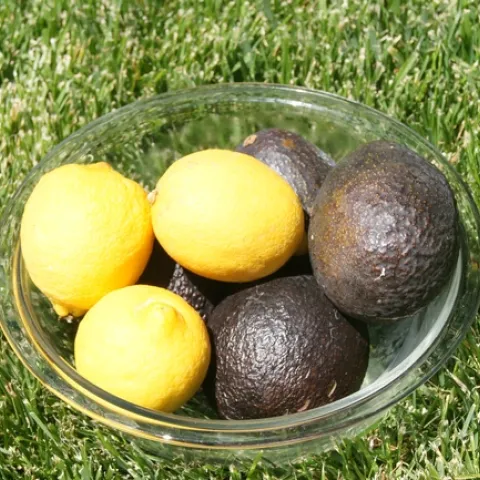
Growing Tropicals

August 15, 2019
Tropicals By Jutta Thoerner UCCE Master Gardner Can I grow Tropical Fruit in SLO County? Maria E., Los Osos Yes, you can.
View Article
Primary Image
Adult pocket gopher peeking out of a burrow entrance. [Credit: T. Chalmers]
Pests in the Urban Landscape: Article

Got Gophers?

August 14, 2019
By Karey Windbiel-Rojas
Gophers are well-known and certainly unwelcome pests in landscapes, gardens, lawns, and athletic turf. More correctly called pocket gophers, these rodents mostly remain hidden underground in tunnels and feed on plants from below, sometimes pulling whole plants into their tunnels.
View Article
Primary Image
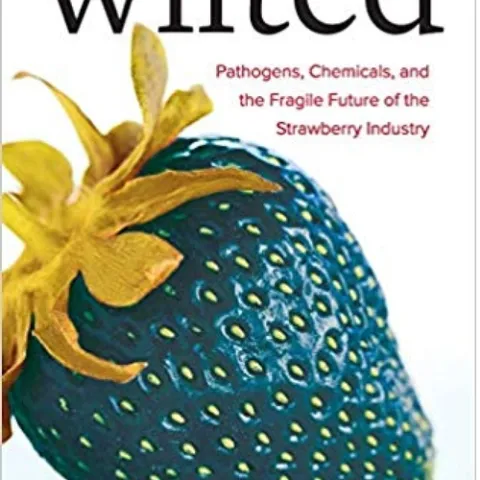
wilted
Strawberries and Caneberries: Article

New Book About the California Strawberry Industry

August 14, 2019
By Mark P Bolda
And this one is sure to make a splash. Just bought it on Amazon, and I'll set aside my current read (Plato's Gorgias) to wade into this one. It's supposed to arrive on Friday, so I can start into it already this weekend.
View Article
Primary Image
ucnetwork web button 300px
ANR Employee News: Article

UCnetwork welcomes staff

August 14, 2019
By Pamela S Kan-Rice
UCnetwork a monthly email newsletter is being sent directly to staff across the system to share benefits news, professional development opportunities and inspiring stories about colleagues who are making a difference.
View Article
Cooperative Extension, Sutter-Yuba Counties: Article

Rice Weed Course 2019

August 14, 2019
Friday, September 6, 2019 8:00am - 4:10pm (Registration begins at 7:30am) Hamilton Road Field (on West Hamilton Rd. between Hwy 99 & Riceton Hwy) and Rice Experiment Station, Biggs, CA The course will include a hands-on weed identification session on emerging and mature weeds.
View Article
Livestock & Range: Article

Ranching for Profit Workshop - September 25

August 14, 2019
By Devii R Rao
Come learn how to increase profit on your ranch! Dave Pratt, owner of Ranch Management Consultants, will introduce topics from the Ranching for Profit School that can help you increase effectiveness, reduce stress and create business success. Additional speakers will include Pam Krone and Devii Rao.
View Article