A Natural Solution for California's Herds: African Catfish Peptides

California's cattle producers and agricultural communities are all too familiar with the rising challenge of antibiotic resistance, making common bacterial infections harder to treat in livestock. But imagine a future where we could tackle these infections with a natural, powerful alternative. Our research points to just that: antimicrobial peptides (AMPs) found in African catfish.

We're really excited about these peptides because African catfish thrive in pathogen-rich freshwater, naturally producing these robust immune compounds in their skin mucus as a defense. This natural origin makes them highly appealing alternatives to synthetic drugs.

Predicted Safety and Potent Action

One of the most compelling aspects of these AMPs is their predicted safety for mammals. Our initial computer analyses suggest that various catfish AMPs are generally recognized as safe (GRAS). We predict they'll be absorbed in the human intestine without causing liver, brain, or heart toxicity. Furthermore, lab tests on a promising peptide, NACAP-II, confirmed it was non-hemolytic, meaning it didn't damage rabbit red blood cells—a strong indicator of its potential safety for mammalian cells.

Beyond safety, these peptides demonstrate effectiveness against problematic bacteria. One study revealed NACAP-II's strong activity against Extended-Spectrum Beta-Lactamase (ESBL)-producing Escherichia coli—a critical concern for both animal and human health due to its resistance to many common antibiotics. Another peptide, ACAP-IV, also showed antibacterial activity against E. coli and Staphylococcus aureus. We believe these AMPs work by directly disrupting bacterial cell membranes, a mechanism that makes it harder for bacteria to develop resistance compared to how they resist traditional antibiotics.
Primary Image
calendula
UC Marin Master Gardeners: Document

Calendula

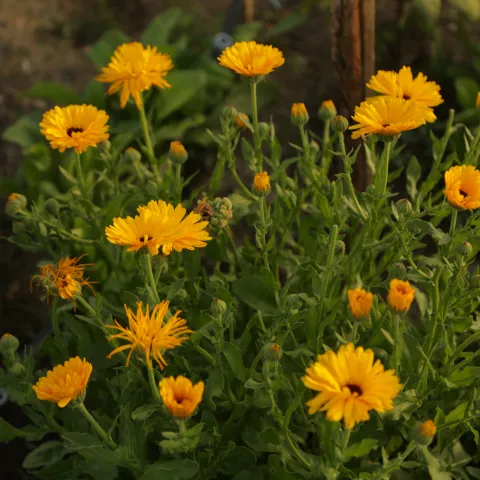
 Scientific Name Calendula officinalis General Information Calendula is beautiful, easy to grow, and deer resistant. Both leaves and petals are edible and have a peppery, tangy taste. Its yellow, orange, and gold flowers close in the dark and in wet weather but bloom through fall and into early winter…
View Document
Primary Image
chamomile
UC Marin Master Gardeners: Document

Chamomile

 Scientific Name Matricaria recutita General Information Chamomile, also called German chamomile, is a self-seeding annual that grows 2 feet tall. It has fragrant foliage and attractive flowers that attract bees, butterflies, and other beneficial insects. The flowers have a pineapple flavor and are…
View Document
Primary Image
chervil
UC Marin Master Gardeners: Document

Chervil

 Scientific Name Anthriscus cerefolium General Information Chervil is an annual herb but in milder areas it can be a biennial. It grows 16 inches tall and a foot wide, an Asian native that has naturalized in much of Europe and the US. The leaves exude a slight anise flavor and contain a volatile oil…
View Document
Primary Image
chives
UC Marin Master Gardeners: Document

Chive

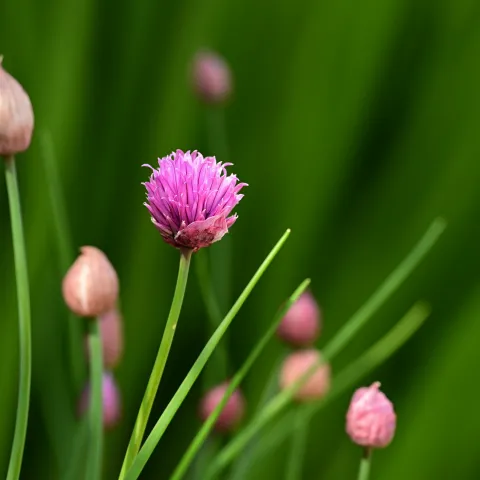
 Scientific Name Allium schoenoprasum General Information Onion chives are easy, flavorful perennial herbs with mild onion flavor. The are related to garlic, leek, and bunching onion. Leaves and flowers are edible. Grown in compact clumps, their tubular leaves rise 12 to 20 inches from small bulbs…
View Document
Primary Image
Cilantro
UC Marin Master Gardeners: Document

Cilantro

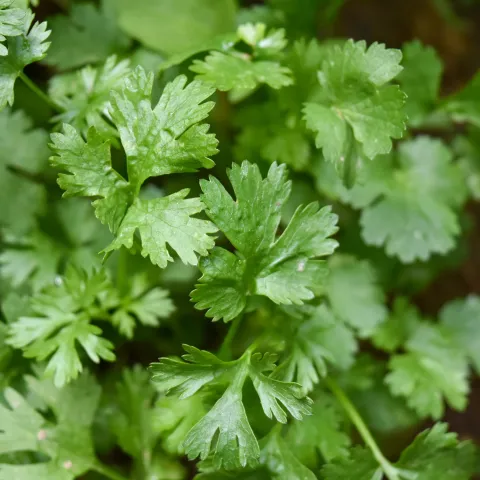
 Scientific Name Coriandrum sativum General Information Cilantro is a cool season annual herb also known as Chinese parsley. The flowers are very attractive to small beneficial insects, including syrphid flies and parasitic wasps. The leaf, flower, root, and seeds are edible. It is used as a garnish in…
View Document
Primary Image
tarragon
UC Marin Master Gardeners: Document

French Tarragon

 Scientific Name Artemisia dracunculus ‘Sativa’ General Information French tarragon is a 2-foot winter dormant, tender perennial that can be difficult to grow. It does not produce flowers and seeds. Therefore, all propagation is by cutting or division. French tarragon’s leaves have an anise-like flavor…
View Document
Primary Image
lavender field
UC Marin Master Gardeners: Document

Lavender

 Scientific Name Lavandula species General Information Lavender is a perennial shrub with fragrant foliage and flowers. It grows 1 to 3 feet tall. Depending on the cultivar, flower colors include purple, blue, pink, or white. Deer avoid lavender.When to Plant Plant in spring after the last frost…
View Document
Primary Image
lemon balm
UC Marin Master Gardeners: Document

Lemon Balm

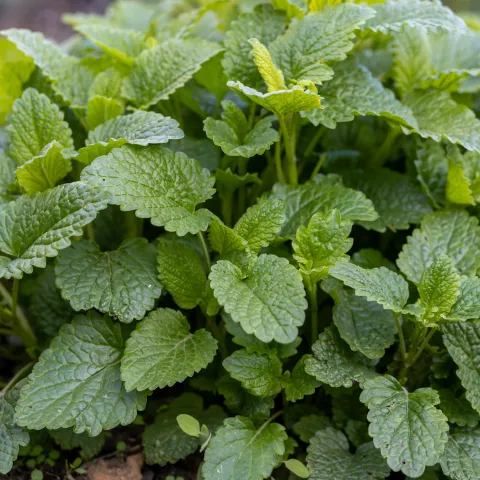
 Scientific Name Melissa officinalis General Information Lemon balm is a fragrant perennial herb that grows 2 to 3 feet tall and is loved by bees. To avoid aggressive spread, pinch-tip stems or grow in a container. Deer avoid lemon balm.When to Plant From seed: Sow seed in spring and early fall…
View Document
Primary Image
lemon verbena
UC Marin Master Gardeners: Document

Lemon Verbena

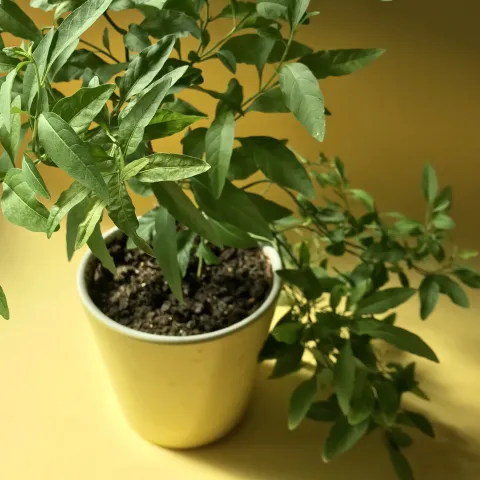
 Scientific Name Aloysia triphylla (Lippia citriodora) General Information Lemon verbena is a popular shrub that grows 15 feet tall in the tropics, usually shorter in northern California. Evergreen in frost-free areas. Foliage is cherished for sweet, fresh, lemony scent. Leaves and flowers are used for…
View Document
Primary Image
lemongrass
UC Marin Master Gardeners: Document

Lemongrass

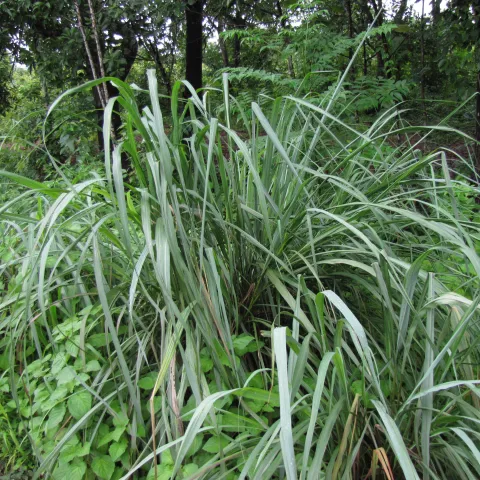
 Scientific Name Cymbopogon citratus General Information Lemongrass is a fast-growing, shallow-rooted herbaceous perennial that grows up to 4 feet tall and 3 feet wide. It must be protected in winter because it is not frost tolerant. Its blue-green leaves turn red in the fall. It produces no flowers…
View Document