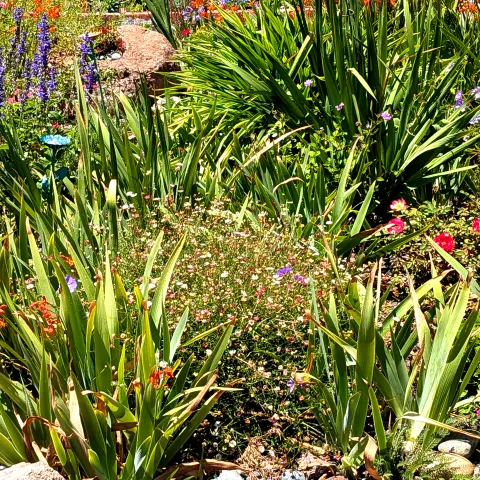
Summer is one of the busiest and most stressful seasons for Alameda County gardens. This practical mid-summer checklist explains how regular, manageable tasks—including efficient irrigation, mulching, harvesting, pest monitoring, light pruning, fruit-tree care, and container maintenance—can keep gardens…
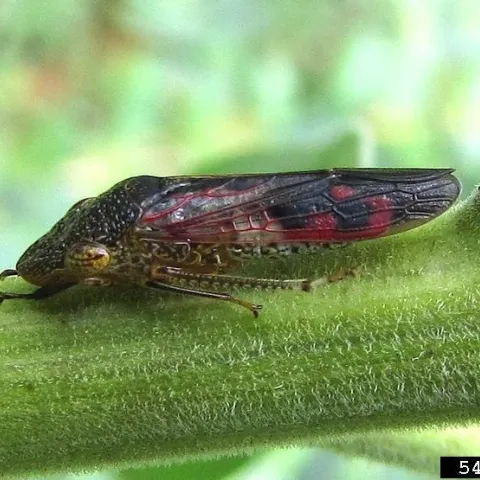
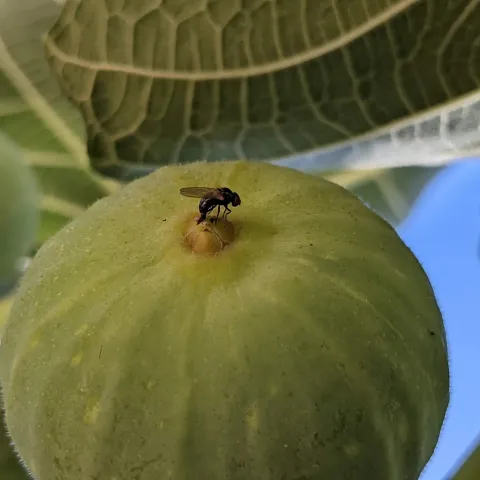
Black fig fly, now in the Bay Area. A new invasive pest, the black fig fly, Silba adipata, has been found in Alameda County. This pest exclusively feeds and reproduces on figs, and California produces almost 100% of the U.S. fig crop. The black fig fly (BFF) causes major fruit drop, a…
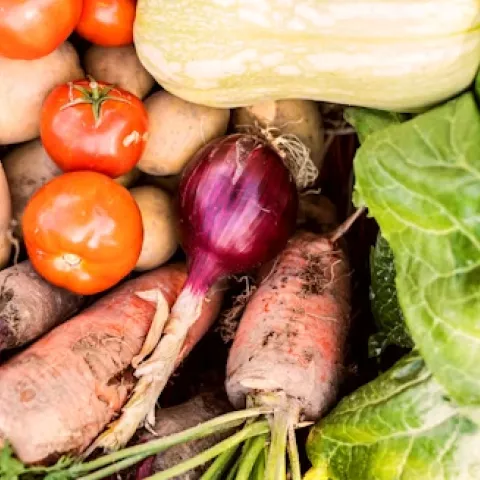
Have you ever harvested a tomato with a crack in the skin, found a few aphids on your kale, had a few holes in your cabbage leaves or dug up a crooked carrot and wondered what went wrong? If so, you're not alone. Many beginning and experienced vegetable gardeners expect homegrown…
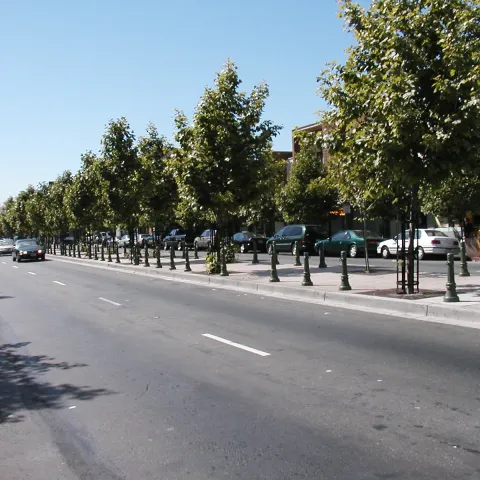
Climate change (which means a long-term change in average temperature, humidity and rainfall patterns) already impacts California, including Alameda County and its landscape trees. This post focuses on climate change and the urban forest, defined for this article as all of the trees and…
Edible flowers bring color, fragrance, and surprising flavors to the kitchen—often from plants already growing in San Francisco Bay Area gardens. Many of these blooms are easy to grow, drought-tolerant once established, and well-suited to our Mediterranean climate. Best of all, they can transform…