Composting Basics Workshop, Palo Alto
Learn the art and science behind composting from a local UC Certified Master Composter. Learn about the importance of managing your organic waste (food scraps and yard trimmings) at home. As the…

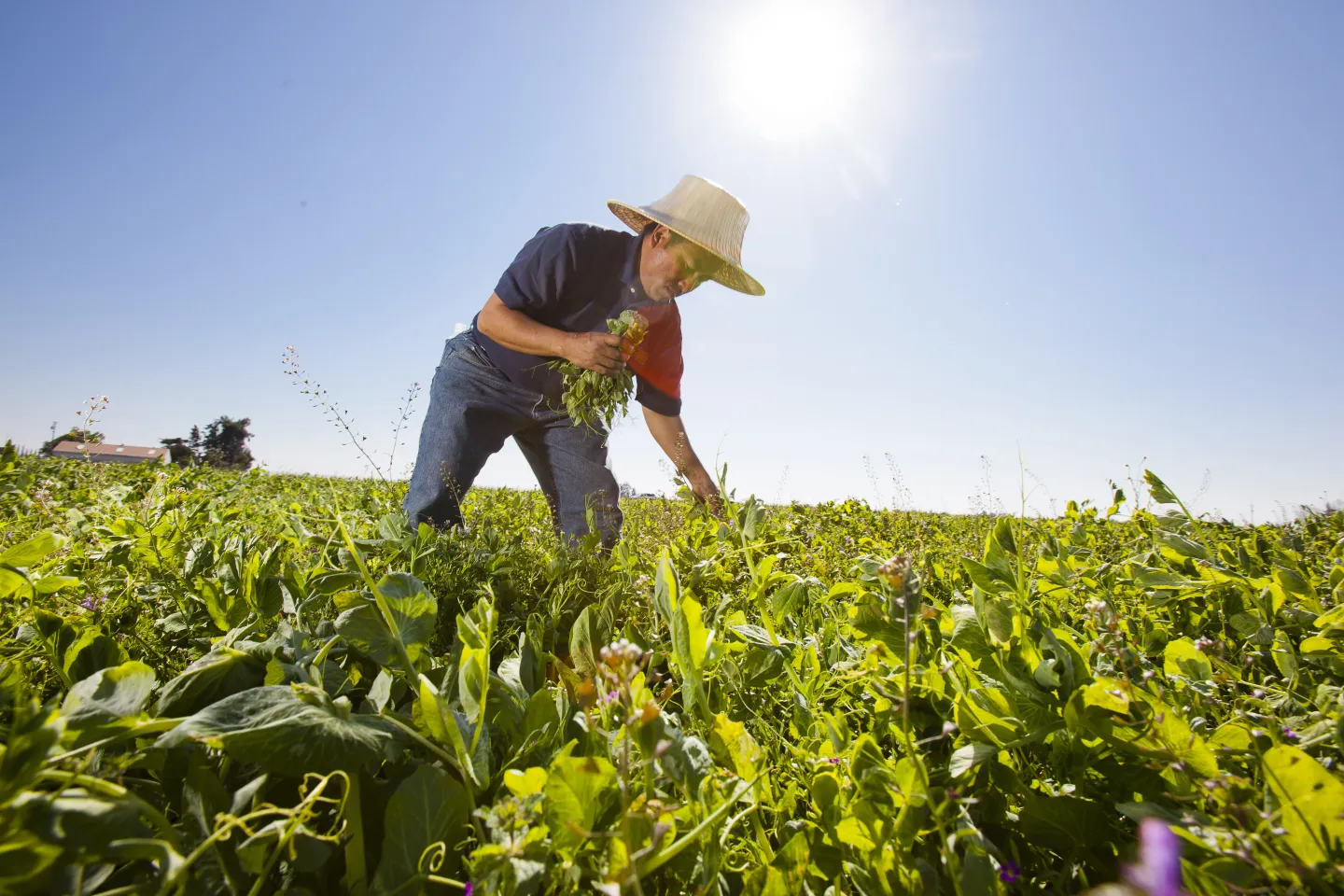
University of California Cooperative Extension (UCCE) is the local link that connects Santa Clara County residents directly to the powerful research, expertise, and information of the UC system. Our local programs deliver science-based solutions and outreach—powered by dedicated volunteers—to address critical local issues in agriculture, natural resources, youth development, and family health.
The work of UC Cooperative Extension in Santa Clara County is guided by the University of California's commitment to improving the lives of all residents, focused on creating: Healthy Food Systems, Healthy Environments, Healthy Communities, and Healthy Californians.
By Carly Deitsch, SGMA Community Educator
UC Small Farms Network
(408) 722-6093, cdeitsch@ucanr.edu
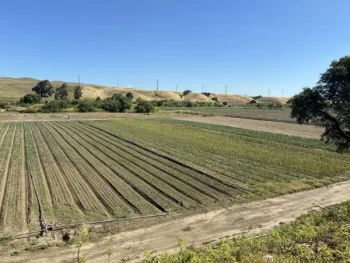
The Sustainable Groundwater Management Act (SGMA) is a California law that passed in 2014, during one of the driest periods in California history. A central pillar of SGMA is the idea that groundwater resources are most effectively managed and protected at the local level by Groundwater Sustainability Agencies (GSAs). These agencies are responsible for developing plans, implementing projects management actions, monitoring groundwater conditions, and working towards the long-term sustainability of their subbasins.
Photo: UCCE Small Farms team visiting with a small-scale farmer in San Benito County to discuss SGMA and low pressure concerns on the lower end of their field
To support these efforts, the UC Small Farms Network received funding from the California Department of Water Resources through the Underrepresented Communities, California Tribes, and Small Farmers Groundwater Technical Assistance Program (URCTA) to provide technical assistance and education outreach to small-scale farmers.
During recent outreach efforts, one grower shared a common concern: “There’s a lot of information given to us, but no one tells us how to use it or apply it. How does that information impact me?” This question highlights an ongoing challenge for small-scale farmers with state regulatory programs. In Santa Clara County, the UC Small Farms Network has a SGMA Community Educator who serves as a resource for small-scale farmers to navigate how groundwater policies and regulations may affect their operations. The SGMA Community Educator can also help connect farmers with technical assistance for groundwater-related challenges, including pump and well issues, low pressure or flow rates, and irrigation concerns.
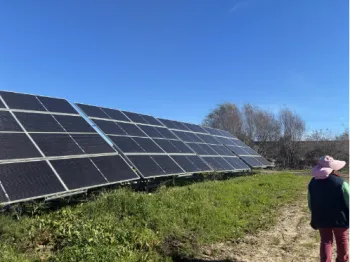
As a groundwater user, one of the most effective ways to stay informed about local groundwater management is through your GSA. In Santa Clara County, Valley Water serves as the GSA managing groundwater in the two primary groundwater subbasins, Llagas Subbasin and Santa Clara Subbasin.
Photo: Small-scale farmer in Pajaro Valley Subbasin with an irrigation system powered by solar energy
If you are interested in learning more about your groundwater, local SGMA regulations, groundwater fees, or seek groundwater technical assistance, please reach out to the UC Small Farms Network. Information regarding groundwater rebate programs and Agricultural Assistance Programs, such as irrigation design and evaluations, is also available through Valley Water’s webpage at https://www.valleywater.org/your-water/groundwater.
For additional technical assistance, the UC Small Farm Network offers multilingual support and resources for an extreme weather relief program (CUSP), integrated pest management, Integrated Lands Regulatory Program (ILRP) reporting, climate-smart agriculture, and food safety-including free E. coli water testing through end of July 2027.
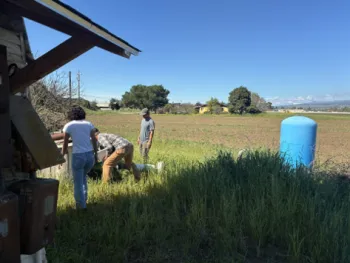
Photo: Field visit with UC Small Farms Network and Valley Water’s Ag Mobile Irrigation Lab under the Agricultural Assistance Program
Explore a sampling of our specialized community initiatives where our advisors and dedicated volunteers are actively making a difference in the county and region.
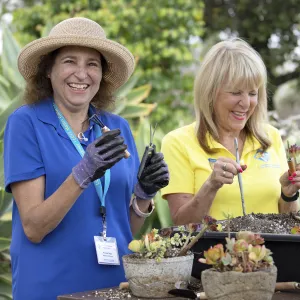
Santa Clara County Master Gardeners are knowledgeable volunteers who have completed extensive training in home horticulture to serve as primary extenders of University of California information. We empower home gardeners with research-based knowledge to help their gardens thrive. Explore more at our Master Gardeners program page.
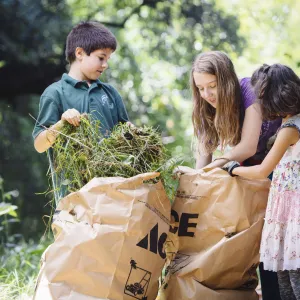
This community-based, volunteer-driven program utilizes trained Master Composters to educate Santa Clara County residents on diverting household organic waste. We provide free classes, school visits, and community events to teach backyard and worm composting. Learn about our Composting Education program.
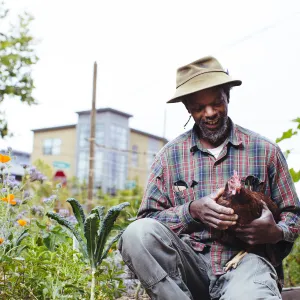
Focused on the challenges and opportunities of California's small-scale farm operators, this program develops field and marketing research aimed at meeting the needs of small and moderate-scale farmers. We provide information and technical assistance often not reached by traditional extension programs. Explore more at our Small Farm Program page.
1553 Berger Dr, Building 1
San Jose, CA 95112
United States
80 Highland Ave., Suite K
San Martin, CA 95046
United States
5283 Snell Ave.
San Jose, CA 95136
United States