
Monthly tips are categorized by To-Dos, What to Plant, or Pests and Diseases. Scroll through the list to see items in each category. Also, refer to our list of tips useful for any month.
To-Dos: November
Autumn Leaves - To Rake or Not to Rake
Bolting Lettuces
Bone Meal for Bulbs?
Broccoli - Multiple Harvests
Burning & Stinging Nettles
Fall Garden Cleanup
Frost Dates
Garden Tools Prep
Growing Vegetables in Containers
Harvest Kiwis
Harvesting Oranges
Harvesting Sweet Potatoes
Inspect Roots When Planting
Leafy Salad Plants
Mulch Bare Soil Before Rains
Paint Fruit Trees to Prevent Sunburn
Peach Leaf Curl Preventive Care
Persimmon Harvesting
Picking Pomegranates Properly
Planting Trees or Shrubs
Poison Oak
Poisonous Plants List
Potting Mix vs Planting Mix
Reusing Soil in Containers
Should You Prep Soil for Planting?
Stinkhorn Mushroom
Winter Soil Health
Pests and Diseases: November
Citrus Bud Mite - Leave It Alone
Citrus Leafminer
Limes
Peach Leaf Curl Preventive Care
Slime Molds
Sooty Mold
Spiders in Your Garden
Termites
White Butterflies and Green Caterpillars
White Mold on Lettuce and Brussels Sprouts
What to Plant: November
California Poppies
Camellias
Forcing Bulbs
Going Native
Native Wildflowers
Onions
Plant Garlic & Shallots
Planting Bulbs
Planting Ornamentals
Autumn Leaves - To Rake or Not to Rake
Fallen autumn leaves from healthy trees can provide valuable mulch, with the return of nutrients to the tree as the leaves slowly decompose. If you don’t like the look, you can add the leaves to the compost pile and later spread the compost under the tree. Diseased leaves should be put out with yard waste recycling to avoid spreading disease in your garden.
Months: November
Tags: Best Practices Garden Basics Trees & Shrubs To-Dos
Bolting Lettuces
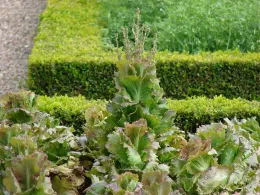
In garden terms, bolting means sending up a flower stalk, not desirable unless you plan to save seeds. Seed packets say lettuce matures in 60 to 80 days, but the timing also depends on the weather. In warm weather, lettuce matures and bolts much faster. In cool temperatures, seedlings grow more slowly but will still mature and bolt eventually. If the center of the lettuce starts to push upwards, that’s a clue that it’s starting to bolt. Another clue is if you tear a leaf and see milky sap instead of clear juices. Harvest as soon as you notice, before the leaves become unpleasantly bitter.
More information: Growing Lettuce
Months: January February March November December
Tags: Best Practices Vegetables To-Dos
Bone Meal for Bulbs?
Bone meal has traditionally been used as a phosphorus source for flower bulbs, but you may want to reconsider. If your soil is healthy, you may not need it and you may be better off with a balanced fertilizer designed for bulbs or even nothing at all. The nutrient content of commercial bone meal is lower than in the past due to the cleaning process, and the bone smell may attract raccoons or dogs to dig up the bulbs.
Months: November
Tags: Ornamental Plants Soil To-Dos
Broccoli - Multiple Harvests
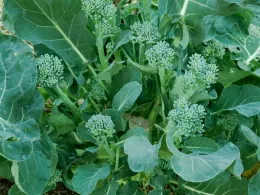
Did you know that most broccoli plants can give you multiple harvests? The first central head that they produce will be the largest and fullest. But after you harvest that one, the plant will start to produce lots of smaller heads, called side shoots. They sprout from buds in the leaf axils, where the leaves join the stem of the plant. You can keep harvesting these tender shoots, sometimes called broccolini or baby broccoli, for another 2 to 3 months.
More Information: Growing Broccoli
Months: March April May June September October November December
Tags: Best Practices Vegetables To-Dos
Burning & Stinging Nettles
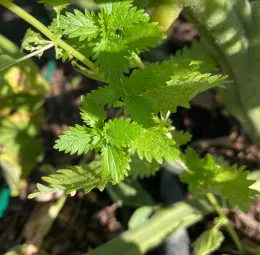
Our gardens are pleasant places but not if you find burning nettle (Urtica urens) or stinging nettle (Urtica dioica) among your flowers or vegetables. You’ll know they are there if you brush against them and immediately feel a burning or stinging sensation. Leaves and stems are covered with hair-like tubes that inject an irritating substance when touched. Look for them in late fall and early spring. Remove them as soon as they appear, using gloves for protection. They can produce viable seeds in just five weeks and produce 1,500 seeds per plant. A thick layer of mulch or cover crops with dense canopies can help suppress germination.
More information: Burning & Stinging Nettles
Months: March April October November
Tags: Weeds To-Dos
California Poppies
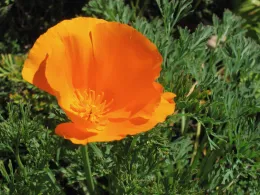
The California poppy, seen on hillsides in late winter through early spring, can be grown in your own yard.
It can re-grow from a taproot or reseed itself rapidly throughout your garden and lawn, so consider whether this would be acceptable. If it is, seeds can be scattered now or with initial rains for vibrant color in a couple of months.
Months: November
Tags: Ornamental Plants What to Plant
Camellias
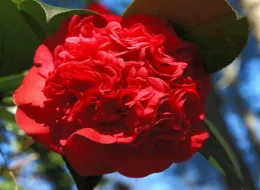
Camellias can be planted in fall through spring. Since they bloom in winter, choosing a plant now will ensure that you know the color, shape, and size of the flowers with which you will live for many years. Camellias are not native to our area so may need some extra attention in order to grow successfully. Our native clay soil does not drain well so it must be amended for camellias. Our alkaline soil needs to be acidified, and sulfur pellets are one way to achieve this. The plants need some shade and need to be kept moist. Mulch helps hold in moisture, and pine needles, redwood bark, and coffee grounds are all good organic materials that will break down over time and help improve the soil. Pick up flowers as soon as they fall to the ground to avoid the spreading of a disease called Camellia petal blight.
More information: Camellia Pests
Months: January February March April May September October November December
Tags: Ornamental Plants Trees & Shrubs What to Plant
Citrus Bud Mite - Leave It Alone
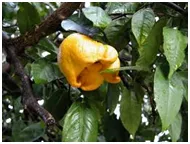
Have you ever seen weirdly shaped lemons or oranges that appear to have “fingers”? This condition is caused by the Citrus Bud Mite.
It attacks newly forming flowers and fruits. The mite is only visible with a magnifying glass and has a elongated yellow body with four legs that appear to come out of its head. The mites feed inside the buds, killing them or causing a rosette-like growth of the subsequent foliage and distortion of flowers and fruit. The problem is usually limited to just a few fruit on the tree.
Previously recommended oil sprays have not been proved effective. This is one of those pests that is best left alone. The oddly-shaped fruit is edible.
For more information see UC Pest Note on Citrus Bud Mite.
Months: November
Tags: Fruits & Nuts IPM Invertebrates Vertebrates Pests and Diseases
Citrus Leafminer
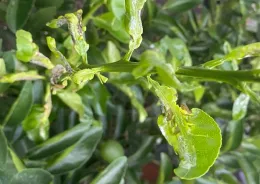
What causes young, healthy citrus leaves to become gnarled and disfigured and what can be done about it? This damage is due to the citrus leafminer moth that lays eggs on new citrus leaves. Its larvae burrow into the leaf and leave tunnels as they feed, visible as meandering serpentine mines. Our advice: don’t worry about it. Leafminers can slow the growth of young trees but even heavily damaged trees are unlikely to die. Leafminers only attack young leaves — the tough leaves of mature plants resist infestation and fruit is not affected. Damaged leaves still produce food for the tree, so don’t cut them off. If you do, it will stimulate the tree to produce more new leaves — which will attract more leafminers!
More information: Citrus Leafminer
Months: January February March April May September October November December
Tags: Fruits & Nuts Invertebrates Pests and Diseases
Fall Garden Cleanup
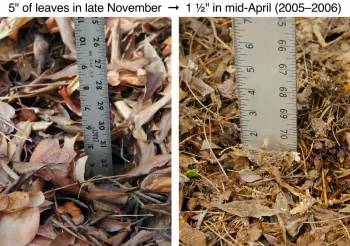
It’s an excellent idea to keep the garden clean at all times and to remove dead or dying plants or diseased material. Yet there may be bigger seasonal cleanups when taking out plants that have finished producing or that need to be removed to make room for new plants. Trim woody or overgrown perennials. Remove plant debris that allows insects and diseases to overwinter and then reproduce. Always pick up fruit promptly from the ground to not invite critters or allow diseases to proliferate. It’s best to leave fallen leaves in place unless they are diseased. They provide a mulch layer while slowly breaking down and returning nutrients to the soil and then back to the plants. Particularly during a drought, having the soil covered is important for moisture retention. Leaf litter also offers extra protection and cover for hibernating bumble bees and beneficial insects overwintering in various stages of life. If the leaves are diseased, they need to be removed and put out with the yard waste. Monitor the health of your plants while you’re out cleaning up.
More Information: Fall Garden and Landscape Checklist, Leave the Leaves
Months: October November
Tags: Best Practices Disease Fruits & Nuts Ornamental Plants Techniques Trees & Shrubs Vegetables To-Dos
Forcing Bulbs
Forcing bulbs involves getting spring bulbs to bloom indoors during winter. Start by selecting the bulbs. Some bulbs such as hyacinths need to be chilled, while others like paperwhites do not. Select a container without holes and place a layer of rocks on the bottom. Position the bulbs on the rock layer, pointed end up; then fill with water to the bottom of the bulbs. Top up water if the level drops. Replace water if it gets murky. Keep the container in a cool dark location until the roots start growing; then move it to a sunny location and enjoy the display.
More information: Forcing Bulbs Indoors
Months: November December
Tags: Ornamental Plants What to Plant
Frost Dates
The approximate first and last frost dates for Santa Clara County, depending on your location, are November 15 and March 15. These are important dates for gardeners to remember.
First frost date—this is the earliest date you should expect frost to occur. If you have plants that need to be brought in for the winter, or crops you need to pick before frost, this date will be important to you.
Last frost date—after this date, you wouldn’t expect any more frosts. It’s generally used as a milestone when pruning frost-sensitive plants (such as citrus where you don’t want to stimulate delicate new growth until the danger of frost is past).
For our climate, the last frost date is not a reliable metric for when to transplant summer vegetables. Daytime temperatures and soil temperatures are more important. See entries for individual vegetables for specific recommendations.
Also see: Frost—Avoidance and Dealing with Damage
Months: January February March November December
Tags: Garden Basics To-Dos
Garden Tools Prep
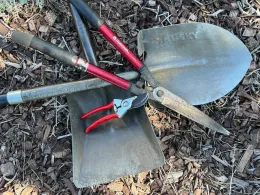
If you’re a warm season gardener and won’t be using your tools during the winter, now is a good time to get your tools ready for the off-season. Check your yard to make sure you haven’t left anything outside. Then clean dirt and sap from your tools and coat steel surfaces (check with a magnet if you’re not sure) with a light coating of oil to prevent rust. You can sharpen pruners and loppers. We have a video showing how to clean and sharpen tools.
More information: Tool Care Tips
Months: November
Tags: Garden Tools To-Dos
Going Native
Native shrubs, trees, and flowers are well-adapted to our climate and soil, and support native butterflies and bees and other wildlife. They are drought-tolerant once they are established, but need adequate water for the first year or two to establish a strong root system that will help nourish the plant for years to come. Planting them in the fall gives them time to settle in before being hit by the heat of the summer sun. Consult the California Native Plant Society for more information.
Months: October November
Tags: Ornamental Plants Waterwise Plants Waterwise Tips What to Plant
Growing Vegetables in Containers
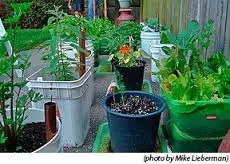
Container grown vegetables can be decorative as well as good to eat. Almost any vegetable can be grown in a container if given the proper care. Eggplant, peppers, tomatoes, lettuce, onions, carrots, cucumbers and herbs do well. Use our Vegetable Planting Chart to decide when to plant.
One of the biggest problems is that containers dry out very fast and nutrients wash away. Both are solvable. Do not use clay pots, which dry out quickly. Plastic, composite or wooden half-barrels are good, but avoid dark colors that can absorb heat. Vegetables like a roomy container.
There must be drainage holes in the bottom but it is not recommended that you put pebbles or broken crockery in the bottom. Use a good commercial potting mix, not planter or planting mix. Group the containers together so they will shade one another.
The hot summer sun can heat the soil to unhealthy levels. Water whenever the soil is dry. You can test by digging your fingers into the dirt. You may have to water more than once a day. A simple drip system is easy to install and will make your container garden almost foolproof. Fertilize every week with a water-soluble fertilizer.
More Information: Edibles in Containers
Months: February March April October November
Tags: Techniques To-Dos
Harvest Kiwis
Pick kiwis in late fall while is still hard like an avocado, softening at room temperature. Watch the vine for signs of ripeness. A few fruit will turn soft or the skin color goes from greenish to full brown. Fruit can be left on the vine after leaves have fallen. You can store in the refrigerator for up to 4 months or at room temperature for about 2 weeks. More details about Kiwifruit Culture is provided by the California Rare Fruit Growers.
Months: November
Tags: Fruits & Nuts To-Dos
Harvesting Oranges
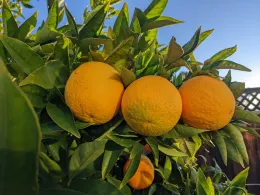
There’s a simple way to know whether your citrus fruit is ripe: taste it! Citrus varieties differ in when they first ripen and how long the fruit holds on the tree. Harvest dates depend on the variety and the climate. For example, the normal fruit season is winter for Navel orange, and summer for Valencia orange. Until you are familiar with your particular tree, sample a fruit periodically to see if it suits your taste. Allow fruit to ripen fully on the tree, as citrus does not continue to ripen once it’s picked.
More information: Harvesting and storing citrus
Months: January February July August September October November
Tags: Fruits & Nuts Techniques To-Dos
Harvesting Sweet Potatoes
Hopefully the timing of your sweet potato harvest will work out for Thanksgiving dinner! They are usually ready 90-100 days after planting, when the end leaves start to yellow. You can dig down a little to see if the potatoes are large enough, but dig carefully or use your hands to avoid accidentally cutting the potatoes. If you plan to store them, cure them in a warm, humid environment for a couple weeks.
Months: November
Tags: Vegetables To-Dos
Inspect Roots When Planting
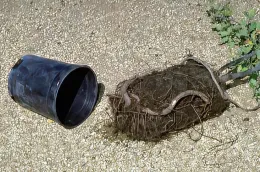
If you’re adding plants to your garden this spring, check the roots before putting them into the ground. Two things are particularly important. First, look for circling roots, which can eventually strangle the plant. Straighten them out as much as possible and consider pruning them if they’re too big to spread. Second, note where the roots start growing and plant at that depth, or slightly higher to allow for some settling. If planted too deeply, plant roots cannot get enough oxygen to grow and may suffocate and die. Planting too shallow can result in root damage from exposure and excessive drying.
More Information: Fix Those Roots Before You Plant
Months: February March April May September October November
Tags: Best Practices Garden Basics Techniques To-Dos
Leafy Salad Plants
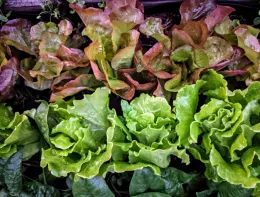
Harvest your leafy vegetables early and often. Many leafy vegetables will bolt (go to flower) quickly if not harvested. When you harvest lettuce or similar greens, remove only the outer, older leaves. New leaves will continue to grow from the center, and you’ll be able to eat salads all winter. Harvest head lettuce all at once when the head is full and firm. Watch for signs that plants are getting ready to bolt. That’s the signal it’s time to harvest the entire plant.
More Information: Growing lettuce in Santa Clara County
Months: January February March November December
Tags: Best Practices Vegetables To-Dos
Limes
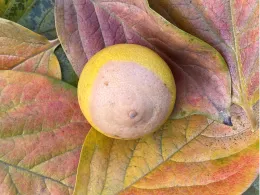
Limes are easy to grow in our area and make a pretty addition to the landscape. They don’t take up as much space as some other citrus and can grow well in our native soil with plenty of sun. They need some fertilizing and occasional protection from the cold. Bearss Lime is a popular variety that has fruit ripening now. Other favorites include Mexican Lime, Australian Finger Lime, and a Limequat hybrid. Most limes are yellow when fully ripe and have a higher juice content at this stage; most limes in stores are green because they have a longer post-harvest life or shelf life. A tan, leathery sunken area at the end of the fruit is called blossom end rot in citrus. It can come from insufficient water, preventing calcium from getting all the way to the ends of the fruit (similar to blossom end rot in tomatoes.) You can freeze the fruits whole for year-round margaritas or whatever it is you do with your limes. Freezing weakens the cell walls, which makes it even easier to juice the limes after thawing.
More Information: Growing Citrus Fruits
Months: January November December
Tags: Abiotic Disorders Fruits & Nuts Techniques Pests and Diseases
Mulch Bare Soil Before Rains

Mulch isn’t just for the summer. Yes, it’s good for conserving soil moisture and keeping the ground cool, but it’s important in the rainy season too. Bare soil that’s open to rain, wind, and sun becomes compacted and hard. Rain tends to run off instead of getting absorbed. Compare a patch of bare soil with one that’s been deeply mulched, and you’ll see the difference. An organic mulch that slowly decomposes keeps the soil beneath it moist and loose, plus it will suppress the weeds that will be sprouting with the rains.
More information: Impact of Mulches
Months: October November
Tags: Best Practices Soil To-Dos
Native Wildflowers

Native California wildflowers herald the beginning of spring — and the time to plant them is ahead of the winter rain. Besides their showy display, they’re a habitat for local pollinators and a great way to cover up bare spots. If that’s not enough, they also require little care. Just select a well-drained and sunny site, remove weeds, and lightly rake the surface of the soil. Hand disperse seeds and lightly cover with soil, no more than about ¼ inch. Gently tamp them down with the back of a rake and water. After that, let Mother Nature take its course — we hope with some rain!
More information: Native Flowers
Months: September October November
Tags: Ornamental Plants Waterwise Plants What to Plant
Onions
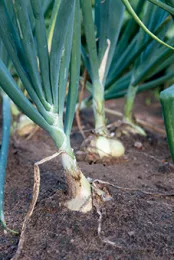
This is a good time to plant onions for nice big bulbs. Onions are biennial plants which means that they are programmed to go to seed in their second year. If they are planted too early in the year and grow too large before cold weather hits, they can be tricked in the spring into acting as if they are in their second year. This means that they will go to seed soon and put their energy into reproducing themselves rather than into growing large bulbs. Ideally, they should be no bigger than the thickness of a pencil when the cold weather causes them to go dormant. Plant onions from seeds if earlier in the fall or transplants if later. They do best in moist, well-drained soil. Harvest bulbs in the summer when the tops die back. You can plant green onions at any time and harvest them whenever they are about a quarter to half-inch in diameter.
More information: Growing onions
Months: November December
Tags: Techniques Vegetables What to Plant
Paint Fruit Trees to Prevent Sunburn
After deciduous fruit trees have dropped their leaves, paint tree trunks with white latex paint diluted 1:1 with water to prevent sunburn. Preventing sunburn helps trees resist invasion by shot hole borers, which are tiny beetles that boreholes and lay eggs in the cambium layer of the tree. When the eggs hatch, young larvae feed and excavate tunnel galleries in the wood. For more information about identification and control see UC Pest Note on Shothole Borer.
Months: November December
Tags: Best Practices Fruits & Nuts IPM Invertebrates Trees & Shrubs To-Dos
Peach Leaf Curl Preventive Care
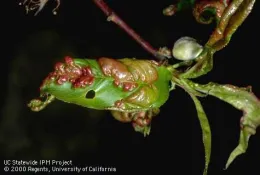
Have your peach or nectarine leaves ever looked like this? These puckered leaves are a classic springtime symptom of peach leaf curl. Severe cases can substantially reduce fruit production. Prevent this disease by applying a copper-based fungicide shortly after the leaves drop. Use a second application in late winter if there’s a lot of winter rain. Once the blossoms open and leaves appear, it’s too late to do anything. Spraying during the growing season won’t help. If you haven’t seen this on your tree, you may have a resistant variety. If so, there’s no need to spray.
More information: Pear Leaf Curl
Months: January February November December
Tags: Disease Fruits & Nuts IPM Pests and Diseases To-Dos
Persimmon Harvesting
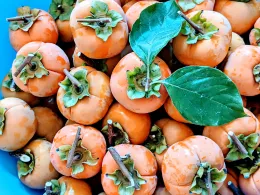
Persimmon season is here. The skin of the fruit turns orange when fully ripe. The flat bottomed Fuyu persimmons will still be fairly firm when ready and can be eaten raw like a crispy apple or sliced up and cooked into an apple-style pie. Fruit that falls from the tree early may continue to ripen on the counter despite the green skin. Heart-shaped Hachiya persimmons turn almost jelly-like inside when ripe. It is best to eat raw by cutting it in half and digging it out with a spoon. They can also be used in baking. If you eat an unripe Hachiya persimmon, you will gain a new understanding of the word “astringent”! To protect the persimmons from birds and squirrels, it is necessary to wrap the tree with bird netting or cover it in a structure made with chicken wire before the fruits are ripe.
More information: Persimmons, UC Integrated Pest Management
Months: October November
Tags: Fruits & Nuts To-Dos
Picking Pomegranates Properly
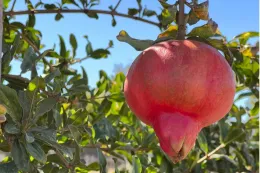
Picking pomegranates at the right time is important because they don’t continue to ripen after harvest. Clues to watch for: a deepening color of the fruit, a metallic sound when tapped, and softening skin that can be scratched with gentle pressure. When harvesting, clip the stem close to the fruit instead of pulling it off the tree. This prevents open wounds that may rot. Pomegranates are susceptible to splitting when watered unevenly, so if you’ve reduced irrigation because of the drought, you may want to harvest them quickly once winter rains start.
More information: Pomegranates, California Rare Fruit Growers
Months: October November
Tags: Fruits & Nuts Techniques To-Dos
Plant Garlic & Shallots
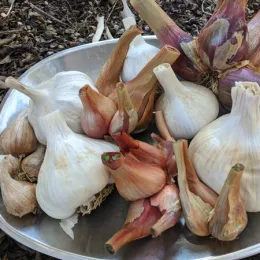
The time to plant most garlic and shallots is mid-October through the end of November. Fast-growing Dutch Red shallots can mature in just 90 days, so can be planted again in late winter or early spring. Specialty growers guarantee disease-free stock and offer many more garlic varieties than you see at the grocery store, from beefy Chopaka Mountain to beautiful Rose de Lautrec.
Choose the largest cloves and leave the natural papery wrappers on them. Plant them in moist, well-drained soil in a sunny location with the pointy tips up, about one inch deep. Space cloves about four inches apart to leave room for large heads to develop.
More information: How to Grow Garlic | How to Grow Shallots
Months: February March October November
Tags: Vegetables What to Plant
Planting Bulbs
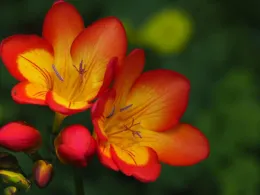
Bulbs that bloom in the spring are planted into the ground in the fall. These include those that are technically corms, rhizomes, tubers, or tuberous roots in addition to true bulbs. Examples are babiana, crocus, daffodils, freesia, hyacinths, iris, ixia, sparaxis, and tulips. They can go into the ground in groups, into pots, or be tucked in amongst other plants. They need to be in a place that doesn’t stay wet because they will rot with too much water. It is important that the soil has good drainage. They flower best in full or filtered shade.
Be sure to plant them with the pointy side up because new growth will come from that point. A rule of thumb is to plant them twice as deep as the diameter of the bulb, but follow instructions for the specific flowers. Water them in at planting time.
More Information: Bulb Planting Schedule , Tips for Growing Bulbs
Months: September October November
Tags: Container Gardening Ornamental Plants What to Plant
Planting Ornamentals
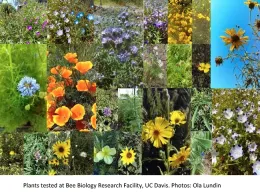
Spring is when thoughts turn to planting, yet fall is an excellent time to plant perennials. You can plant many trees, shrubs, and other long-lasting plants in the fall. This applies particularly well to California native plants. Putting them in now will give them a chance to start developing strong root systems with the winter rains before they are stressed by summer heat. Make sure to water new plantings regularly until they have established good root systems and can survive with less supplemental water.
When choosing plants, consider our general Mediterranean climate as well as the microclimate of your yard. Local California natives in particular need little to no amending of the soil because they have evolved in our clay soils. Sun times, water needs, wind exposure, and soil type can all impact the success of a plant. Make sure you know how large the plant will become, even if it looks fine now in a one-gallon or five-gallon container.
More Information:
Months: September October November
Tags: Ornamental Plants Trees & Shrubs What to Plant
Planting Trees or Shrubs
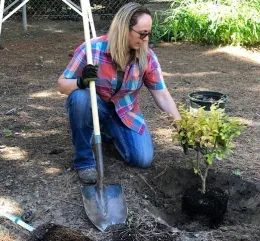
You may be tempted to amend the soil when planting trees or shrubs, but it’s no longer recommended. If the soil in the hole is amended, it creates soil moisture differences that discourage the roots from growing into the native soil beyond the hole. For best results, dig a hole about twice as wide as the container. Rough up the sides to help the roots penetrate. Don’t loosen the soil in the bottom of the hole or the plant may settle too low. The goal is to keep the crown of the plant slightly above the surrounding soil. Then simply backfill with the native soil from the hole.
More information: Planting for Success
Months: March April May September October November
Tags: Best Practices Techniques Trees & Shrubs To-Dos
Poison Oak
Poison oak is a California native plant that provides shelter and food for many native birds and other creatures. The downside is that at least 75% of us develop allergic contact dermatitis to the plant. Unwanted poison oak can be pulled or dug up by allergy-resistant friends, remove plants in early spring or late fall when the soil is moist and it is easier to dislodge rootstocks.
A complete list of management options, including herbicide control, is contained in the UC Pest Note on Poison Oak. Under no circumstances should poison oak be burned.
Months: February March April November
Tags: Disease IPM Trees & Shrubs To-Dos
Poisonous Plants List
As we approach the holidays, there are a lot of questions on poisonous plants. Fortunately, many of these plants have a very bitter taste that limits the amount of the plant eaten.
Poinsettia and mistletoe should be kept away from curious children, but the list includes other flowers and plants such as azaleas, calla lily, carnation, daffodil, foxglove, hydrangeas, iris, lantana, narcissus, poppy, sweet pea and tulips.
Different parts of the plant may be toxic. Consult the UC Poisonous Plants publication for more information.
Months: November December
Tags: Best Practices Container Gardening Ornamental Plants To-Dos
Potting Mix vs Planting Mix
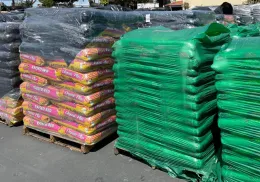
Is there a difference between potting mix, potting soil, and planting mix? The best advice is to read the label. The terms for bagged mixes aren’t regulated, so they can vary by manufacturer. What’s important to know is that not all bagged mixes can be used in pots. Some are meant to be used as garden fill, amendment, or mulch, so they won’t provide the right water retention, drainage, or nutrients for container gardening.
For more information: Bagged Potting Mixes
Months: March April May November
Tags: Garden Basics Ornamental Plants Soil Vegetables To-Dos
Reusing Soil in Containers
When the plants are done in the containers, you can refresh the container soil without throwing it away. Start by loosening the soil and removing the plant parts. Then, add additional potting mix and some compost. The fresh material will add nutrients and organic matter for the next round of planting. Do not reuse the container soil if there have been problems with disease, insects, or weeds. Pathogens, insect eggs, and weed seeds can remain in the soil even after a plant is removed.
More information: Gardeners can reuse, recycle last year’s potting soil, Oklahoma State University Extension
Months: November
Tags: Soil To-Dos
Should You Prep Soil for Planting?
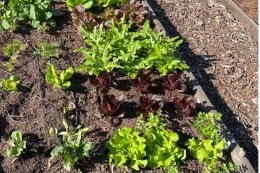
It’s tempting to grab a shovel and turn over all the soil in your garden as you prepare for summer planting. But should you? Increasingly, science is saying “no.” Every time you dig into the soil, you’re disturbing a very intricate, living web of organisms, bacteria, and fungi that your plants need to thrive. In contrast, a “No-Till” approach minimizes soil disturbances and keeps organic material like leaves, compost and coarsely chopped plants on the ground’s surface to slowly decompose. By keeping it moist and protected from beating sun and pounding rain, this organic material allows the soil to stay crumbly and ideal for planting.
More information: No-Till for Home Gardeners
Months: March April May October November
Tags: Best Practices Garden Basics To-Dos
Slime Molds
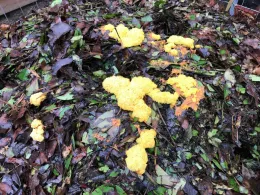
Slime molds come in a variety of colors and shapes. They often appear suddenly and look worrisome. According to the Mississippi State Extension, “when slime molds find something to eat, they surround their food and then swallow it. Slime molds may feed indirectly on dissolved substances escaping from organic matter, but they usually feed on microorganisms such as bacteria.” In general, no action is needed. They need moisture to grow and will disappear when the area dries out. Just enjoy this marvel of nature while it’s there.
Months: January February March April October November December Any Month
Tags: Best Practices Pests and Diseases
Sooty Mold
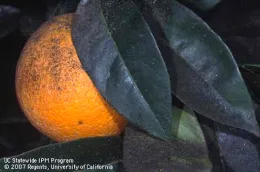
If your citrus leaves have a black coating, you may have a sooty mold problem. This black mold can also be seen on citrus fruit, avocado leaves, magnolia leaves, hibiscus, other host plants, and even on sidewalks beneath trees.
The sooty mold fungi grow on “honeydew”, a sticky substance excreted by plant-sucking insects such as aphids, scale, mealybug, and whitefly. They suck the sap out of plants and excrete excess sugars. It exists purely on the surface of a plant and is not a systemic issue. By itself, the fungi cannot kill the plant but it can coat the leaves to the extent that sunlight is prevented from reaching the leaf surface, thus reduce photosynthesis.
Ants protect the sucking insects from their predators so they can eat the honeydew. Keep ants out of trees and away from honeydew-producing insects by applying a sticky compound such as Tanglefoot on a tape wrapped around the trunk.
Pruning branches to allow better air circulation also helps. You can hose off the mold itself with a strong jet of water. And you can eat the fruit once you wash off the sooty mold.
For more information, see Sooty Mold Management Guide.
Months: August September October November December
Tags: Best Practices IPM Invertebrates Techniques Trees & Shrubs Pests and Diseases
Spiders in Your Garden

While we use spiders as spooky Halloween décor, common garden spiders are beneficial insects and only spooky to the insects and other pests that they prey on. Spiders such as orb weavers catch our attention with their large, dramatic webs, while dwarf spiders are so small, we may not even notice them. Others, such as jumping spiders and flower spiders, hunt their prey without spinning webs. Widow spiders are indeed venomous, but they are also very shy and hide in dark places. So even though they are common, bites from them are rare. Follow the link for a video about spiders and the myths surrounding them.
More information: Arachnophobia Video
Months: August September October November
Tags: Beneficial Insects Pests and Diseases
Stinkhorn Mushroom
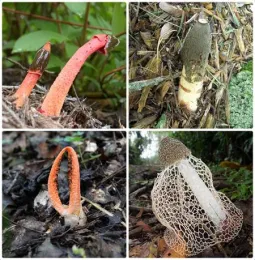
You might find stinkhorn mushrooms growing out of a lawn or a pile of mulch. They come in many colors, shapes, and sizes. They can grow as fast as four to six inches per hour. Stinkhorns get their name from their foul odor, described by some people as a rotting meat smell. The smell attracts insects, which then spread the mushroom spores. While the smell is unappealing, stinkhorns are short-lived, and they help break down organic matter into the soil. They are most likely to appear in cool, wet weather. UC has management advice for mushrooms and other nuisance fungi in lawns.
More information: Stinkhorn Mushroom
Months: January February March October November December
Tags: Best Practices To-Dos
Termites
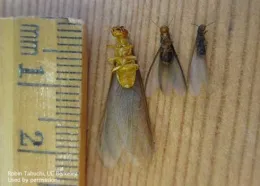
Termites are very common in Santa Clara Valley. The first sign of infestation may be the presence of winged forms or fecal pellets pushed out of the infested wood.
See the UC Pest Notes on Drywood Termites and Subterranean and Other Termitesto identify which type is present and the methods of control. Learn all you can before calling in the professionals.
Months: April November
Tags: IPM Trees & Shrubs Pests and Diseases
White Butterflies and Green Caterpillars
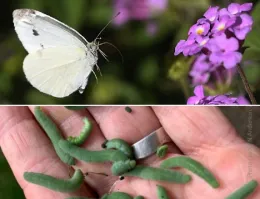
Have you seen these small yellowish-white butterflies fluttering around? Cabbage white butterflies feed on many flowers, but for laying their eggs. They favor the cabbage family, such as broccoli, cauliflower, and mustard. The velvety green caterpillars, also called imported cabbageworms, feed on the leaves after hatching. While mature plants tolerate a few holes munched in their leaves, young seedlings don’t have foliage to spare. Cultural controls include handpicking the caterpillars, brushing the eggs off the undersides of leaves, and using row covers to protect the seedlings. UC lists additional options in the link below.
More information: Managing Imported Cabbageworms
Months: March April May June July August September October November
Tags: Invertebrates Vegetables Pests and Diseases
White Mold on Lettuce and Brussels Sprouts
White mold is a distinctive disease that most often affects stems and foliage at the base of cole crops* and lettuce plants. Affected tissue develops a soft, watery rot and white, cottony mycelium forms on the surface. Plants may wilt if stems are girdled by the decay. As affected tissue dries up, it turns yellow to white, and hard black sclerotia form on the surface or inside the dead stems. Get more information in the UC Pest Note on White Mold.
* Cole crops include broccoli, Brussels sprouts, cabbage, cauliflower, collards, kale, and kohlrabi
Months: November December
Tags: Disease IPM Vegetables Pests and Diseases
Winter Soil Health
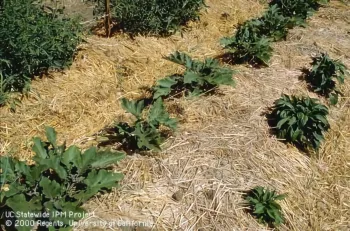
Areas of the garden that are not actively planted still need protection to support soil life and prevent soil erosion. Cover crops are one option. Their roots break up the soil, and if they are legumes, like fava beans, they add essential nitrogen. Mulches hold in moisture, moderate soil temperature, and help prevent weeds from germinating. Unlike rocks and synthetic mulches, organic mulches like leaves, wood chips, or straw slowly break down, supporting beneficial soil organisms and adding nutrients to the soil. A top layer of an inch or two of compost will slowly work down into the soil, amending it with organic matter. Manure from herbivores can also be spread over the top of the soil. Even fresh manure, which could burn plants if applied directly, can be used over a bare area to decompose in place and be ready for the next planting season.
More Information: Keep Your Soil Healthy
Months: October November
Tags: Best Practices Soil Techniques To-Dos