
Monthly tips are categorized by To-Dos, What to Plant, or Pests and Diseases. Scroll through the list to see items in each category.
To-Dos: Any Month
Bamboo
Composting
Drip Irrigation
Drought Tip - Irrigate Efficiently
Drought Tip - Laundry to Landscape Irrigation
Drought Tip - Lawns
Drought or Disease
Extending the life of cut flowers
Fertilizing Ornamental Plants
Free the Trees
Garden Sanitation
Green Waste or Compost
Houseplants Repotting
Identifying Weed Seedlings
Mulch to Conserve Water
Pet Safety in the Garden
Plant Propagation
Pruning Bougainvillea
Pruning Large Limbs
Pruning Tools Maintenance
Soil Management - Compost vs Mulch
Soil Temperature
Success with Houseplants
Trees Planted Too Deeply
Under the tree
Using Mycorrhizae Inoculants
Using Pesticides
Vinegar as Weed Control
Weed Management
Weed Spotlight - Filaree
Weed Spotlight - Mallows
Weed Spotlight - Spotted Spurge
Will Pine Needles Acidify My Soil?
Pests and Diseases: Any Month
Ailing Ornamental Trees
Ant Control
Armored Scale Control
Avocado Leaves
Decay in Trees
Fruit Damage
Fungus Gnats
Gophers
Manage Pests with “Integrated Pest Management”
Moles
Neem Oil
Pest Alert - Spotted Lanternfly
Protecting California
Rat Management
Root Knot Nematodes
Slime Molds
Squirrel Control
Travel rules for plants, seeds, and flowers
What to Plant: Any Month
Aloe Plants
Arboretum All-Stars
Chill Hours for Fruit Tree Selection
Creating a Pollinator Garden
Echeveria
Fresh Cut Flowers from Your Garden
How to Attract and Maintain Pollinators in Your Garden
Soil Temperature
USDA Hardiness Zones
Vegetable Planting Chart
Ailing Ornamental Trees
moIf you have an ailing tree, here are some questions you can ask yourselalof to begin diagnosing the problem: is the entire canopy of the tree affected? If the answer is yes, you can reasonably guess that something is wrong below the soil. A lack of nutrients (refer to the UC Pest Note on Mineral Deficiencies) will likely cause leaves to either die (necrosis) or lose color (chlorosis). Too much or too little water will also cause foliage problems (See UC Pest Note on Poor Water Management, Poor Drainage).
If only parts of the tree are affected, it is likely your problem is above ground. Is there a pattern to the distress? You can rule out or suspect sunscald by determining which side of the tree faces the harshest sun (UC Pest Note on Sunburn).
What kind of tree is it? Is there new growth? If there is, that’s a great sign that a single event, rather than an ongoing problem, distressed your tree. The UC IPM website will direct you to species-specific pests and disorders to help diagnose your tree’s ailments.
Months: August Any Month
Tags: Abiotic Disorders Disease IPM Trees & Shrubs Waterwise Tips Pests and Diseases
Aloe Plants
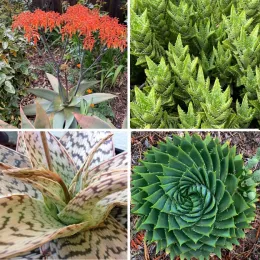
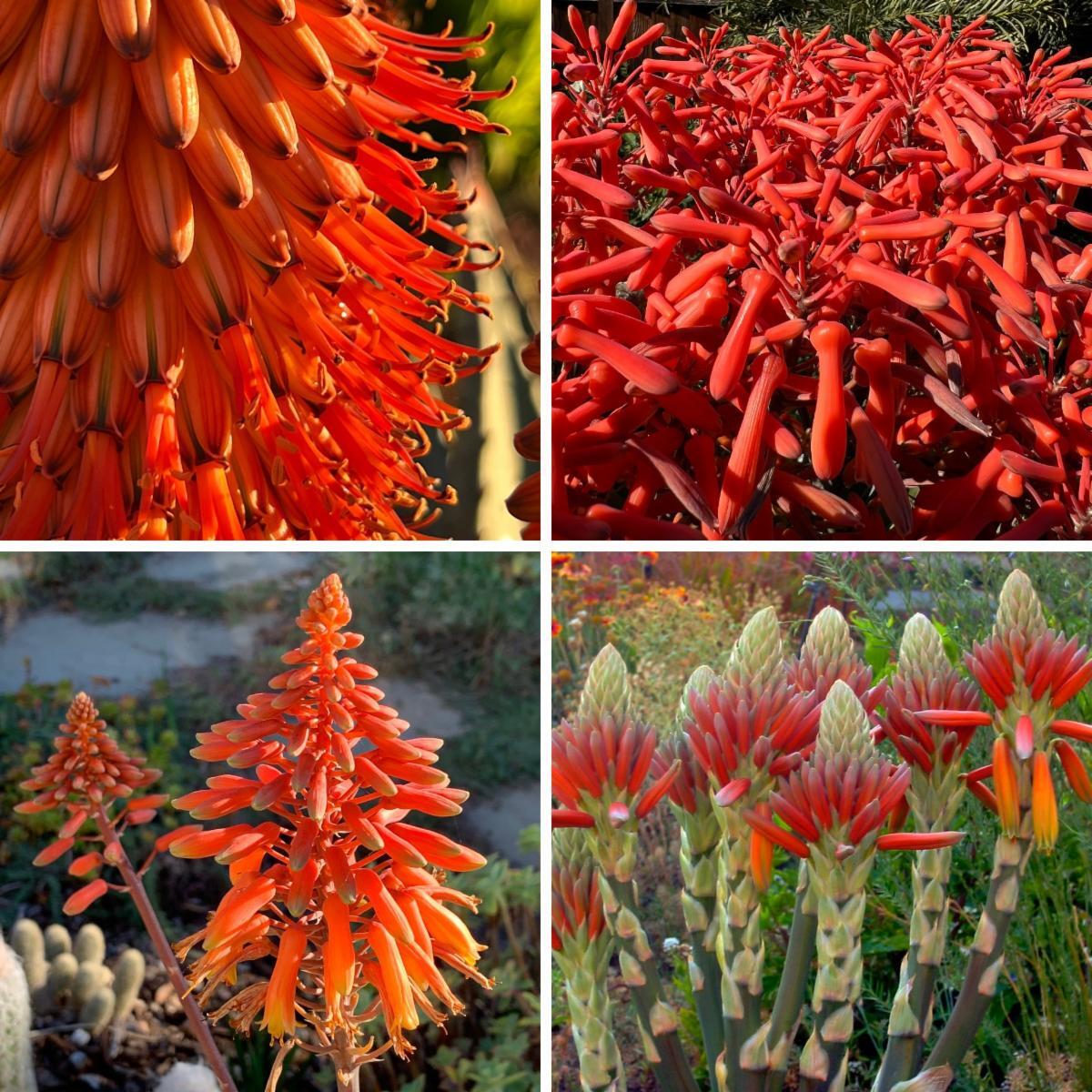
The genus Aloe contains hundreds of species, with Aloe vera being the most well-known for its medicinal uses. They are all succulents, and the majority have spines along the leaf edges. Their dramatic flower stalks are often visited by hummingbirds. Most species flower yearly; however, some types bloom more frequently, even year-round. The plants need little care, but because they come in all sizes, make sure you know how big a particular species will grow before you plant it
You can see their dramatic flower stalks here. Photo: Aloe flowers, clockwise from upper left: Aloe ferox, Aloe striata (coral aloe), Aloe polyphylla (spiral aloe), Aloe ‘Rooikappie’
Months: Any Month
Tags: House Plants Ornamental Plants Techniques Waterwise Plants Waterwise Tips What to Plant
Ant Control
On outdoor and sometimes indoor plants, ants protect and care for honeydew-producing insects such as aphids, soft scales, whiteflies, and mealybugs, increasing damage from these pests.
Ant management requires diligent efforts and the combined use of mechanical, cultural, sanitation, and often chemical control methods. It is unrealistic and impractical to attempt to totally eliminate ants from an outdoor area. Focus your management efforts on excluding ants from buildings or valuable plants and eliminating their food and water sources. Reducing outdoor sources of ants near buildings will reduce the likelihood of ants coming indoors.
Ants on Trees and Shrubs
When numerous ants are found on plants, they are probably attracted to the sweet honeydew deposited on the plants by honeydew-producing insects such as aphids or soft scales. Ants may also be attracted up into trees or shrubs by floral nectar or ripening or rotten sweet fruit. These ants can be kept out by banding tree trunks with sticky substances such as Tanglefoot. Trim branches to keep them from touching structures or plants so that ants are forced to try to climb up the trunk to reach the foliage.
When using Tanglefoot on young or sensitive trees, protect them from possible injury by wrapping the trunk with a collar of heavy paper, duct tape, or fabric tree wrap and coating this with the sticky material. Check the coating every one or two weeks and stir it with a stick to prevent the material from getting clogged with debris and dead ants, which will allow ants to cross. Ant stakes with bait can also be used around trees.
For more information about what ant baits and insecticides to use, please consult the UC Pest Note on Ants.
Months: June July August Any Month
Tags: IPM Invertebrates Pests and Diseases
Arboretum All-Stars
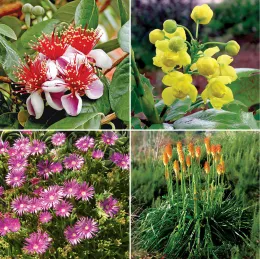
UC Davis, known for its horticulture expertise, has its own roster of 130 climate-ready plants to consider for your garden. Each Arboretum All-Star is selected to thrive in hotter and drier conditions and withstand extreme weather events all while supporting pollinators and local wildlife. In addition, it must be attractive for most of the year, thrive in California’s Mediterranean climate, and be thoroughly tested at the UC Davis Arboretum. To see them in person, take a day trip to the Arboretum — it’s open and free to the public. Or access their searchable database and find the perfect All-Stars for your specific garden conditions, along with planting plans and where to buy them.
More Information: UC Davis Arboretum All-Stars
Months: April October Any Month
Tags: Best Practices Ornamental Plants Waterwise Tips What to Plant
Armored Scale Control
These parasites suck the living sap from shrubs and trees. Armored scale insects are in the crawler stage in early summer (June). Armored scale has a hard stage that is very resistant to sprays. Control them during the crawler stage when they are soft and vulnerable. Spray with a horticultural (not dormant) oil, once a month for three months. See the UC Pest Note on Scales for important information about spraying.
Months: June Any Month
Tags: IPM Invertebrates Pests and Diseases
Avocado Leaves
Avocado leaves can give you clues about the health of your tree. For example, if you find mature avocado leaves turning yellow, the “problem” might be no problem at all. That’s what avocado leaves look like when they get old. Read more on how to “read” avocado leaves in this excellent “Reading Avocado Leaves” blog by San Diego Master Gardener Greg Alder. His article has many photos you can use for comparison for issues including mites, cold damage, sunburn, under- and over-watering, and more.
Months: Any Month
Tags: Disease Pests and Diseases
Bamboo
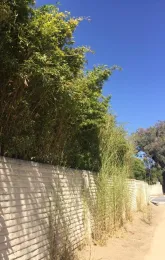
Bamboo has a reputation for spreading out of control, but not all varieties are classified as running bamboo. There are clumping bamboos that are easier to contain. Bamboo is grass, albeit one that can grow over fifty feet tall. Tall bamboo is often used as a privacy screen. It does best in full sun or partial shade. It is fairly drought tolerant and is an easy plant to grow. Deep barriers may be able to keep it from spreading. If planting in a container, check regularly to make sure the roots are not escaping from the drainage holes and thus growing beyond the pots into your yard or your neighbor’s. Foothill College in Los Altos Hills has a bamboo garden with over 80 varieties of bamboo if you’d like to see how many different ways bamboo can grow.
More information: Growing bamboo
Months: Any Month
Tags: Best Practices Ornamental Plants To-Dos
Chill Hours for Fruit Tree Selection
When selecting a fruit tree to plant, make sure that the varieties you choose will do well in our changing climate. Deciduous fruit trees like plums, peaches, and apples require a winter dormancy period that is measured in chill hours. In our warming climate, some traditionally grown varieties such as Bing cherries may not receive enough chill hours to fruit well. Where you live and the microclimates in your yard will affect your choices. See Chill Hours for more details on how chill hours are calculated and what low chill hour varieties are available.
Months: Any Month
Tags: Fruits & Nuts What to Plant
Composting
Composting is a good way to repurpose yard and kitchen waste, and it provides a free method to feed plants and improve soil structure. If you are unsure about how to begin composting, take a look at this simple how-to compost page. You can also go to the UCCE Composting Education Program website to learn more about free two-hour classes offered throughout the county.
As the weather warms up, compost piles dry out faster. Keep compost piles as damp as a wrung-out sponge to keep organisms alive and working on decomposing yard waste. Turning the pile to incorporate more oxygen also supports life in the compost pile.
Months: June July August Any Month
Tags: Best Practices To-Dos
Creating a Pollinator Garden
Pollination is the process of transferring pollen from the anthers of a flower to the stigma. It is a requirement for the production of fruits and seeds. In addition to wind and water, pollinators include bees, hummingbirds, butterflies, moths, bats, flies, and beetles.
You can support the pollination process—and help counter habitat destruction—by selecting plants attractive to common pollinators. UC has many resources for planning a pollinator garden. Here are a few to get you started!
- How to Attract and Maintain Pollinators in Your Garden, UC ANR Publication 8498
- 13 Ways to Make a Garden Pollinator Friendly!, UC Master Gardener Program Statewide Blog
- Nesting and Overwintering Habitat, Xerces Society Publicationd
Months: Any Month
Tags: Beneficial Insects Herbs Ornamental Plants What to Plant
Decay in Trees
Shelf-like fungus or mushrooms growing on trees indicates advanced internal decay. Once these external fruiting structures appear, the infection is likely widespread inside the tree. To reduce the chance of infection, protect trees from injury, provide adequate water and fertilization, and prune trees correctly when young to avoid significant pruning cuts when they’re older. Regularly inspect trees and consult an arborist if you spot fungal growths or other signs of decay. The arborist can assess the extent of rot and the structural integrity and make recommendations. More information: Wood Decay Fungi in Landscape Trees
Months: Any Month
Tags: Fruits & Nuts Ornamental Plants Trees & Shrubs Pests and Diseases
Drip Irrigation
Low volume drip irrigation system
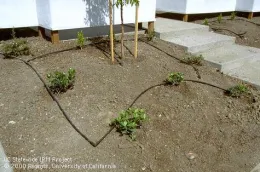
Consider various forms of irrigation conversion! Irrigation systems, especially drip and micro-sprinklers, have drastically improved over the last few years. For example, there are kits that convert pop-up sprinkler heads to low-flow systems. The conversion kits include a pressure regulator to control changes in pressure and a filter to improve water quality. Water usage is reduced through better water management, control of distribution and less loss from evaporation. Other advantages include:
- Water is placed more accurately and efficiently in the root zone, it is applied at a slow rate that reduces loss from runoff.
- Dry soil between plants allows you to work in the garden between irrigating
The key to success is watering long enough to supply adequate water to the root zone. Inappropriate watering commonly damages landscape plants. As with any irrigation system, they are efficient only when soil around the plants being irrigated is regularly monitored for proper moisture levels (Reference: UC Pest Note Poor Water Management, Poor Drainage).
Months: April May June July August September Any Month
Tags: Best Practices Irrigation Techniques Waterwise Tips To-Dos
Drought Tip - Irrigate Efficiently
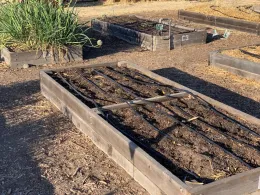
Water restrictions are being put into place all over the state due to the current drought. With over half of urban water used in landscapes, it is essential to make sure your irrigation system is efficient. Watch your plants for signs of underwatering, overwatering, or uneven watering. Consider reducing irrigation times. And make sure your water bill hasn’t unexpectedly jumped. Also, adjust systems on timers monthly as the weather changes or use an automatically-adjusting smart controller. A smart controller can make the needed adjustments after initial programming with plant, location, and other relevant information.
Our Santa Clara County clay soil absorbs water slowly, so only water for a few minutes at a time to avoid runoff. Then repeat until the water penetrates to the depth of the roots. Inspect drip and sprinkler systems regularly to make sure there are no leaks, emitters are not clogged and it is watering the plants and not the sidewalk, also make sure the water is going to the root zones of the plants. If you run a hose to a plant, set a kitchen or cell phone timer so you don’t forget that the water is running. Valley Water can help residents with Water Wise Outdoor Surveys and Landscape Rebate Programs.
Months: March April May June July August September Any Month
Tags: Best Practices Irrigation To-Dos
Drought Tip - Laundry to Landscape Irrigation
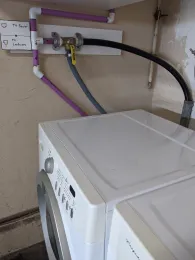
A laundry-to-landscape system is an easy way to save water in times of drought. It can be installed easily at a low cost to send rinse water from clothes washers directly to the landscape.
Suitable plants include fruit and ornamental trees, shrubs, and ornamental annuals. It’s not applicable where the water would come in direct contact with fruits or vegetables.
More information from Valley Water: About Graywater
Months: March April May June July August September Any Month
Tags: Irrigation Waterwise Tips To-Dos
Drought Tip - Lawns

This landscaping feature—imported long ago from rainy, foggy England—does not translate well to a semi-desert with frequent droughts. Lawns demand a huge investment of water, money, time, work, equipment, and fertilizers and other chemicals. According to Scientific American, U.S. lawns require the equivalent of 200 gallons of drinking water per person per day. Many people are joining the “lose the lawn” movement, and UC Davis offers several plans and examples to help you get started on a yard design more appropriate for our climate. Valley Water offers rebates and guidance for lawn replacement.
If your family uses your lawn and you want to maintain it this summer, follow the irrigation regulations of your local water company and aim for survival rather than a lush green carpet. A lawn that looks light green or brown will often be dormant (not dead) and will perk up with the winter rains; the roots can survive much longer than the blades above ground. Keep it mowed in the meantime so that weeds don’t go to seed and take over. Concrete and synthetic (plastic) turf do not benefit the environment other than not using much water.
More information: Drought Resources
Months: March April May June July August September Any Month
Tags: Lawns Waterwise Tips To-Dos
Drought or Disease
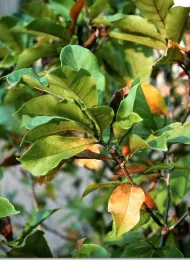
It can be hard to tell if a stressed plant is suffering from a disease or a lack of water due to drought. Water stress causes plants to lose their leaves, shrivel and droop, with split bark and brown branch tips soon to follow. These symptoms could be mistaken for diseases that attack the plant’s roots and vascular system. But it’s also true that water-stressed plants can be more susceptible to pathogens due to their weakened state. Check soil moisture for your ailing plant, and if it’s dry, try irrigating the plant. If it doesn’t respond, contact the our Help Desk for further assistance.
More Information: Drought or Disease
Months: Any Month
Tags: Disease Fruits & Nuts Techniques Trees & Shrubs Waterwise Tips To-Dos
Echeveria
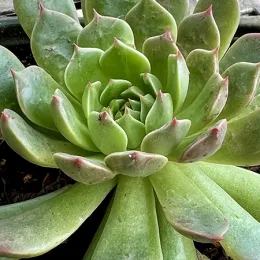
It’s easy to have color in your yard without using a lot of water. Instead of planting thirsty annuals, consider some of the many types of succulents. Echeveria does well in containers or in the ground. Plant them in well-drained soil and allow the soil to dry between waterings. They aren’t particular about sun or shade, although some can be a little sensitive to full afternoon summer sun.
Months: Any Month
Tags: Ornamental Plants Waterwise Plants Waterwise Tips What to Plant
Extending the life of cut flowers
To get the most life from cut flowers, collect them in the early morning and cut the stems at an angle. Immediately place them in lukewarm water in a cool spot for several hours to fully hydrate.
When arranging them, use a clean container, remove any foliage that will be below the waterline, and use lemon-lime soda or lemon juice to extend the life of cut flowers. The following mixtures supply food for the flowers and enough acidity to deter microbial activity.
- Lemon-lime soda mixture. Mix 1 part regular lemon-lime soda (not diet soda) with
3 parts warm water. Add ¼ teaspoon of household bleach per quart of this solution. - Lemon juice mixture. Mix 2 tablespoons of lemon juice (fresh or bottled), 1 tablespoon of sugar, and ¼ teaspoon of bleach per quart of warm water.
For more information, refer to Extending the Freshness of Cut Flowers at Home.
Months: Any Month
Tags: Best Practices Ornamental Plants Techniques To-Dos
Fertilizing Ornamental Plants
We fertilize fruit trees and vegetables to improve yield, but do we need to fertilize ornamental trees and shrubs? Generally, no. Fertilizing healthy, established trees encourages excessive and weak growth that is susceptible to pests and diseases. Too much fertilizer can burn roots and harm the environment. If the plant does not look healthy, diagnose the problem first, and only fertilize for nutrient deficiencies. Exceptions are young trees and palms. You may want to fertilize young trees to help them reach their optimal size quickly. Palm trees require regular applications because of their high needs for potassium, nitrogen, magnesium, and certain micronutrients.
More information: Fertilizing Woody Plants
Months: Any Month
Tags: Best Practices Ornamental Plants Trees & Shrubs To-Dos
Free the Trees
As your young trees grow bigger and stronger, remove supporting stakes or loosen the straps as early as possible. Some movement of the tree is important to make it healthier in the long run. If the tree is able to stand on its own, it will develop a thicker trunk with a taper at the bottom.
Months: September Any Month
Tags: Abiotic Disorders Best Practices Fruits & Nuts Techniques Trees & Shrubs To-Dos
Fresh Cut Flowers from Your Garden
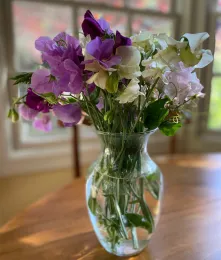
We have a webpage to help you choose and grow beautiful cut flowers for your home or to give away. The Cut Flower Planting Chart lists ornamentals we’ve grown successfully. We selected these for their hardiness, appeal to pollinators, and production of good cutting flowers. The chart tells you when to start these flowers from seeds or when to transplant, plus when you can expect to see blossoms.
More information: Tips on planting a cut flower garden
Months: January February March April May June Any Month
Tags: Garden Basics Ornamental Plants What to Plant
Fruit Damage
If your fruits are ready to pick and you don’t get to them first, there are critters that will let you know when they are ripe. For example, for citrus, snails leave little holes in the outside peel, rats hollow out the fruit and squirrels carry them off, often leaving partly eaten fruit on a nearby fence.
To determine what’s eating your fruit - start by narrowing down the list of possible pests in your area. Check the damage to determine whether it is likely caused by insects, birds, or rodents. Determine what time of day the damage happens. Squirrels are active during the daytime, and rats are mainly active at night. Look for other signs, such as placement of the damaged fruits, tracks, and possibly droppings, and compare that to the habits of the pest you suspect. When you are sure what the pest is, you can take appropriate action to protect your fruits.
Resources:
Months: February July Any Month
Tags: Best Practices Fruits & Nuts IPM Pests and Diseases
Fungus Gnats
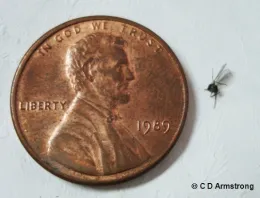
Have you ever found yourself waving away a poorly-flying, small insect near seedlings or houseplants? Or noticed a swarm of tiny flies around a composting bin? Adult fungus gnats are nuisance pests, but in high numbers, the larvae can damage roots and stunt plant growth. They thrive in moist, organically-rich potting soil and can be found indoors at any time of year. The most effective control targets the larvae by eliminating excess moisture, especially by letting the surface of container soil dry between watering. Other control methods are discussed in the linked UC Pest Note.
For more information: Fungus gnats Management Guide
Months: May June July Any Month
Tags: Invertebrates Vertebrates Pests and Diseases
Garden Sanitation
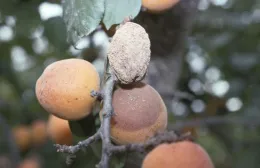
Keeping the garden clean can help keep it healthy. Remove spent blossoms, fruit, and other plant parts as your plants finish producing. Dead and decaying plant parts can attract pests and give them safe places to breed. Insect pests damage plants directly by eating material or sucking out juices and nutrients, and they also spread diseases between plants as they move around. Weeds compete with desirable plants for water and nutrients and even sunlight, so remove them promptly. Older leaves of some plants, like squash vines, may naturally turn yellow and die. Removing them early allows the plants’ energy to go into the actively growing parts. Pick up fallen fruit that can attract rodents and can also return disease pathogens to the soil and plant. It’s particularly important to remove dried-up fruit “mummies” so that the fungal spores don’t spread. Prune dying tree branches before they can fall and do damage. Some flowering plants will produce more flowers if you remove spent blooms, a process called deadheading. You can leave healthy fallen leaves in place to form a mulch and decompose naturally, or you can rake them up and add them to the compost pile with other disease-free plant material. Do not compost diseased material.
More information: What Does Plant Disease Sanitation Really Mean?
Months: July August September Any Month
Tags: Best Practices Disease Fruits & Nuts IPM Invertebrates Trees & Shrubs To-Dos
Gophers
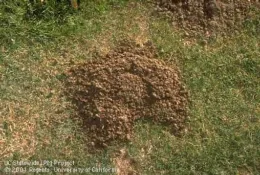
Have you ever watched a plant wiggle and then disappear underground right before your very eyes? That’s the work of a gopher. You don’t often see them because they spend most of their time in underground tunnels, but you see the damage they do by chewing on plant roots or irrigation lines. One way to distinguish them from other soil-dwelling vertebrate pests is by the crescent-shaped mounds of dirt they make when they dive back down. Fresh mounds of moist soil are an indication of recent activity.
They do not hibernate, so they are busy year-round. They can be eliminated through trapping and dispatching. Gophinator, Macabee, and Cinch traps specifically designed for gophers are the most commonly used. You can plant trees and shrubs in gopher baskets in the ground to protect their roots. You can also line the bottom of raised beds with hardware cloth to keep the gophers from burrowing up into the beds.
More information: Gopher Pest Note
Months: June July August Any Month
Tags: IPM Techniques Vertebrates Pests and Diseases
Green Waste or Compost
What items should go into neighborhood green waste collection and what should go into a compost pile? Yard trimmings like grass clippings, leaves, and dead plants—but no pet waste—go into green waste collection for commercial processing. Food scraps may or may not be accepted, depending on your city or waste collector. For home composters, collect green waste plus other organic materials like fruit and vegetable peelings, coffee grounds, and newspapers. But don’t include diseased plants. Even though heat is released during the decomposition process, the temperature is usually not high enough in home composting to kill pathogens.
More Information: Santa Clara County Composting Education Program
Months: Any Month
Tags: Best Practices Soil To-Dos
Houseplants Repotting
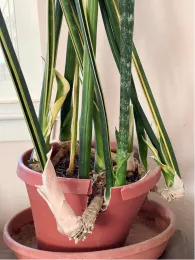
If you’ve noticed the soil in your houseplants is drying out quickly, or leaves are turning yellow, check whether the plant is rootbound. The most obvious clue is roots growing from a drainage hole or on top of the soil. Especially vigorous roots can break pots! UC scientists recommend choosing a new container no more than 2 inches larger in diameter, with drainage holes. Don’t add stones to the bottom — they hinder drainage, causing root rot. Use new potting soil, not garden soil that may harbor diseases or pests. Unwind and trim roots that circle the pot. Add soil to the container, keep the root ball an inch below the rim, and water well.
More information: Repotting Houseplants
Months: January February December Any Month
Tags: Garden Basics To-Dos
How to Attract and Maintain Pollinators in Your Garden
UC ANR has a publication titled “How to Attract and Maintain Pollinators in Your Garden” that discusses the benefits of providing flowers for pollinators and has a list of pollinator plants that are successful in most California gardens.
Months: Any Month
Tags: Beneficial Insects Best Practices Ornamental Plants What to Plant
Identifying Weed Seedlings
Winter rains are wonderful but they also bring winter weeds, and the sooner you deal with those, the better. In fact, pulling or hoeing them as soon as they sprout is both easy and effective. However, those young weeds may not bear much resemblance to their mature forms. To see a large number of weeds in their youthful forms, refer to the Common Weed Seedlings documents. With a little practice, you can train your eye to spot these weeds as soon as they pop up.
Months: January Any Month
Tags: Weeds To-Dos
Manage Pests with “Integrated Pest Management”

You see insects in your garden and your first reaction may be to reach for neem oil or other insecticides to kill off the little invaders. But wait! Chemical intervention may not work, might not be necessary, and may even kill off beneficial creatures that your garden needs. Instead, determine first whether the pest really is a pest. This UC plant diagnostic tool can help figure that out and provide mitigation options. Identification is a key element of Integrated Pest Management (or IPM), a process Master Gardeners suggest you use to solve pest problems while minimizing risk to people and the environment.
More information: What is IPM?
Months: Any Month
Tags: Disease Pests and Diseases
Moles
You and the moles will probably never see each other: they won’t see you due to very poor vision and you won’t see them because they live underground. But you will see the damage they do. Unlike gophers which eat plant roots, moles eat insects and worms. Yet they can do collateral damage to plant roots as they tunnel through in search of their preferred food. Plants can also suffer if the tunnels redirect water away from the roots when you try to irrigate. Moles create what look like mountain ridges as they tunnel through near the surface, and they leave behind round mounds of soil when they dive deep. The most effective way to manage them is to use traps specifically designed for moles.
Months: August Any Month
Tags: IPM Vertebrates Pests and Diseases
Mulch to Conserve Water
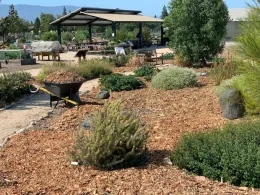
A 3 to 4 inch layer of mulch can reduce watering needs by as much as 50 percent. Mulch reduces water evaporation and keeps soil temperatures down during hot summer months. In addition, mulch reduces the number of weeds, makes it easier to control weeds that do grow, and protects the soil from compaction. A variety of mulches are available. Organic mulches such as arborist chips and bark nuggets break down and improve soil quality over time. You can find free wood chip mulch from local arborists by searching online, such as “free wood chips near me”. Place mulch away from the street curb to prevent heavy rains from washing it into storm drains. Also keep mulch away from the trunks of woody trees or shrubs to avoid decay problems.
More information: Mulching with Organic Materials
Months: April May June July August September Any Month
Tags: Best Practices Fruits & Nuts Ornamental Plants Trees & Shrubs Vegetables To-Dos
Neem Oil
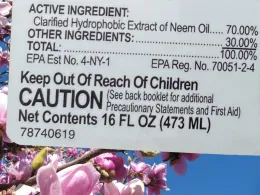
Neem products are derived from the neem tree, Azadirachta indica. But most neem products on the market lack the active insecticidal ingredient azadirachtin. Neem oil, called “clarified hydrophobic extract of neem”, is still effective as horticultural oil for smothering juvenile insects and may be effective in suppressing powdery mildew. But it won’t be effective in cases where azadirachtin is required. Like any horticultural oil, neem oil can potentially damage plants by burning their foliage and should be sprayed at dawn or dusk to protect bees and other pollinators. When using any pesticide, it’s important to reach an accurate diagnosis first and understand that no product helps solve every plant problem. Neem is not a cure-all.
More information: More about Neem
Months: Any Month
Tags: Best Practices Disease IPM Invertebrates Ornamental Plants Vegetables Pests and Diseases
Pest Alert - Spotted Lanternfly
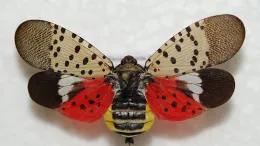
The California Department of Food and Agriculture (CDFA) is on the lookout for a new invasive species called the Spotted Lanternfly. It is native to China and was first detected in the U.S. in Pennsylvania. It can travel on packages and vehicles as well as plants and is a threat to our agricultural industry. Its preferred host is the Ailanthus altissima tree, or Tree-of-heaven, which is itself an invasive pest. It can also attack other landscape trees, fruit trees, grapevines, and roses. The insects suck the sap out of the plants and excrete a sticky honeydew which can, in turn, attract other pests and also promote the growth of sooty mold. The plants can weaken and die. While the spotted lanternfly hasn’t been found in California yet, early detection by the public can help keep it from spreading. If you spot this pest, please report it to the CDFA at 1-800-491-1899 or cdfa.ca.gov/plant/reportapest.
More information: Spotted Lanternfly
Months: Any Month
Tags: Invertebrates Pests and Diseases
Pet Safety in the Garden
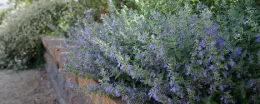
Poisonous plants are just one consideration if you have outdoor pets. There are several more serious threats to dogs, cats, chickens, and other family pets. At the top of the list are other critters; curious pets are often stung on the face by wasps and bees. Fertilizer is one of the many substances that can poison a pet; it can be ingested while still in the bag or after being freshly applied to the garden. Weed killers (herbicides), which are also included in some fertilizers, can cause acute or chronic symptoms ranging from lethargy or vomiting to cancer and death. Rat poisons (rodenticides) usually take a few days to take effect and in the meantime the sickened rodents can be eaten by cats or owls and other natural predators which could otherwise help control the population. All pesticides are designed to kill; it’s just a matter of dosage. The toxic chemical could be the active ingredient or it could be a filler, and the latter are not required to be listed on the label. The ASPCA Animal Poison Control Center phone number is (888) 426-4435.
More Information, the American Society for the Prevention of Cruelty to Animals (ASPCA):
Months: Any Month
Tags: Best Practices To-Dos
Plant Propagation
You can plant seeds to grow new plants, but you can also create new plants by taking cuttings of stems, leaves or roots. This is called asexual propagation. It creates an exact clone of the parent, allowing you to preserve and multiply your favorites for your garden. Using sterilized clippers, snip a stem section just below a node (where leaves attach). Place it in the proper growing medium or water to root and prepare for planting. Whether you plant seeds—perhaps saved from your summer garden—or use cuttings from plants you love, plant propagation will save money and expand your plant collection.
More information:
Months: Any Month
Tags: Fruits & Nuts Herbs House Plants Ornamental Plants Techniques To-Dos
Protecting California
Our Agricultural Commissioner, County Biologists, UC Master Gardeners, Cal Fire, and other interested parties are always on the lookout for new pests and diseases that can threaten our agricultural economy, our gardens, and our safety. As observant gardeners and residents we can also do several things to help. Do not transport plant material from other areas unless it has been inspected, approved, or otherwise deemed safe. This includes firewood, unpackaged seeds, fruits and vegetables, and green waste. Nursery stock is inspected and is considered generally safe. Obey any quarantines in effect. Report any suspicious pests to the Master Gardener Help Desk. Do not transport a sample to the office unless instructed to do so. Master Gardeners will help identify the pest and connect you with any appropriate agencies.
Months: Any Month
Tags: Best Practices IPM Pests and Diseases
Pruning Bougainvillea
You can prune at any time to shape or direct growth. If it is growing on a wall, cut back long stems to keep producing flowering wood. Hard pruning to renew the plant should be done in the spring after the last frost.
Months: April Any Month
Tags: Ornamental Plants To-Dos
Pruning Large Limbs
When cutting large limbs, take special care to prevent ripping of the limbs and trunk since a clean cut heals faster. Use a three-cut method for branches larger than 1-inch diameter. Step 1: make a cut halfway through the underside of the branch, a little past where you want the final cut. Step 2: move the saw to the top of the branch, a little further out on the branch, and cut the branch off. Step 3: make the final pruning cut close to the connecting branch or trunk, just outside the bark collar. For more helpful information view UCCE Tips for Pruning Citrus.
Months: February Any Month
Tags: Best Practices Techniques To-Dos
Pruning Tools Maintenance
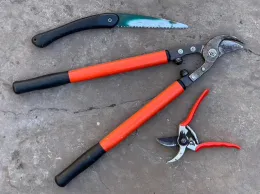
Remember to keep your pruners and loppers clean and sharp. Read our tool care tips webpage for advice about cleaning, sharpening, and sterilizing your tools.
Months: January February December Any Month
Tags: Best Practices To-Dos
Rat Management
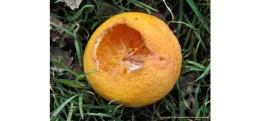
Have you found a hollowed-out orange or other sour fruit like Meyer lemons with no skins, tomatoes with bite marks, fruit with holes gnawed in them, or grape skins or cherry tomato skins scattered around? It is the work of a roof rat.
Rats show up when your citrus, tomato, or fruit first starts to ripen. Rats are agile climbers and usually live and nest in shrubs, trees, and dense ground cover like ivy. One management strategy is to prevent access to the tree by cutting branches away from fences or other trees, leaving a gap of at least 2 to 3 feet, good sanitation is required. Garbage and garden debris should be eliminated. Use tight-fitting lids on garbage cans. Thin out dense vegetation to make the habitat less desirable. Mow ivy once a year to the ground. Climbing ivies on fences or buildings should be removed.
Per the UC pest note (linked below), trapping is the safest and easiest method for controlling rats. Read the pest note for other management strategies as well.
More information: Rat Management
Months: January February March April July August September Any Month
Tags: Best Practices Disease Fruits & Nuts IPM Vegetables Pests and Diseases
Root Knot Nematodes
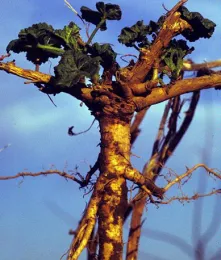
Root knot nematodes usually cause distinctive swellings, called galls, on the roots of affected plants. They can infest a wide variety of plants and easily spread via soil left on tools or shoes. Infested plants may not die but may be sickly or less productive. When you pull out your annual plants, inspect the roots, especially if they didn’t do well. Avoid spreading root knot nematodes by cleaning tools thoroughly. Consider letting an infested bed lie fallow for a season, or plant a cover crop next summer of French marigolds, which help suppress some nematodes.
More information: Nematodes Pest Note
Months: September October Any Month
Tags: Fruits & Nuts IPM Ornamental Plants Trees & Shrubs Vegetables Pests and Diseases
Slime Molds
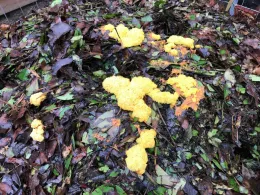
Slime molds come in a variety of colors and shapes. They often appear suddenly and look worrisome. According to the Mississippi State Extension, “when slime molds find something to eat, they surround their food and then swallow it. Slime molds may feed indirectly on dissolved substances escaping from organic matter, but they usually feed on microorganisms such as bacteria.” In general, no action is needed. They need moisture to grow and will disappear when the area dries out. Just enjoy this marvel of nature while it’s there.
Months: January February March April October November December Any Month
Tags: Best Practices Pests and Diseases
Soil Management - Compost vs Mulch
Many home gardeners are confused about the terms “compost” and “mulch;” frequently these terms are used interchangeably, but they are not really the same thing. Amend soil with compost to create soil that will retain water but still drain well enough for roots to have the air and water they need.
Benefits of compost
- Forms aggregate particles with clay
- Creates larger pore spaces for water & air
- Helps release nutrients from clay so that plant roots can absorb them
- Supports the soil foodweb by providing nutrients for the organisms
- Lowers pH somewhat
Benefits of mulch
Mulch does not get worked into the soil. It sits on top of your irrigation system and helps:
- Control weeds
- Prevent erosion
- Preserve soil moisture
- Keep roots cool and moist
Mulches, UC Integrated Pest Management
Months: March April May Any Month
Tags: Best Practices Soil Techniques To-Dos
Soil Temperature
Even a warm April day doesn’t mean your soil has given up its winter chill. Planting in cold soil results in slow germination, increased risk for rot from damping off, and even stressing plants for the rest of the season.
You can use a soil thermometer to check soil temperature directly by following the instructions provided here. UC lists soil temperature conditions for vegetable seed germination, or use our vegetable planting chart to look up the months best suited for planting.
Months: April Any Month
Tags: Soil Techniques To-Dos What to Plant
Squirrel Control
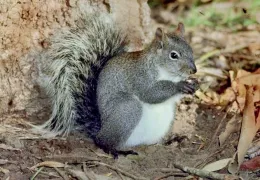
Squirrels are a common nuisance across Santa Clara County. They dig in pots, gnaw bark from plants, eat fruit and flower blossoms, and dig holes in yards. They are active during the day. Tree squirrels are distinguished from ground squirrels by their long bushy tails, lack of markings, and quick escapes up the nearest tree. They can be difficult to manage due to their persistence. Refer to the linked pest notes for options.
For more information: Pest Note on Tree Squirrels and Pest Note on Ground Squirrels.
Months: May June July August Any Month
Tags: Fruits & Nuts IPM Vegetables Vertebrates Pests and Diseases
Success with Houseplants
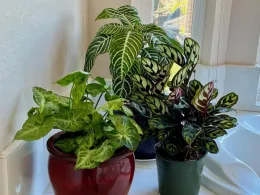
If you enjoy houseplants, Ernesto Sandoval, the Director of the UC Davis Botanical Conservatory can help. He has advice about selecting plants that tolerate the light and humidity levels of your home as well as tips about how to care for them. For instance: Overwatering is the number one killer of houseplants. Allow succulents to dry completely between watering. Water leafy plants that recover easily from wilting when they start to droop. For more information, including many useful tips, watch his video presentation: Growing Houseplants
Months: Any Month
Tags: Ornamental Plants To-Dos
Travel rules for plants, seeds, and flowers

If you’re planning international travel, and there’s a chance you might want to bring plant or food products home, a little research in advance might be useful. The USDA has collaborated with the states of California, Florida, and Texas to create a website that tells you what you are and are not allowed to bring back home. Some plant products require a permit or other documentation which can take up to 30 business days to process. The website has contact information if it doesn’t answer all your questions. Don’t risk bringing plant pests or diseases back home.
More information: Travel rules for plants and flowers
Months: Any Month
Tags: Disease Pests and Diseases
Trees Planted Too Deeply
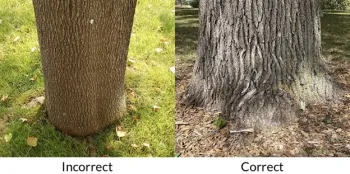
When you plant a tree or shrub, look for the root flare; it’s the point at the base of the trunk where the roots start. The soil should be at that level when you put the plant into the ground (or even into a new pot). Planting too deep can prevent the roots from getting the oxygen they need or cause the bark to deteriorate at ground level. Either can stunt plant growth, resulting in branch dieback or causing bark cracking. Don’t assume a container plant is at the correct level; you may need to remove soil to find the root flare.
More Information: Trees Planted Too Deeply
Months: Any Month
Tags: Ornamental Plants To-Dos
USDA Hardiness Zones
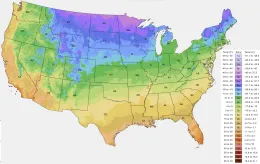
Planting zones help you select plants that are right for your garden. There are two systems, USDA and Sunset Western Garden.
USDA divides the US into hardiness zones based on average high and low temperatures. Most of Santa Clara County is in zones 9b and 10a. (link unavaialble)
Sunset makes many finer distinctions, taking into consideration rainfall patterns, ocean influence, and more. In the Sunset system, Santa Clara County is largely in zones 15, 17, and 17, with zone 14 in the South County valley, and some zone 7 for areas with more extreme highs and lows. Sunset zone maps: Central and South County and North County.
For gardening success, choose plants known to thrive in your zone.
Months: Any Month
Tags: Best Practices Fruits & Nuts Garden Basics Ornamental Plants Trees & Shrubs Vegetables What to Plant
Under the tree
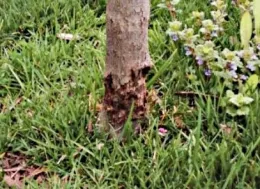
What’s happening under a tree can have a big impact on its success. Having a tree surrounded by a lawn is never ideal, mostly because of different watering needs. Grass needs frequent shallow watering, perhaps two or three times per week, while trees need infrequent deep watering, perhaps once a month. A tree with grass near its trunk can be injured by lawn mowers and weed trimmers, which then makes it easier for insects or diseases to enter the tree. Water from sprinklers can also damage the bark. Mulch under the canopy helps conserve moisture and reduce weed germination. Possible mulch materials are wood chips spread four to six inches thick or fallen leaves from a disease-free tree. Neither mulch, flowers, nor bushes should be close to the trunk because they can hold moisture against the trunk and cause crown rot, resulting in the slow death of the tree.
Months: Any Month
Tags: Best Practices Trees & Shrubs To-Dos
Using Mycorrhizae Inoculants
Mycorrhizae are symbiotic relationships between a fungus and a plant, in which fungal hyphae and plant roots interconnect and share resources. The plant provides the fungus with sugars and carbon, while receiving water and nutrients through fungal roots that extend far beyond the plant’s root zone. Inoculants have shown some benefit in sterile or fumigated soil, but are generally unnecessary for gardens, where well-adapted fungal spores are already present in the soil.
Additional Information: A Gardener’s Primer to Mycorrhizae
Months: Any Month
Tags: Soil To-Dos
Using Pesticides
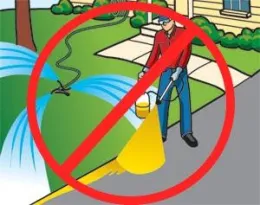
If you’re going to use a pesticide, it’s important to know when and how to apply it. A pesticide is any material used to control pests. This includes homemade concoctions with dish soap, hot peppers, or vinegar, as well as store-bought insecticides, herbicides, and fungicides. Following best practices for usage and disposal will help keep you and the environment safe. For an in-depth look at pesticides, watch this UC webinar on Understanding Pesticides.
Alternatively, reduce your use of toxic chemicals by using integrated pest management methods to solve garden problems. Identify the target pest, use non-chemical practices first, as recommended in the UC Pest Notes. If you need a chemical treatment, only purchase and use what you need.
More information: Proper use of pesticides
Months: Any Month
Tags: Weeds To-Dos
Vegetable Planting Chart
Wondering what vegetables can be planted now? To get the best success—whether planting from seed or transplants—refer to our Santa Clara County Vegetable Planting Chart. It’s based on our own garden experiences.
Months: February March May June July August October Any Month
Tags: Best Practices Garden Basics Herbs Techniques Vegetables What to Plant
Vinegar as Weed Control
Vinegar can work as a weed killer, but its effectiveness is limited. Household white vinegar (5% acetic acid) is too weak to kill anything other than tiny seedlings. Stronger horticultural vinegars with 20% acetic acid provide better weed control but typically only for annual, not perennial, weeds. And the higher concentration can be dangerous—including skin burns and eye injury—if not handled carefully. For comprehensive guidance on weed management in landscapes, refer to the University of California’s Weed Management in Landscapes recommendations.
Months: Any Month
Tags: Techniques Weeds To-Dos
Weed Management
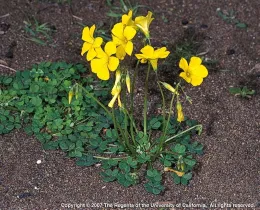
While some weeds are edible (purslane, nettles, dandelions, miner’s lettuce), many are a nuisance and compete with your chosen plants for water and nutrients.
Whichever variation of “One year’s seeds makes seven years’ weeds” you prefer, the truth remains: a key part of weed control is not letting them go to seed. For best results, work on removing weeds before they are able to propagate. Hand pulling and hoeing are effective methods for killing many common weeds.
Knowing what kind of weeds you have and how it propagates can be helpful in choosing the best management method. If they propagate by seed, pull or hoe them before they flower and go to seed. If they re-grow from roots, pull up as much of the root as possible. Many weeds, like Bermuda grass, have multiple ways of multiplying. Only non-propagating parts are advisable to throw in the compost bin.
More Information: UC Quick Tips on Weeds in Landscapes
Months: January February March Any Month
Tags: Best Practices IPM Weeds To-Dos
Weed Spotlight - Filaree
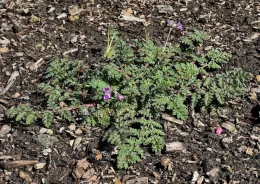
You may have noticed a highly prolific, rosette-shaped weed lately. Filaree ( Erodium spp.) plants start out as low growing plants that can form a dense mat in open areas. They create bright pink flowers that turn into angled seed pods resembling a stork’s head and beak, giving the plant one of its common names: storksbill. The spiral-shaped seeds explode out from the plant in late spring, drill into the soil with changes in humidity, and germinate with next year’s rains. Recommended control methods include hoeing, hand pulling, and several inches of organic mulch.
More information: Filaree
Months: April May June Any Month
Tags: Best Practices Weeds To-Dos
Weed Spotlight - Mallows
Winter rains bring cheerful-looking plants whose heart-shaped leaves beguile gardeners into thinking they are simple weeds that are easy to pull. But beware. These plants are mallows (also called cheeseweeds) and underneath the innocent leaves of mature plants lie deep, thick, woody taproots that are hard to remove with garden tools. They even interfere with heavy farming machinery! Remove young plants with four or fewer true leaves right away. You can also add 3 inches of organic mulch to suppress seedlings.
For more information: Managing Mellows
Months: Any Month
Tags: Best Practices Weeds To-Dos
Weed Spotlight - Spotted Spurge
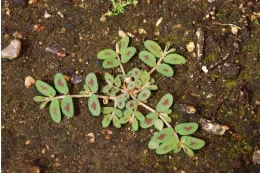
This annual weed is native to the eastern US but is now common in home gardens here in California. Spotted spurge germinates at temperatures as low as 60ºF and is often found in open areas, sidewalk cracks, and thin lawns. It forms a dense mat of foliage that grows radially from a central taproot. Left unchecked, each plant can grow to 3 feet across and can produce thousands of seeds. The seeds need light to germinate, so a 2-inch cover of mulch usually provides effective control. Pull weeds when you see them, removing the root to prevent regrowth. Use gloves to avoid contact with the white sap which can irritate skin.
For more information: Spotted Spurge Management Guidelines
Months: March April May June Any Month
Tags: Best Practices Weeds To-Dos
Will Pine Needles Acidify My Soil?
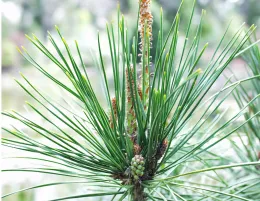
The short answer is no; this is a common garden myth. While it’s true that pine needles are acidic when they drop from the tree, even a thick layer won’t make much difference in your soil pH. They break down naturally and the microbes (decomposers) in the soil neutralize them. In fact, pine needles are a good mulch material because they tend not to form a dense mat, they stay in place during heavy rain, and they take longer to break down than other organic mulches.
More Information: Ten Garden Myths
Months: Any Month
Tags: Soil To-Dos