Abutilon

Chinese lantern, Chinese bellflower, flowering maple

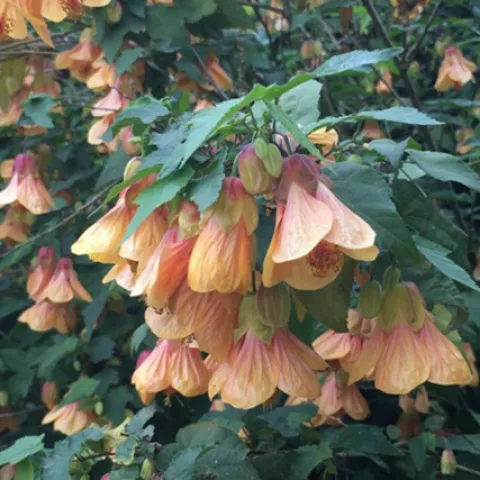
Abutilon is a beautiful shrub with maple-like leaves and flowers that resemble papery lanterns. Common names include Chinese bellflower, flowering maple, and Chinese lanterns. The flowers are very attractive to hummingbirds and butterflies. Abutilon comes in many shades, including white, red, orange, yellow, and pink – and some combinations. This plant is native to warm regions of the world, including many areas of South America, Cuba, and Florida. It requires little to moderate water and performs in full sun, especially in cooler areas, but prefers some shade in hot climates. Abutilon is not picky about soil, but needs good drainage. It is not bothered by any significant insect or disease issues.

Depending on the variety, this attractive plant is upright and branching. It can grow 8 to 10 feet tall and will become a bit rangy if you don’t prune it back once a year. For best results, cut back branches selectively for shape and make cuts just above a node or on a strong shoot near the base. Flowers are borne on branch tips. Some Abutilon, like this ‘Halo’ variety, flower year-round. Abutilon can be grown in containers; just be sure to keep the soil evenly moist. It can be grown from seed, but the varieties seen in nurseries are typically propagated by cuttings.
Not sure which Abutilon to try? Check out these common varieties.
Winter – A great time to shop bare root


Considering adding fruit trees or roses to your landscape in 2025? Winter is an ideal to shop! While you won’t find apples hanging from the boughs or roses in full bloom, you will find a large assortment of plant varieties to choose from, usually at lower prices than those in pots.
What is a bare root plant?
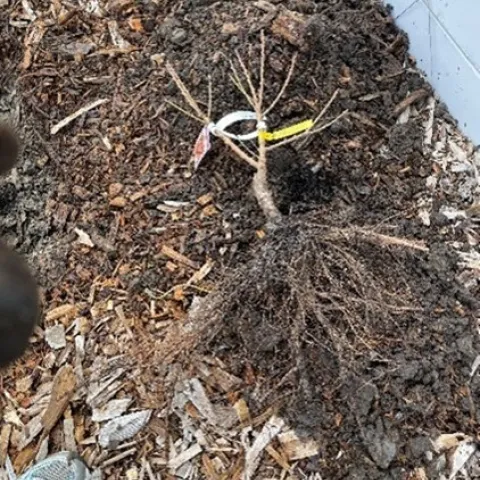
Bare root plants are dormant plants with all foliage and soil removed. The plants are harvested in the fall and are full of starch reserves that provide energy as they emerge from dormancy. They are light and transportable, making them easier to handle and plant, and are generally less expensive.
When are they available?
Bare root plants are readily available from late December to early March, both at your local nursery and in mail-order catalogs. Shop early for best selection.
Why should I shop bare root?
Two of the best reasons to shop for bare root include the wide variety of plants available and the usually lower cost per plant. Shipping weight of a soilless plant is considerably lower, and nurseries have far more space to accommodate a variety of neatly packaged roots than rows of 5-gallon containers filled with soil.
Tips for buying bare root plants
Most local nurseries will display the canes or trunks with colorful photos of a mature plant in its full glory. They will also keep the root section in damp peat moss or other mulch. When selecting a plant, feel it for weight. A well-hydrated plant will feel heavy for its size. Beware lightweight, heavily packaged plants with no visible signs of moisture. Dried out roots may compromise your plant’s ability to mature. Also, avoid any roses with canes coated in paraffin. Some suppliers feel that this thin layer of wax protects the canes, but it can also slow the development of the bud eyes.
Be prepared to care for your bare root plant once you have it at home. Do not let the roots dry out or freeze. Keep the roots moist (but not wet) by wrapping them in damp paper towels, moist sawdust, or other similar material. Store them in a cool, dark place like a garage or basement until you are ready to plant them.

A hedge of Sally Holmes roses can be grown from bare root plants this winter. Roses: With so many varieties of roses, do a little homework before you shop. Where do you want to plant the rose? Are you looking for a climber, an upright bush, or a container-size miniature? How much room do you have for the rose to grow? Study the websites of the American Rose Society or Marin Rose Society’s Good roses for Marin. Be informed before you shop.
- Fruit trees: Plan ahead. Determine where you want to plant your tree(s) and make sure you have ample space. Review irrigation and climate needs for the type of tree you are considering. Learn more about selecting and growing fruit trees.
How to plant a bare root plant

Keep the plants hydrated and soak the roots for one to two hours before planting. Inspect roots and remove any dead, diseased, broken, or twisted roots. Dig a hole, place 3 to 4 inches of loose soil under the roots, and spread the roots out before backfilling with soil and watering thoroughly. Learn more about planting bare root.