UC Marin Master Gardeners

Summer 2025

Primary Image
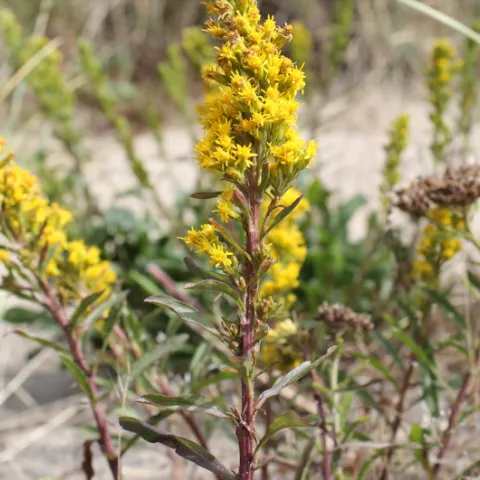
Coast goldenrod
UC Marin Master Gardeners: Article

Goldenrod (Solidago): a beam of sunshine for the summer-fall garden

June 9, 2025
Goldenrod (Solidago) is a striking California native perennial that’s easy to grow in sunny gardens. A member of the Asteraceae (sunflower) family, it is recognizable by its masses of bright yellow flowers that bloom profusely in late summer and fall. The cheery blooms are a delight in the garden as many…
View Article

Vine maple

Primary Image
Acer circinatum
Body

Vine maple
Acer circinatum

Image
Acer circinatum
Photo: BLM, Flickr

Vine maple is a California native deciduous tree or shrub that typically grows 10 to 20 feet tall. In sunny settings it grows bushy and upright, but in shadier locales it spreads and sprawls closer to the ground. Vine maples grow moderately slowly. They prefer moist, shady settings, but they also thrive in sun. As a result, they are seen both in the understory of taller forest trees as well as in open ground. These beauties grow in damp woods along streams from British Columbia to northern California, typically within 185 miles of the Pacific Ocean. 

Fantastic foliage

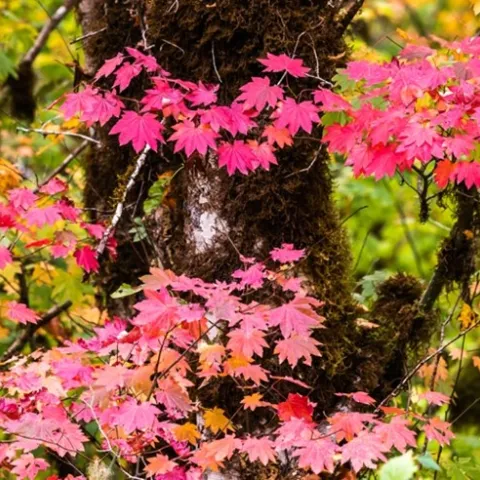
Fresh, new springtime foliage emerges with reddish tones and then morphs to a vibrant green as it matures. In fall, vine maples grown in the sun glow with brilliant red, orange, and yellow colors. There are a number of striking cultivars that exhibit beautiful foliage or eye-catching combinations of foliage and bark. ‘Pacific Fire’ has bright red stems that contrast magnificently against crisp green leaves. ‘Monroe’ has finely cut leaves that turn yellow to bright red. Dwarf cultivars include ‘Little Gem’ with particularly small leaves and ‘Sunglow’ with orange-peach tones in spring that fade to chartreuse in fall. Because of these highly desirable traits, these shrubs and trees are often used in place of Japanese maples. 

Image
Vine maple leaves
Photo: BLM, Flickr

Key to success: rich soil and regular water

Acer circinatum prefers slightly acidic soil amended with organic matter. It can tolerate a range of soil types, including clay, as long as it’s well-draining. Water deeply after planting and provide regular water, especially during extra dry periods. Prune sparingly to maintain its naturally graceful shape. The best time to prune is in winter or very early spring. 

Image
maple tree in forest
Photo: Flickr, USFWS
Image
green maple leaves
Photo: Creative Commons
UC Marin Master Gardeners
Primary Image
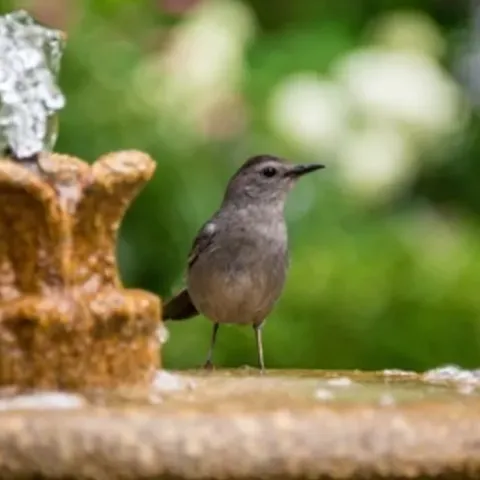
bird at birdbath
UC Marin Master Gardeners: Article

Gardener's checklist for summer

June 11, 2026
More heat, less water. This year it's more important than ever to keep a layer of mulch in the garden, pluck water-hogging weeds, and thin fruit on fruit trees. Keep up with garden chores for your best summer garden ever.
View Article