
The Triple-Threat Landscape:
Growing Summer Blooms for Bouquets, Bees, and the Kitchen
By Delise Weir
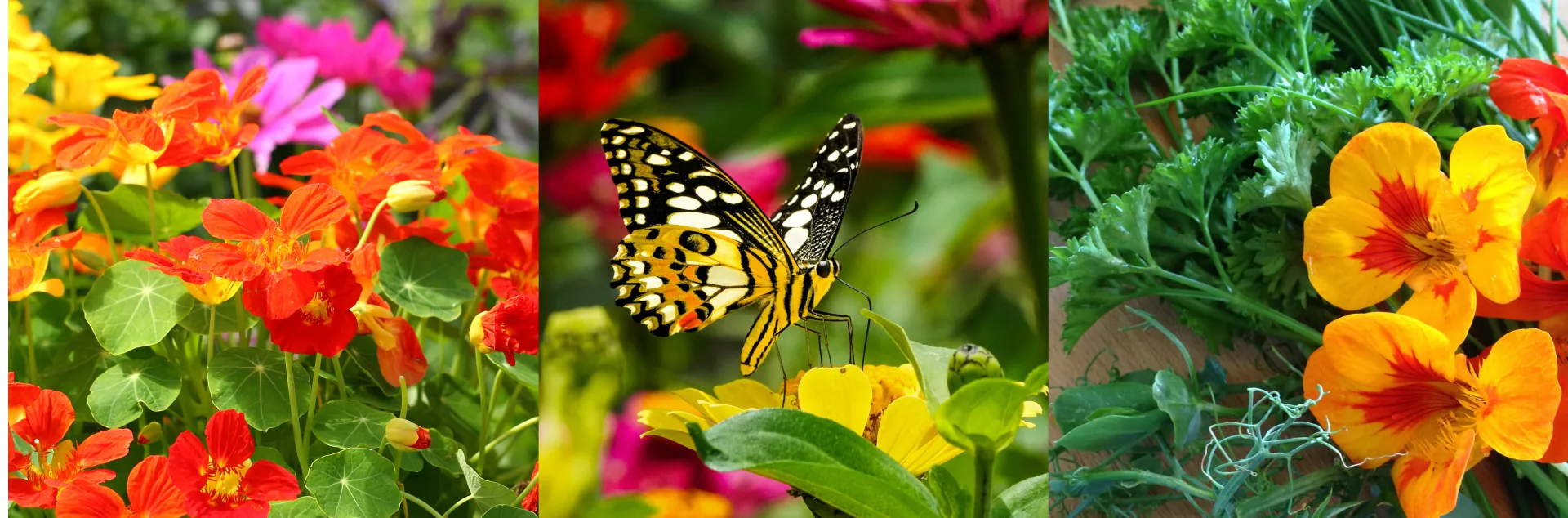
There is a unique joy in stepping out into a summer garden that is vibrantly alive. Imagine cutting a fresh, structural bouquet for your dining table, plucking a handful of peppery blossoms to toss into a midday salad, and watching a flurry of bumblebees and butterflies dart between the petals—all within the same afternoon.
As gardeners, we often feel pressured to choose a single lane: do we plant an ornamental cutting garden, a high-yielding vegetable plot, or a native wildlife sanctuary? The wonderful truth is that you don't have to partition your goals. By strategically planting multi-purpose summer flowers and functional crops, you can design an ecologically rich landscape that serves your home, your kitchen, and local wildlife simultaneously.

1. The Cut Flower Paradox: Beauty that Gives Back
For a long time, traditional gardening advice suggested that cutting flowers takes away resources from local wildlife. However, the modern cutting garden proves that you can have your bouquets and feed the bees, too. The key insight is that many of our favorite vase fillers are also powerhouse nectar and pollen sources.
When planning your landscape layout, consider the anatomical preferences of your local garden visitors:
· Native Bees & Bumblebees: They gravitate toward open, flat, or daisy-shaped flowers. Excellent dual-purpose options include Cosmos, Zinnias, Scabiosa (pincushion flower), Yarrow, and Echinacea. Heirloom, pollen-rich Sunflowers are spectacular; a single head can feed hundreds of native solitary bees (like mason or leafcutter bees) as tiny florets open progressively across its face.
· Butterflies: These winged beauties require bright colors and broad, flat "landing pads" or tight clusters where they can securely perch while feeding. Zinnias, Cosmos, and Mexican Sunflowers (Tithonia) provide ideal rest and fuel stations.
· Hummingbirds & Moths: Hummingbirds are drawn to tubular, nectar-rich red, pink, and orange flowers like Salvia, Snapdragons, and Bee Balm (Monarda). Meanwhile, nocturnal moths seek out white or pale, highly fragrant blooms with deep nectar spurs—such as tobacco flowers or evening primrose—that open as the dusk cools.
Harvesting Tip for a Shared Bounty: To balance your bouquets with insect health, harvest your flowers in the early morning before pollinators become fully active. Leave newly opened flowers for at least a day before cutting, and never strip a variety completely clean—always leave a healthy percentage of blooms behind to keep the backyard ecosystem thriving.
2. The Hardest Working Crops: Edibles that Feed Pollinators
Your backyard grocery aisle can effortlessly double as a pollinator sanctuary. Many of our most popular garden crops rely heavily on insect pollination to cross-pollinate, set seed, and produce fruit. By allowing certain edibles to flower or planting robust companion crops, you provide a massive feast for beneficial insects.
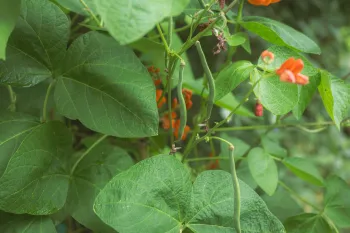
· Legumes (Beans and Peas): Vegetables like runner beans, snap peas, and fava beans produce intricate, hooded blossoms that are highly attractive to heavy-bodied pollinators. Bumblebees are especially fond of runner bean flowers because they possess the strength required to push open the petals and reach the nectar hidden deep inside. Crucially, legumes also host symbiotic rhizobium bacteria that fix atmospheric nitrogen into the soil, drastically improving earth health for future seasons.
· The Carrot Family (Apiaceae): If you let herbs like dill, coriander (cilantro), parsley, and bronze fennel bolt and go to flower, their lacy, flat-topped umbrella clusters (umbels) will hum with life. Not only do the flowers taste like a milder, sweeter version of the parent herb—perfect for gourmet garnishes and pickling—but they also serve as critical host plants for black swallowtail butterfly caterpillars.
· The Alliums: Chives and garlic chives are incredibly resilient perennial additions. In mid-to-late summer, garlic chives burst into highly ornamental, starry white clusters that attract hordes of honeybees, while bringing a sharp, savory garlic punch to summer stir-fries and salads.
· Vibrant Annual Ornamentals: Bachelor’s-buttons (cornflowers) reseed freely and offer brilliant blue petals that can be dried for tea or used in baking. Nasturtiums feature ultra-sweet nectar favored by hummingbirds, while the spicy, peppery blossom itself adds a beautiful kick to summer salads. Borage (aptly nicknamed "bee bread") features drooping blue stars with a cool cucumber flavor. A single borage plant can produce nearly 1,000 nectar-dense flowers across a season, regenerating its nectar supply every few minutes!
3. Inviting the Dynamic Duo: Pollinators and Predators
By diversifying your garden with these multi-purpose plants, you establish a self-regulating biological ecosystem. The blooms you plant will attract two essential groups of beneficial insects:
1. The Pollinators: Bumblebees, native solitary bees (like mason or leafcutter bees), butterflies, and moths. They handle the heavy lifting of transferring pollen between flowers, helping your backyard vegetables, orchard fruits, and berries reproduce and yield a significantly heavier, well-formed harvest.
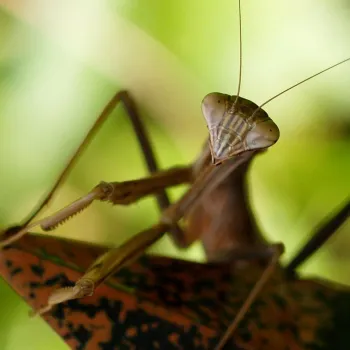
2. The Predators: Nature's built-in pest control. Ladybugs (and their voracious, spiky larvae), green lacewings, assassin bugs, praying mantises, and dragonflies will gladly patrol your flower beds. They hunt, ambush, and devour destructive, soft-bodied pests like aphids, mealybugs, thrips, and spider mites, keeping your plants pristine without the need for synthetic intervention.
🌱 How to Attract & Keep Beneficial Insects
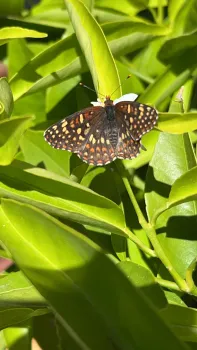
· Stagger and Vary Your Blooms: Keep blooms staggered throughout the seasons so bugs always have a source of pollen and nectar. Mix early spring builders like calendula or sugar peas with mid-season sages and runner beans, and round out the year with late-summer buckwheats, goldenrods, and asters. Good companion plants include sweet alyssum, dill, yarrow, sunflowers, and marigolds.
· Stop Spraying Chemicals: Broad-spectrum insecticides make no distinction between a destructive aphid and a helpful ladybug; avoiding chemicals is paramount. Wiping out your beneficial insects alongside the pests traps you in an endless cycle of chemical dependency.
· Provide Water & Shelter: Set up a shallow dish filled with pebbles and water so they can drink deeply without the risk of drowning. Furthermore, resist the urge to over-tidy your garden in the fall. Leave dead, hollow stems from wild flowers standing through the winter—they serve as crucial nesting and hibernation sites where native solitary bees build chambers for their young.
The Multi-Purpose Plant Selector Matrix
Use this comprehensive reference guide to select the perfect triple-threat varieties for your summer garden design. Many of these selections pull double, triple, or quadruple duty across your landscape.
*Not too late to start from seed in June
Plant Name | Edible | Pollinator | Soil Quality | Cut Flower | Primary Landscape & Ecological Benefits |
Sunflower* | ✓ | ✓ | ✓ | ✓ | Seeds are edible; dynamic accumulator pulls up deep nutrients; major pollen/nectar producer. |
Runner Bean* | ✓ | ✓ | ✓ | — | Fixes nitrogen via roots; gorgeous red blossoms are a magnet for heavy bumblebees. |
Borage* | ✓ | ✓ | ✓ | — | "Bee bread" fills nectar rapidly; deep taproot brings up subsoil minerals; cucumber-flavored blooms. |
Nasturtium* | ✓ | ✓ | — | ✓ | Entire plant is edible (peppery taste); acts as a trap crop for aphids; draws hummingbirds. |
Bronze Fennel | ✓ | ✓ | — | ✓ | Host plant for Black Swallowtail caterpillars; umbrella flowers attract predatory wasps and hoverflies. |
Marigold* (French) | ✓ | ✓ | ✓ | ✓ | Root exudates suppress harmful root-knot nematodes; beautiful long-lasting companion flower. |
Sweet Alyssum* | ✓ | ✓ | — | — | Flowers smell of honey; number one plant for attracting pest-devouring hoverflies and lacewings. |
Dill* | ✓ | ✓ | — | ✓ | Umbel blossoms feed tiny beneficial predatory insects; classic culinary herb and pickling spice. |
Yarrow | ✓ | ✓ | ✓ | ✓ | Medicinal/tea use; deep mining taproot accumulates copper, phosphorus, and potassium; great dried vase flower. |
Chives* | ✓ | ✓ | — | ✓ | Early spring purple pom-pom blooms provide vital food for emerging bees; delicious savory leaves. |
Garlic Chives | ✓ | ✓ | — | ✓ | Late-summer white clusters feed native solitary bees when other forage options are scarce. |
Snap Pea | ✓ | ✓ | ✓ | — | Spring nitrogen fixer; delicate white/pink blossoms attract early wild bees. |
Calendula* | ✓ | ✓ | ✓ | ✓ | Edible resinous petals used in skin salves and salads; deep roots condition soil; long-season nectar. |
Annual Buckwheat* | — | ✓ | ✓ | — | Excellent, fast-growing summer cover provides clouds of white flowers, scavenges phosphorus, suppresses weeds and loosens topsoil. |
Zinnia* | — | ✓ | — | ✓ | Premium cut flower with exceptional vase life; broad flat heads are prime butterfly landing pads. |
Cosmos* | ✓ | ✓ | — | ✓ | Petals add bright color to salads; open daisy structure allows easy access for native bees and lacewings. |
Bee Balm (Monarda) | ✓ | ✓ | — | ✓ | Leaves make delicious bergamot tea; spectacular tubular flower heads are highly prized by hummingbirds. |
Crimson Clover* | ✓ | ✓ | ✓ | ✓ | Superb cover crop that injects massive nitrogen into soil; flowers make beautiful accent cuts and herbal teas. |
Echinacea (Coneflower) | ✓ | ✓ | — | ✓ | Roots/leaves used in teas; structural center cone feeds native bumblebees and later goldfinches. |
Coriander* (Cilantro) | ✓ | ✓ | — | — | Bolting stalks yield intensely aromatic white lace blossoms loved by beneficial predator bugs. |
Bachelor's-Button* | ✓ | ✓ | — | ✓ | Stunning electric blue petals hold color well when dried for confections; heavy nectar producer. |
Lavender | ✓ | ✓ | — | ✓ | Culinary oil and baking use; aromatic foliage repels pests while blooms draw endless honeybees. |
Scabiosa (Pincushion) | — | ✓ | — | ✓ | Exquisite wiry stems for fine bouquets; frilly outer petals act as a magnet for native solitary bees. |
Anise Hyssop* | ✓ | ✓ | — | ✓ | Licorice-flavored leaves and spires; consistently ranked in top most frequented pollinator flowers. |
Salvia (Culinary Sage) | ✓ | ✓ | — | ✓ | Essential kitchen herb; spikes of deep blue or purple flowers are highly attractive to bumblebees. |
Sources & External Resources
1. Ambitious Harvest: Cut Flowers for Pollinators
2. Good Times Santa Cruz: Designing a Functional Pollinator Garden
3. Longwood Gardens: How Edible Plants Feed Pollinators Too
4. Nurture Native Nature: 18 Edible Herb Flowers to Grow for People and Pollinators
5. National Botanic Garden of Wales: Top 50 Edible Plants for Pollinators