
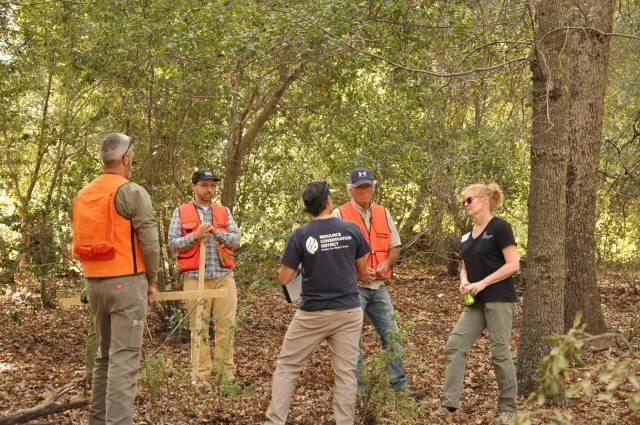
Stretching from San Diego to the Oregon border, California’s oak woodlands are valued for their beauty and utility. UC ANR’s Forest Stewardship team has compiled this resource guide as a reference point for land stewards to learn about their oak woodlands.
Interested in oak identification? Best management practices? Seeking to diagnose a dying tree crown? Take a moment to browse the publications, guides, and other online resources listed here- and if your question remains, ask an expert at ucanr.edu/site/uc-oaks.
Taking care of your oak woodlands
Private landowners occupy an important role in oak woodland stewardship. Actively managing this ecosystem can result in multiple benefits- for example, thinning a crowded grove can stimulate tree growth, encourage wildlife, and increase wildfire resistance beyond property lines. Resources in this section will be useful for:
Building out management priorities (see Oak Woodlands Management, White and Black Oak management newsletter + webinar)
Learning about oak woodland benefits, resources, and compatible native plants (see Living Among the Oaks)
Looking for species characteristics and identification information (see Healthy Forests: Blue Oak Woodland, UC Oaks)
Healthy Forests: Blue Oak Woodland | US Forest Service research brief
Living Among the Oaks | Management guide (pdf)
Oak Woodlands Management | YouTube playlist (10 videos)
Summer Branch Drop in Oaks | Blog
UC Oaks | Website
White and Black Oak management | Newsletter
White and Black Oak management | Webinar (1 hr 55 min)
Disturbance (pests and disease)
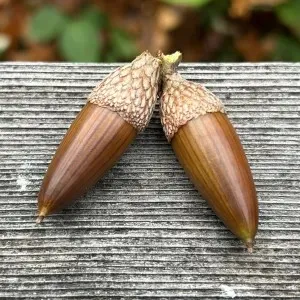
Managing for insects and disease starts with keeping a sharp eye on your oak stands. Catching a pest or pathogen early can be instrumental for halting its spread. Keep a look out for loose bark, leaf loss, changes in leaf color, dead and dying branches, or any out of the ordinary fungal growth- these are all signs that a tree is under stress. Resources in this section will be useful for:
Identifying pests and pathogens (see A Field Guide to Insects and Diseases of California Oaks; Gold Spotted Oak Borer website; Threats to Oak Woodlands)
Getting involved with public monitoring efforts (see Gold Spotted Oak Borer website)
A Field Guide to Insects and Diseases of California Oaks | US Forest Service field guide (pdf)
Gold Spotted Oak Borer | Website
Threats to Oak Woodlands | Website
Regeneration
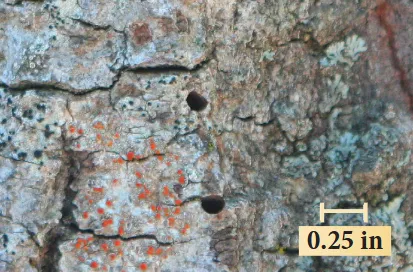
Like other management activities, a regeneration project should be considered as one piece of a larger strategy. To help yourself decide whether to plant new oaks, ask yourself questions like: Am I happy with current tree cover? Am I seeing recruitment already? Is there enough recruitment? Historically, did this site support greater cover? Resources in this section will be useful for:
Understanding acorn collection, stump sprouting, seedling planting, and other regeneration concepts (see Oak Regeneration website; Regenerating Rangeland Oaks in California)
Learning about the role of cultural fire (see Degradation and restoration of Indigenous California black oak)
Managing trees and resprouts post-fire (see Burned Oaks; Recommendations for managing oak and hardwood resprouts)