UC Cooperative Extension San Benito County provides research-based programs in agriculture, natural resources, 4-H youth development, and community education.
Across California, the University of Californias 64 Cooperative Extension offices are local problem-solving centers. We are the bridge between local issues and the power of UC research. Our county-based staff is part of the community we live and work in the areas we serve.
What Are Nematodes? Nematodes are predominantly tiny aquatic roundworms that thrive in nearly all environments on Earth. They are the largest group of multicellular species in the animal kingdom, making up about four-fifths of animal life on Earth. Some species are parasites of humans or animals.
ATTENTION 25-26 RETURNING VOLUNTEERS!!! NEW REQUIREMENT! YOU MUST BE FULLY ENROLLED (INCLUDING ONLINE COURSE) BY DECEMBER 1, 2025 or you will not be able to continue holding project meetings! Stanislaus County 4-H You can now submit your enrollment fees For the 2025-2026 Year via online…
Welcome to the Amador County 4-H Program! We are proud to have over 200 youth members and adult volunteers enrolled in local 4-H community clubs who provide a wide variety of learning experiences. Our goal is to engage young people in reaching their fullest potential, all while advancing the field of youth…
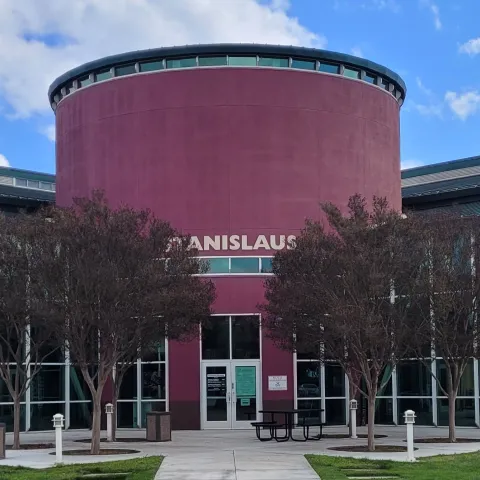
WelcomeThe University of California Cooperative Extension in Stanislaus County is part of a nationwide system of off-campus education, based on a three-way partnership among the County Board of Supervisors, the University of California, and the U.S. Department of Agriculture. U.C. Cooperative Extension…
Prepared by: Thomas Harter and Jay R. Lund (Principal Investigators) Jeannie Darby, Graham E. Fogg, Richard Howitt, Katrina K. Jessoe, G. Stuart Pettygrove, James F. Quinn, and Joshua H. Viers (Co-Investigators) Dylan B. Boyle, Holly E. Canada, Nicole DeLaMora, Kristin N.
The 2024 Advances in Pistachio Production Short Course will be held November 5-7, 2024 at the Visalia Convention Center. REGISTER NOW! Please direct questions to UC ANR Program Support Unit.
ANR uses various types of vehicles in its daily operations. These vehicles may be University-owned, leased, provided by our County partners, or acquired through the Federal Excess Property Program.
Learn about the development of Hopland Research and Extension Center’s (HREC) grazing plan for virtual fencing, grazing planning for wildfire preparedness, and using virtual fencing for grazing on public lands. You will also hear from producers at Hopland REC about their experiences with virtual fence…
August 15 – Cut Flower Arranging & Posy Making 💐Learn how to turn fresh garden blooms into beautiful arrangements! Join us for a hands-on workshop featuring simple flower arranging techniques and charming posy making.📅 Saturday, August 15 ⏰ 9:00–10:00 AM 📍 UC Master Gardener Learning Garden, Yuba-Sutter…
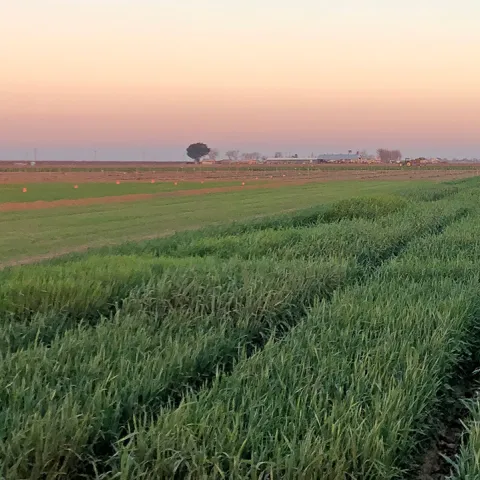
UC research shows farmland could remain viable if farmers plant winter grain crops. When managed properly, small grains can grow during the cool season, using little irrigation.
July 18 – Tomato Tasting & Peppers: The Hot Topic 🌶️🍅Do you love garden-fresh tomatoes and peppers? Join the UC Master Gardeners for a fun morning of tasting, learning, and discovering what makes these summer favorites shine!📅 Saturday, July 18 ⏰ 9:00–10:00 AM 📍 UC Master Gardener Learning Garden, Yuba…
Davrina Rianda joined the Nutrition Policy Institute at the University of California, Agriculture and Natural Resources on July 1, 2026 as a postdoctoral scholar and Assistant Project Scientist. Davrina graduated with her PhD in Nutritional Biology from UC Davis in June, with an emphasis in global…
Overall child diet quality in the U.S. is low compared to national recommendations in the Dietary Guidelines for Americans. A recent study suggests more availability of fruits and vegetables and less availability of sugar-sweetened beverages in children's homes is associated with better dietary intakes…