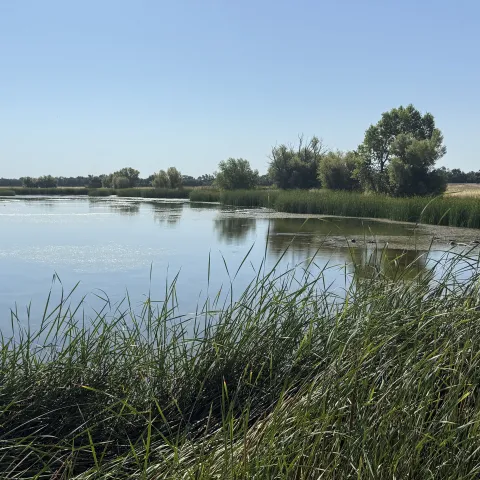
Article by Lorie Hammond - Many of us drive between Davis and Woodland for work, pleasure, or to go to Costco! The experience of traversing County Road 102 between these towns is utilitarian at best. For a delightful surprise, take a half-hour deviation and turn east on County Road 25A…
Blog article by Jenni DodiniMy first encounter with Lewisia was at the Botanic Gardens in Reykjavik, Iceland. I was mesmerized, but alas, Fairfield doesn't have the same climate as Iceland. Honestly, though, at the time we were in Iceland in June, it was much the same as a nice day in San Francisco. …
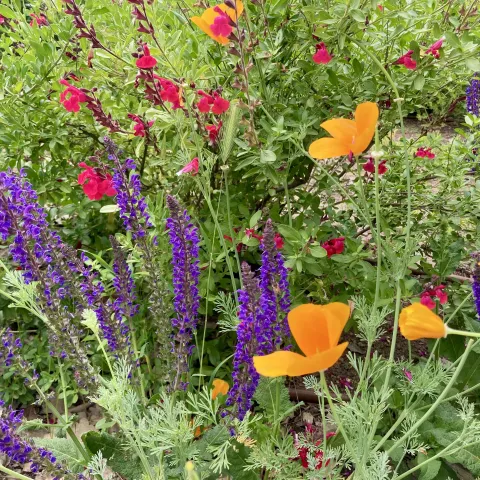
Preserving natural ecosystems and the native food web isn’t only for large swaths of undeveloped land. A new movement encourages suburban and urban residents to create habitats for birds, insects and wildlife by growing native plants in their yards. By foregoing part of the lawn, removing a few non…
Native plants have the ability to survive in the worst of times and thrive during the good times. They require less care, less water and can make spectacular flower displays.TasksUse Bacillus thuringiensis (Bt) to control petunia bud worms and tomato horn worms.Watch for pests and treat if necessary.Be sure…
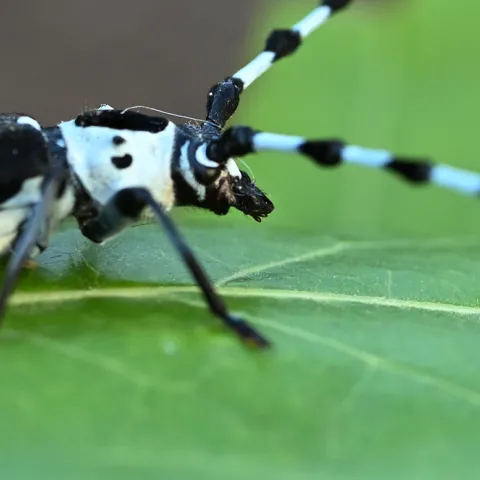
What's that bug?If you're painting your house, a mural, or your vehicle, you have a better chance of seeing it.Vacaville artist Joi McNeill, who is painting a mural on a building in the 300 block of Merchant Street, Vacaville, saw one today. She's working on a mural that includes the Old Town Hall, a…
Houseplants are amazing! They brighten up your home and bring nature indoors. But sometimes, a pest makes an appearance. Enter the pesky little fungus gnat. Fungus gnats (Orfelia and Bradysia species) can be quite a nuisance. These dark, tiny (1/16 to 1/8 inch long) almost delicate-looking flies…
Emerald Star Application Process(Historic Record Book Project)Eligible Years: 2025–2026 and 2026–2027 Eligible Ages: 13–18 years oldThis Emerald Star opportunity is designed for 4-H members completing the Historic Record Book Project. Applicants must demonstrate leadership, planning, and follow-through to…
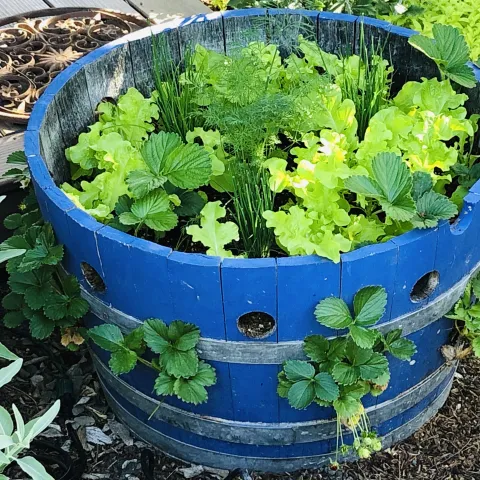
Want to grow your own food and reduce your waste? Join the UC Master Gardeners at Fuller Park for a hands-on workshop on how to grow fruits, veggies, and herbs in a container garden – perfect for small spaces! You’ll learn the fundamentals, including how to select the right container, soil, and plants. Plus,…
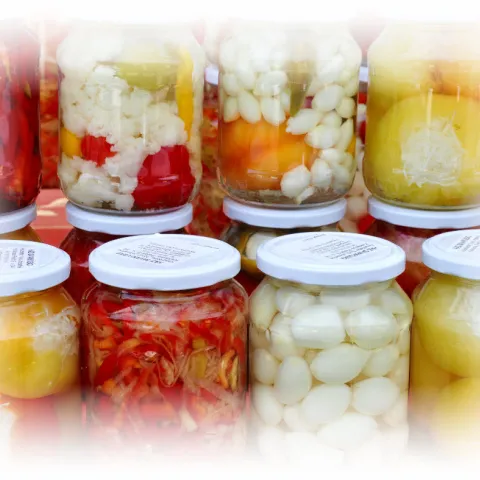
This class is taught by the UC .Master Food Preservers of Orange County. Learn how to process your food safely and proper storage methods.The first 36 participants will receive a jar and sachet of pickling spices to take homeCYPRESS LIBRARY5331 Orange Ave ,Cypress, CA 90630714-826-0350