
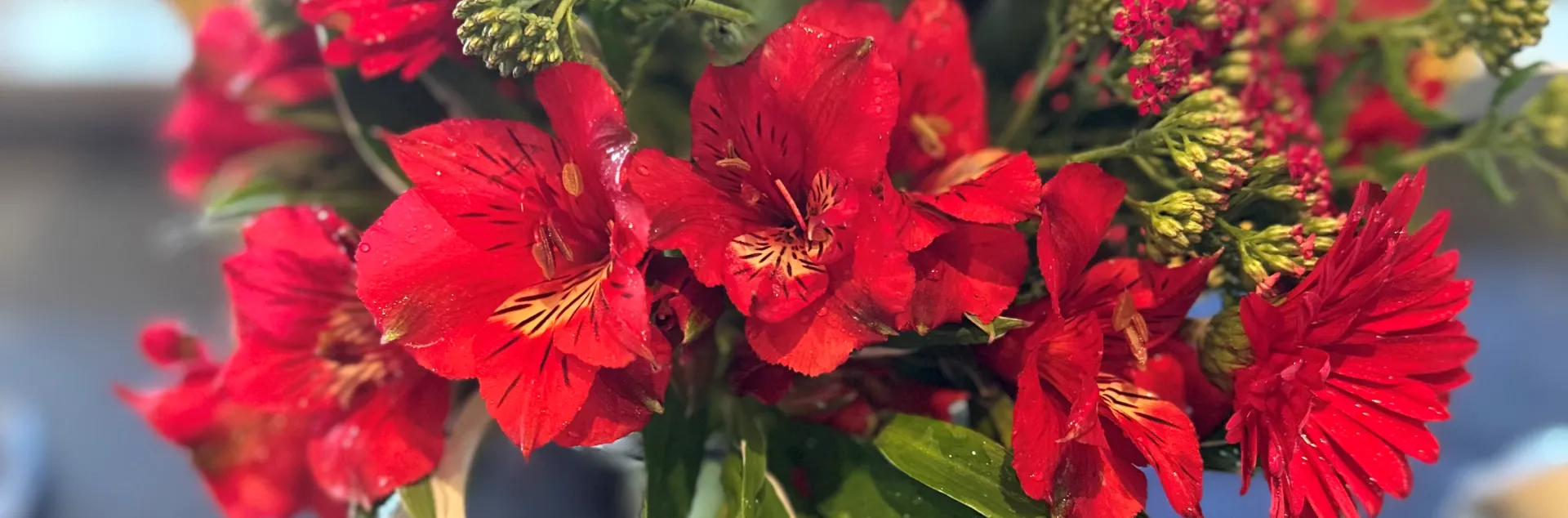
A thoughtful flower-cutting garden design can support both biodiversity and beauty all season. Employing a mix of native and drought-tolerant Mediterranean flowering plants can create opportunities for floral designs for months and attract pollinators all year round. Fall is an ideal time to start your cutting garden planning.
Assess and design your site
Before making your list of plants for cutting flowers, decide how much space you have to devote to your cutting garden. Assess how much sunlight you have during the day. Most cutting flowers require a minimum of 6 to 8 hours of sun and an open area not influenced by trees with large root systems or standing water. Take into consideration the amount of wind and rain in your location.
Test the soil, amend the soil, and install irrigation
Obtain a soil test kit from a local garden center to analyze the necessary organic elements for optimal growing. After seeing the results, add the proper amendments to balance any deficiencies or excesses and till them into your soil. Make sure the soil has proper drainage. Install irrigation lines or provide soaker hoses.
Create pollinator-friendly ecosystems
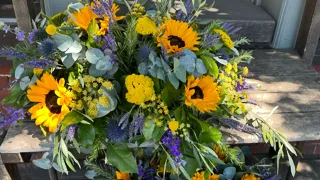
To build a cutting garden ecosystem that also supports birds, bees and butterflies, select a variety of native plants that bloom throughout the year. Natives thrive locally and supply nectar and pollen essential for pollinators. Avoid pesticides and provide nearby water sources like shallow birdbaths with stones in them so butterflies, smaller birds and bees can rest while drinking.
Popular native plants for cutting blooms are Salvia, Achillea millefolium (Yarrow), Penstemon, and Rudbeckia californica (Black-eyed Susans), which are low maintenance and bloom mid-summer through autumn.
Non-native ornamentals
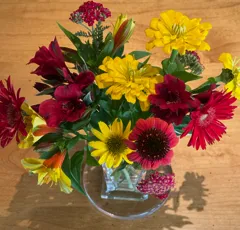
Alstroemerias grow from underground rhizomes and are a perennial cutting garden favorite. They last in a vase for 2-3 weeks if water is changed daily.
Colorful Gerbera daisies are considered tender perennials in moderate climates, but bloom as annuals in cooler zones. They are available in vibrant colors from yellow, to orange, red, pink, lavender, salmon, white, and cream. Deadheading extends their life in the garden. When in the vase, clip the ends when you see the stems turning brown to lengthen vase life.
If you sow successive crops of Zinnias, you will have blooms every 2-3 weeks all summer. When Zinnia plants get 18” tall, clip out the center flower buds to strengthen the outer growth.
Plant and harvest Snapdragons once the lower two to three flowers have opened to ensure a vase life of 7–10 days.
Add Dahlias to your mix. They bloom until frost. Plant the tubers in full sun after the ground is at least 60º. Put tubers in planting holes horizontally 4-6” deep with the eye pointing upward. Water when you see the first growth, then water regularly. Pick the blossoms when they are fully open, since they don’t unfurl much after cutting for an arrangement.
Other details to create cutting garden success
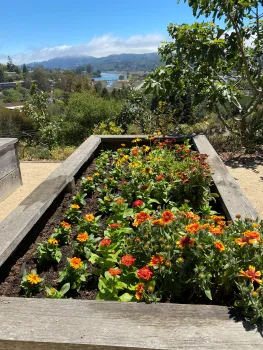
To ensure a constant supply of cutting flowers combine early bloomers with later blooming varieties.
Group plants by height and bloom times to maximize sun exposure. Use organic gardening practices and integrated pest management to protect pollinators.
Harvest flowers with clean shears in the early morning hours when the flowers are most hydrated. Before arranging flowers in a vase or container, remove the leaves that touch the water and add floral food powder to the vase to extend plant life.
Enjoy your birds, bees, butterflies, and blooms!
By Jill Fugaro, October 3, 2026