
Why Acid-Loving Plants Are Worth Growing
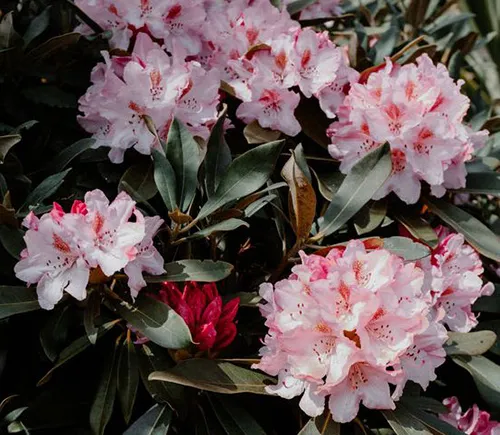
Are you captivated by the brilliant colors of azaleas, the intoxicating fragrance of gardenias, or the spectacular blooms of hydrangeas? Azaleas, which are native to several continents, have long been treasured for their spectacular spring displays. California is even home to its own native species, the California azalea (Rhododendron occidentale), renowned for its fragrant white to pink blossoms.
If you have admired these garden favorites from afar, thinking these acid-loving plants might be difficult to grow, you'll be pleased to know that success is largely a matter of proper soil preparation and site selection. With a few simple steps, you can create a beautiful, thriving garden filled with acid-loving plants.
Test Your Soil and Water First
The first step is to test your soil and water. An inexpensive soil test kit from a local nursery will tell you whether your soil is acidic, neutral, or alkaline. Acid-loving plants generally prefer a soil pH between 4.5 and 6.5. In contrast, many Contra Costa County soils tend to be slightly acidic to moderately alkaline. Soil pH is important because it can affect nutrient availability and the activity of beneficial soil microorganisms. When the pH is too high, sensitive plants may struggle to absorb essential nutrients, resulting in yellow leaves, poor growth, fewer flowers, and, in severe cases, plant decline. Keep in mind that irrigation water can also neutralize the soil; that’s why it is critical to check your pH.
Choosing the Right Location
Once you understand your soil conditions, choose a planting location carefully. Most acid-loving plants thrive in areas that receive morning sun and afternoon shade, with protection from strong winds and frost. Good drainage is essential, as these plants generally dislike wet feet. Northern and eastern exposures are often ideal, although many gardeners find success in other locations when soil conditions are favorable.
Building Healthy, Acidic Soil
The real secret to growing healthy acid-loving plants is building rich soil filled with organic matter and providing the nutrients these plants need to thrive. Before planting, work generous amounts of compost into the soil. Acidic organic materials such as pine needles, oak leaves, composted bark, and even coffee grounds can help create the slightly acidic conditions these plants enjoy. Avoid adding lime or wood ash, which can raise soil pH and make conditions less favorable. A 0-10-10 fertilizer will boost bud production. Azaleas have low nutritional requirements, so only a surface application of fertilizer is needed.
The Benefits of Mulching
Mulch is another valuable component. A two- to four-inch layer of pine bark, redwood mulch, oak leaf litter, or pine needles helps conserve moisture, keep roots cool, suppress weeds, and gradually improve the soil as it decomposes.
Growing Acid-Loving Plants in Containers
Often, gardeners choose to grow acid-loving plants in containers because it is much easier to control soil pH in a pot than in garden soil, especially in Contra Costa County, where heavy clay soils are common and can make pH management more challenging. If you're growing acid-loving plants in containers, the basic soil preparation remains the same, with a few important considerations. Container soil should remain slightly acidic, cool, consistently moist, and well-aerated so roots can thrive.
Unlike plants growing in the ground, container plants dry out more quickly and generally require more frequent watering, especially during warm weather.
To avoid both under- and overwatering, periodically check soil moisture with a moisture meter, an inexpensive tool available at most hardware and garden centers. Monitoring moisture levels helps ensure that roots receive the steady supply of water they need without becoming waterlogged.
Popular Acid-Loving Plants for the Garden
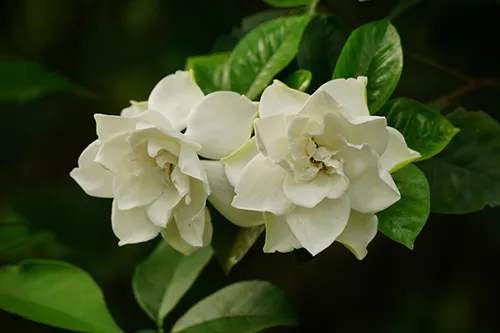
Many gardeners are surprised to learn how many plants prefer acidic soil. Popular ornamentals include hydrangeas, azaleas, rhododendrons, gardenias, Japanese iris, ferns, and Japanese iris.
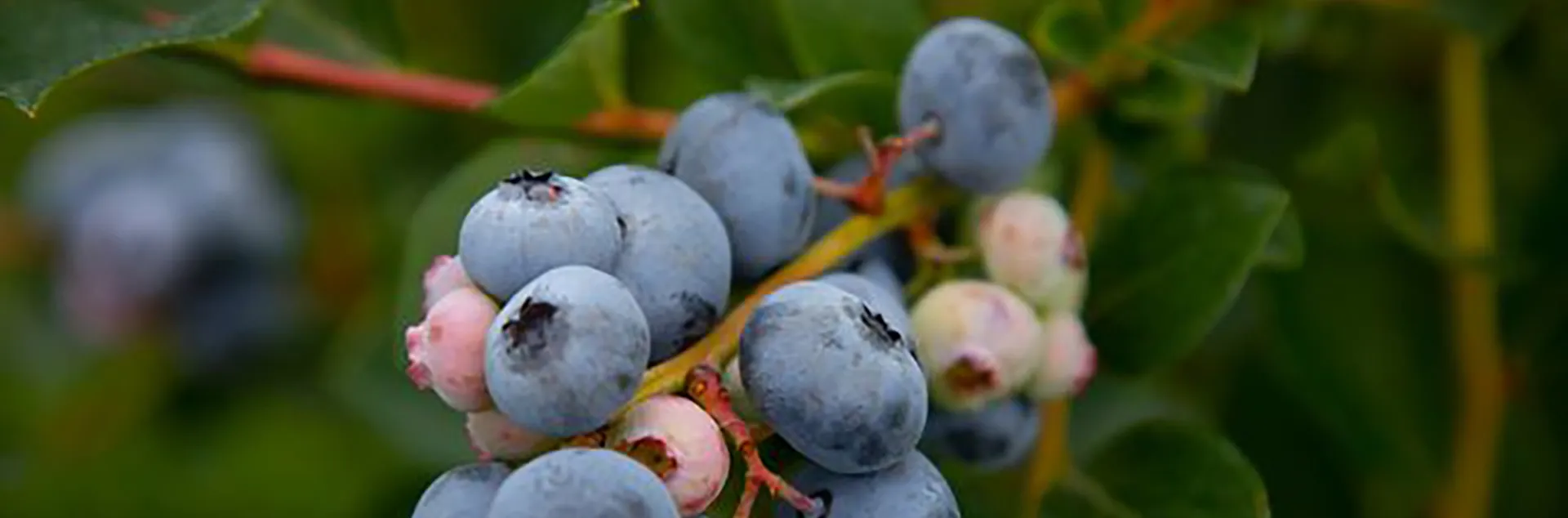
Edibles such as blueberries, cranberries, huckleberries, and raspberries also thrive in acidic conditions.
Even trees such as magnolias, pines, spruces, and some oaks appreciate slightly acidic soil.
With thoughtful preparation and a little ongoing care, acid-loving plants can become some of the most rewarding additions to your garden, providing vibrant flowers, lush foliage, and even delicious harvests for years to come.
References
Our Helpdesk also posted a blog on acid-loving plants earlier this year