
Tiny Hitchhiker, Big Problem:Glassy-Winged Sharpshooter Alert
The California Department of Food and Agriculture (CDFA) and county agricultural officials are responding after glassy-winged sharpshooters (GWSS) were found on grapevine shipments sold at select Costco locations in Northern California between April 21 and May 19.
The glassy-winged sharpshooter (Homalodisca vitripennis) is an invasive insect that feeds on many types of plants. It is a serious concern because it can spread Xylella fastidiosa, the bacterium that causes Pierce’s disease, a fatal disease of grapevines.
Why does this matter?
Early detection is critical. Preventing glassy-winged sharpshooter from spreading helps protect home gardens, local landscapes, and California agriculture, including vineyards.
What should you do if you purchased one of these plants?
If you purchased a grapevine from Costco between April 21 and May 19:
• Keep the plant isolated and away from other plants
• Do not plant it if it is still in a container
• Do not move it, return it, compost it, or place it in the trash
• Contact your County Agricultural Commissioner’s Office for guidance
Agricultural inspectors can help identify the pest and provide instructions for safe handling.
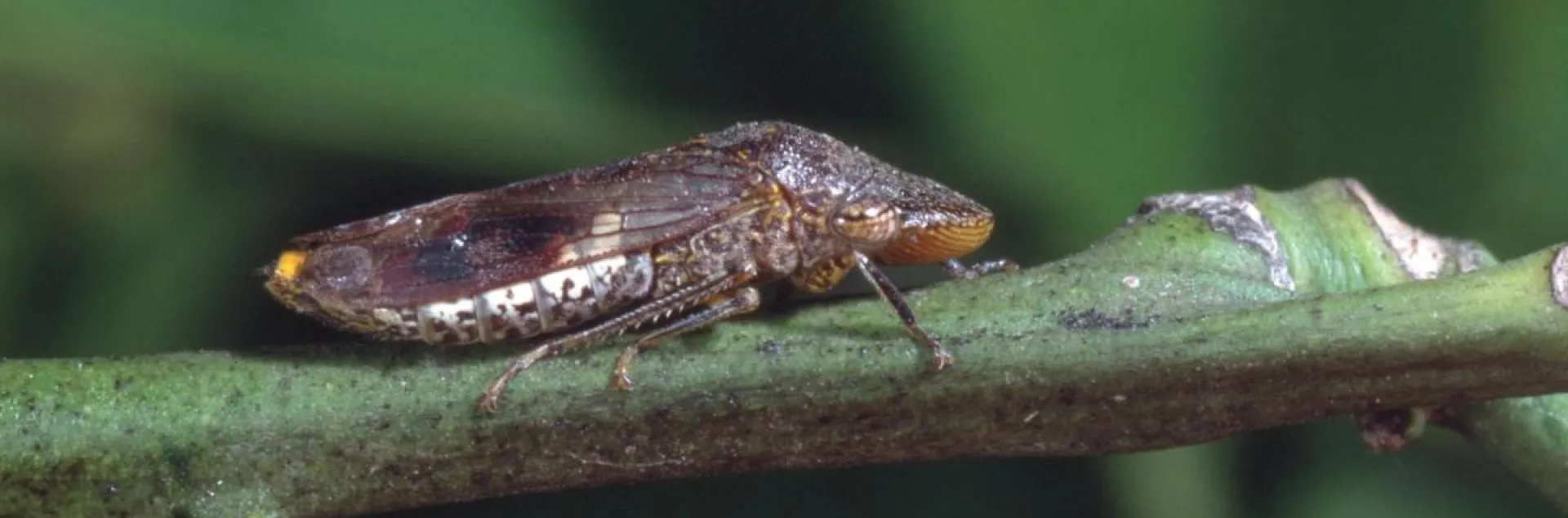
What does glassy-winged sharpshooter look like?
Adult glassy-winged sharpshooters are about ½ inch long, dark brown to black insects with partly transparent wings. Eggs are laid in groups on the underside of leaves and may appear as small greenish blisters or tan/brown scars after hatching.
Learn more:
Salinas Valley Agriculture Response
UC IPM Glassy-Winged Sharpshooter Information
GWSS Identification Brochure (English)
Folleto de identificación de la chicharrita de alas cristalinas (español)
If you think you have found glassy-winged sharpshooter, do not move the plant. Note where and when it was found and contact your local County Agricultural Commissioner.