Agriculture

Primary Image
UC Davis doctoral candidate Brendon Boudinot edited a special collection of articles published Nov. 12 in the journal, Insect Systematics and Diversity. (Photo by Jill Oberski)
Entomology & Nematology News: Article

Brendon Boudinot Edits Special Collection, 'Current Techniques in Morphology'

November 12, 2019
By Kathy Keatley Garvey
Doctoral candidate Brendon Boudinot of the Phil Ward lab, UC Davis Department of Entomology and Nematology, edited a special collection of articles published today (Nov. 12) on Current Techniques in Morphology for the Entomological Society of America journal, Insect Systematics and Diversity (ISD).
View Article
Primary Image
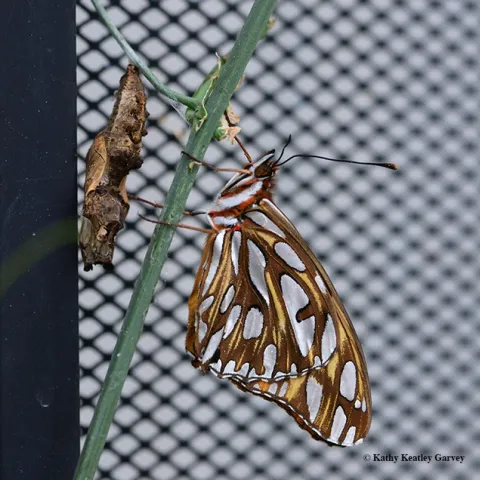
A Gulf Fritillary, Agraulis vanillae, ecloses in Vacaville, Calif., on Nov. 11, Veterans' Day. (Photo by Kathy Keatley Garvey)
Bug Squad: Article

A Quiet Veterans' Day

November 11, 2019
By Kathy Keatley Garvey
It's Veterans' Day, and after paying tribute to the military veterans (my ancestors have fought in all of our nation's wars, dating back to the American Revolution--and my other half is a U.S. Air Force veteran), I slip out the back door to our pollinator garden to see where the insect action is.
View Article
Primary Image
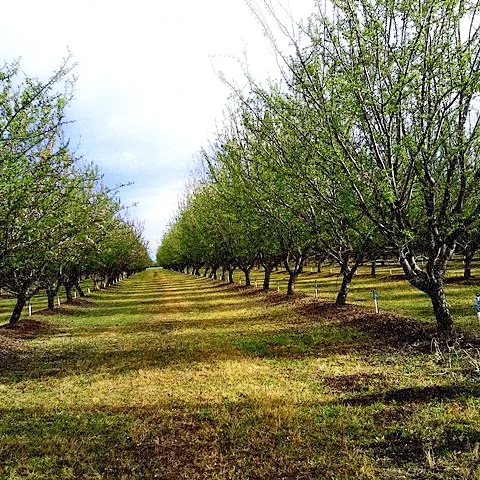
Figure 1. Post-harvest in an almond orchard one month after harvest. Micro sprinklers have started the germination of some winter weeds such as filaree and annual bluegrass. While tough to control (semi-) perennials such as threespike goosegrass and Italian ryegrass remain after this year’s management program.
UC Weed Science (weed control, management, ecology, and minutia): Article

Increase your return on investment with post-harvest orchard weed scouting

November 11, 2019
By Gale Perez
Why scout for weeds? While weeds are present in every orchard, there is variation in the weed species composition and density from orchard to orchard. Scouting for weeds is the basis for a good Integrated Weed Management (IWM) plan.
View Article
Primary Image
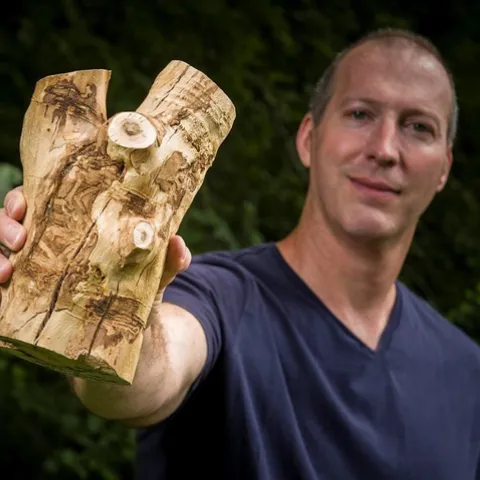
Wright State biology professor Don Cipollini earlier discovered that the emerald green ash borer targets the white fringetree, Chionanthus virginicus, native to the savannas and lowlands of the southeastern United States. Later he and fellow researchers discovered it also infests an olive tree species. (Photo by Chris Snyder)
Bug Squad: Article

The Emerald Ash Borer Doesn't Just Target Ash Trees

November 7, 2019
By Kathy Keatley Garvey
The emerald ash borer, a wood-boring beetle native to northeastern Asia and now invasive in much of the United States, doesn't just target ash trees. The jewel beetle engages in host shifting.
View Article
Primary Image
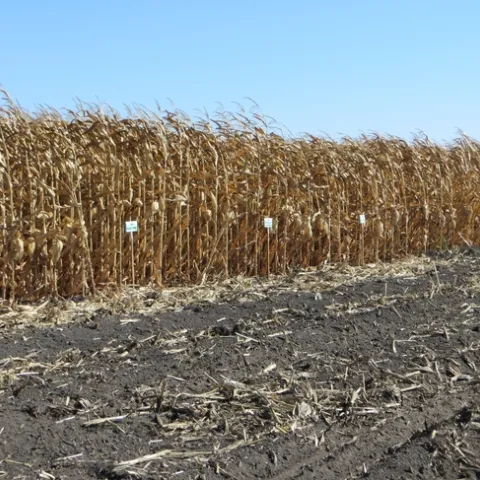
Figure 1. Delta field corn variety trial.
SJC and Delta Field Crops: Article

2019 Field Corn Variety Trial Results

November 7, 2019
By Michelle M Leinfelder-Miles
The results of the 2019 UCCE Delta field corn variety trial (Fig. 1), located on Tyler Island, are presented in Table 1. Three replicate blocks of fourteen varieties were planted on May 7th by air planter.
View Article
Primary Image
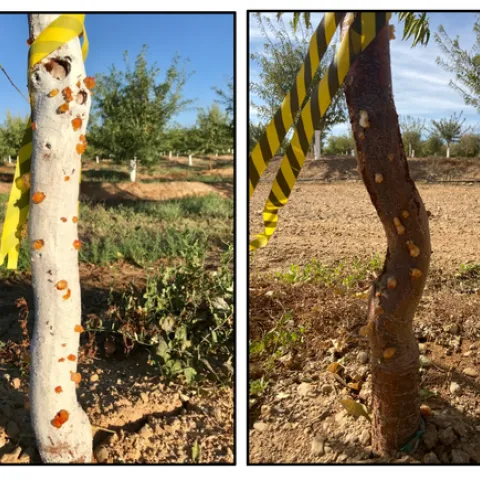
Figure 1. The images above illustrate different levels of trunk gummosis observed in the field when comparing old paint (left) vs. no paint (right).
UC Weed Science (weed control, management, ecology, and minutia): Article

Can trunk paint mitigate herbicide damage in young almond trees?

November 7, 2019
By Gale Perez
In order to prevent herbicide damage in young trees, especially from postemergence herbicide, standard pomological practice is to apply white latex paint to the bottom 2 to 3 feet of trunk of newly planted trees, before applying herbicides.
View Article