Forests

Primary Image
A drought-tolerant garden bed of California poppies, Ceanothus, and Watsonia. Photo by Tina Saravia, UC ANR.
Pests in the Urban Landscape: Article

Drought or Disease?

September 26, 2022
By Belinda Messenger-Sikes
With ongoing drought and local water restrictions in place in many areas of California, you may start to see landscape plants suffering from stress caused by a lack of water, calledwater stress. Water-stressed plants can have symptoms that resemble diseases caused by plant pathogens.
View Article
Primary Image
Thinning canopy is an early sign of Bot canker. [Credit: J. Downer]
Pests in the Urban Landscape: Article

Bot Canker: Have You Heard of It?

July 28, 2022
By Karey Windbiel-Rojas
Ever heard of Bot canker? "Bot" stands for Botryosphaeria which is a plant disease that results in cankers of trees and other woody plants. This fungal disease can be worse under drought conditions when trees are stressed.
View Article
Primary Image
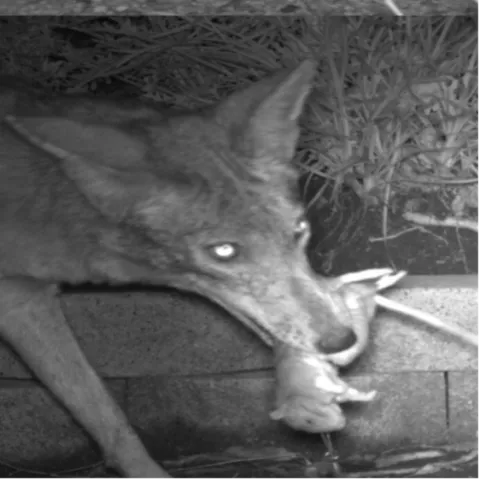
Figure 1. A coyote scavenging a dead rat in a suburban backyard. Photo by game camera.
Pests in the Urban Landscape: Article

Rats, Rodenticides, and Research

June 20, 2022
By Niamh M Quinn
Where is rodenticide exposure in wildlife coming from? Is it from use by residents or farmers? Applications by marijuana growers? Or from applications by qualified and trained structural pest control professionals?
View Article
Primary Image
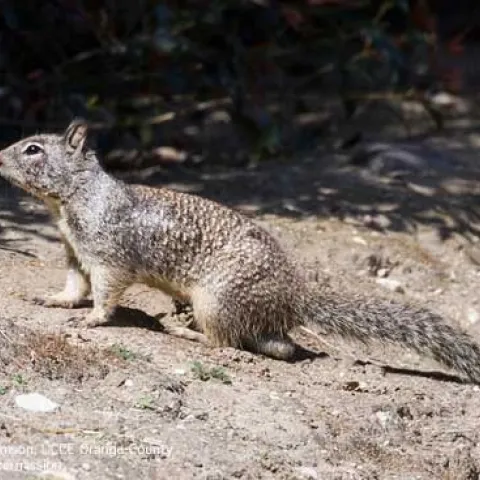
Brownish gray adult squirrel on dirt with its tail outstretched.
Pests in the Urban Landscape: Article

Squirrels: Topic for Webinar on May 19

May 18, 2022
By Karey Windbiel-Rojas
If you are battling with ground squirrels or tree squirrels around your home or property, join us on Thursday, May 19 at noon for UC IPM's one-hour seminar on Squirrels! Dr.
View Article
Primary Image
Pecking damage by woodpeckers.[Credit: James Jay Farrar]
Pests in the Urban Landscape: Article

Woodpeckers fact sheet updated

May 1, 2022
By Karey Windbiel-Rojas
Woodpeckers are well known, colorful birds often found in wooded neighborhoods and forested areas.
View Article
Primary Image
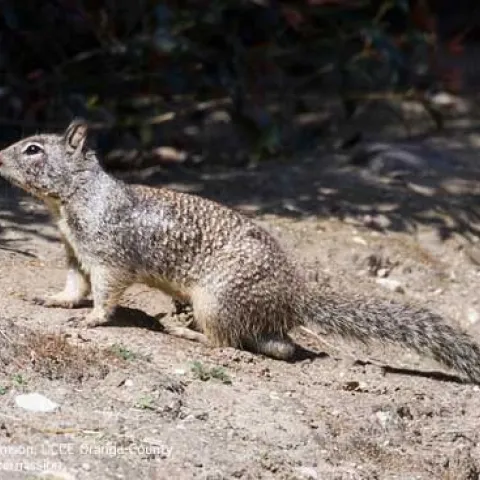
A California ground squirrel on dirt.
Pests in the Urban Landscape: Article

Summertime California Ground Squirrel Management

August 4, 2021
By Niamh M Quinn, Carolyn Whitesell
Summer is upon us so what does that mean for California ground squirrel management? As a practitioner of IPM, you are likely aware that effective ground squirrel management requires an integrated approach, including knowledge of pest biology.
View Article
Primary Image
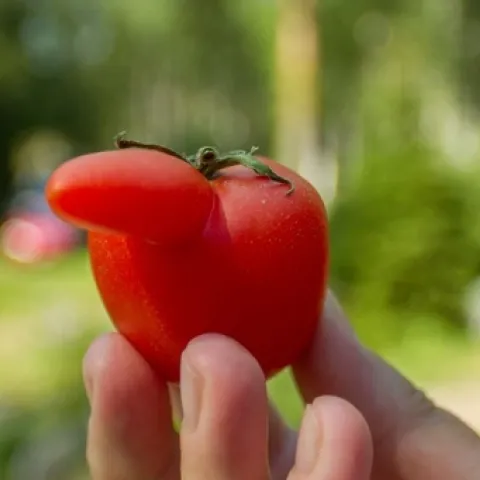
Horn/nose development on tomato fruit (Credit: N Volesky)
Pests in the Urban Landscape: Article

Abiotic Problems of Tomato

July 11, 2021
Originally published in the Summer 2021 issue of Utah Pest News. Many problems that gardeners experience with tomato plants are not related to insect pests or diseases. Rather, they are associated with adverse growing conditions due to the environment or production practices.
View Article
Primary Image
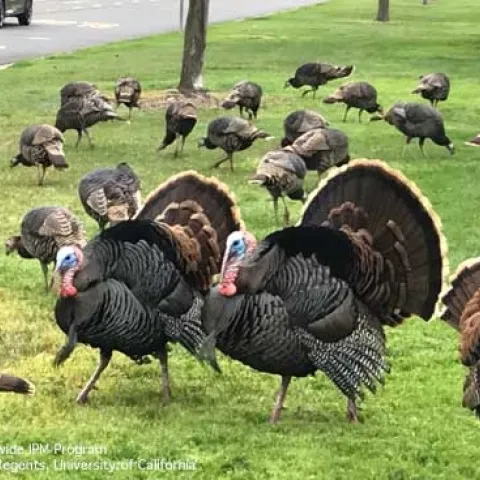
Two adult male wild turkeys strutting in grass with several female hens behind them.
Pests in the Urban Landscape: Article

Wild Turkeys: Is This a Pest?

June 24, 2021
By Belinda Messenger-Sikes
Have you seen wild turkeys wandering through your neighborhood? These American birds were once on the verge of extinction but now can be found foraging for food in urban and suburban neighborhoods. Some people enjoy the sight of a flock of wild turkeys strutting by their house.
View Article
Primary Image
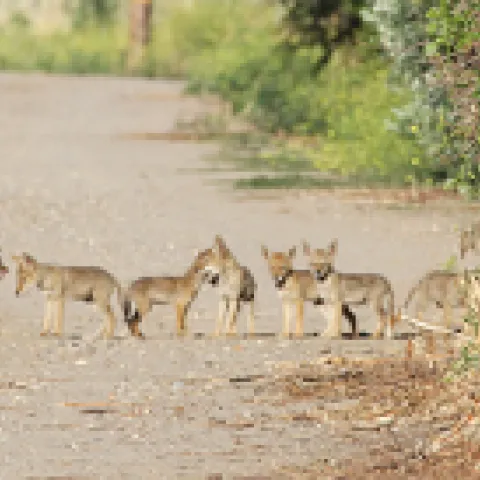
Group of seven coyote pups on a dirt road.
Pests in the Urban Landscape: Article

New Wildlife Pest Identification Tool

June 22, 2021
Wildlife in California is an important natural resource that many people appreciate in their natural habitats and strive to protect. However, sometimes vertebrate animals can become pests in our homes, gardens, schools, parks, and landscapes and management efforts are needed.

View Article
Primary Image
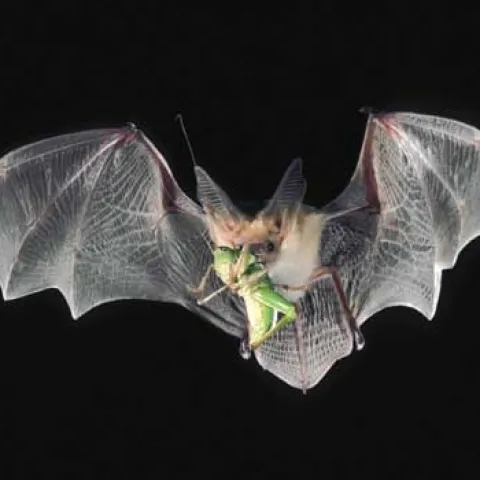
Adult cream colored pallid bat in flight with wings spread and a green grasshopper in its jaws.
Pests in the Urban Landscape: Article

Bats: Friend or Foe?

April 5, 2021
By Belinda Messenger-Sikes
Are bats good for the environment or are they pests? How about both? Almost all of the 25 species of bats in California eat lots of flying insects during their night flights, making them an important part of the ecosystem. But when they roost in buildings such as your home, they can become pests.
View Article