Forests

Primary Image
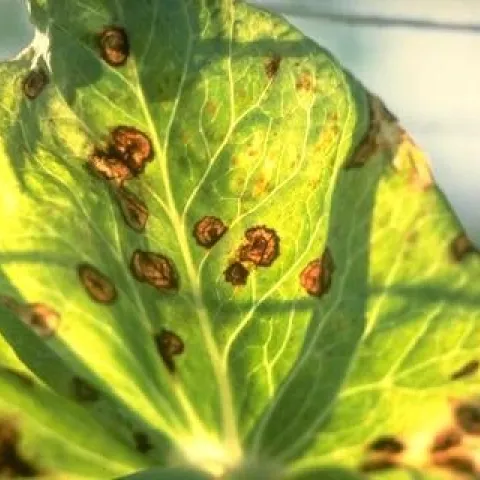
A yellow green sweet pea leaf with brown spots from a fungal disease.
Pests in the Urban Landscape: Article

Does my plant have a disease?

March 9, 2021
By Belinda Messenger-Sikes
Figuring out what's wrong with your plant takes a little detective work. Plants can look unhealthy for a number of reasons, including diseases, pest insects, or even environmental conditions like sunburn, too much water, not enough water, wind damage, and other issues.
View Article
Primary Image
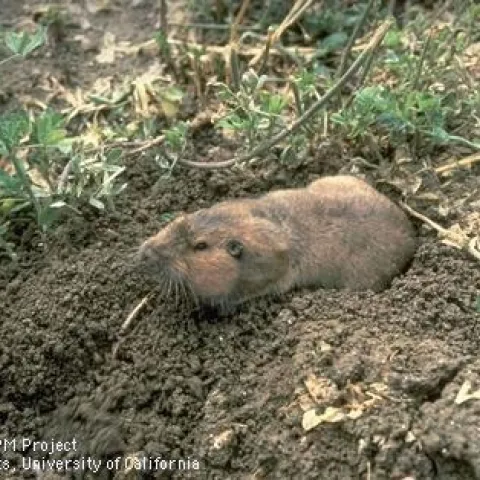
Adult pocket gopher coming out of its burrow in a field.
Pests in the Urban Landscape: Article

Groundhogs and Other Burrowing Rodents

February 2, 2021
Annually on February 2, groundhogs get a lot of coverage. Groundhogs, also known as woodchucks, are burrowing rodents often found in the eastern United States. But in California, any shadows from burrowing rodents are unlikely to be a groundhog.
View Article
Primary Image
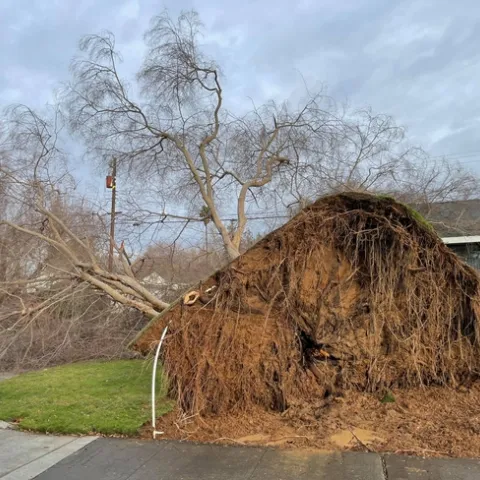
Downed tree with exposed roots in front of residence.
Pests in the Urban Landscape: Article

Storm Damage in Landscapes

January 27, 2021
Strong winds from the latest winter storm have downed trees and branches throughout Northern California and may have also damaged plants in your garden and landscape. Further damage from wind or hail can be reduced with proper cultural care.
View Article
Primary Image
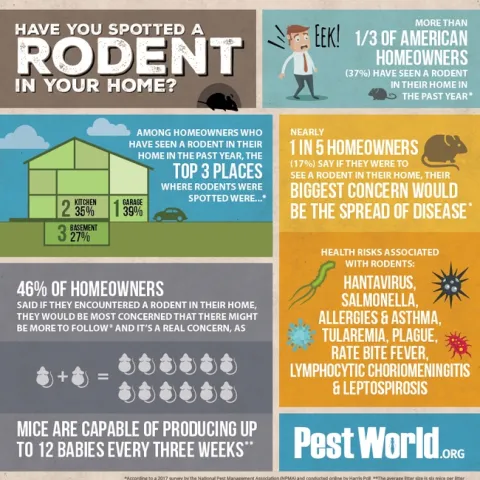
rodent awareness infographic

Rodent Awareness Week

October 20, 2020
Rodent Awareness Week (October 18-24) is a campaign created by the National Pest Management Association to educate the public about the potential harm associated with rats and mice. In addition to damage to structures and property, rodents can transmit disease to other animals and humans.
View Article
Primary Image
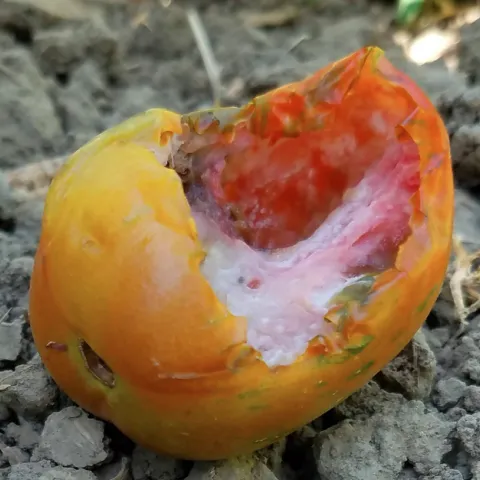
Orange and yellow tomato on the ground, partially eaten by a rat.
Pests in the Urban Landscape: Article

Rats in the Garden

August 4, 2020
If you are growing tomatoes in your garden, you may not be the only vertebrate going for your hard earned harvest. Are rats feasting away in the garden? We have a couple resources we can share to help you reduce or prevent rat damage to your tomatoes.
View Article
Primary Image
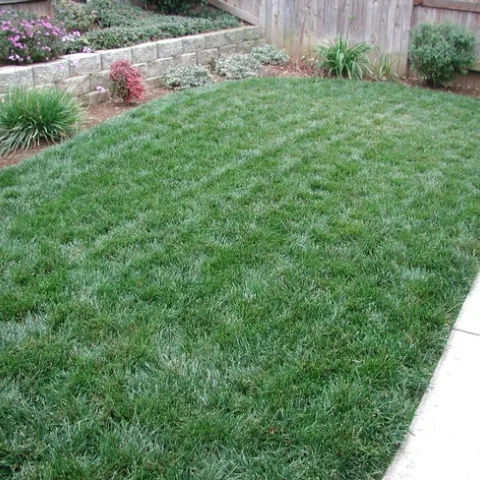
Figure 1. A healthy backyard lawn. (Credit: C Reynolds)
Pests in the Urban Landscape: Article

Lawn Problems: Diseases Are Not Always To Blame

July 16, 2020
By Janet S Hartin
Your customers want their lawns to be beautiful and functional (Figure 1) but dead patches or other problems sometimes occur. Figuring out the cause of turfgrass damage can be a challenge since many plant pathogens affect grasses as well as numerous abiotic (non-living) disorders.
View Article
Primary Image
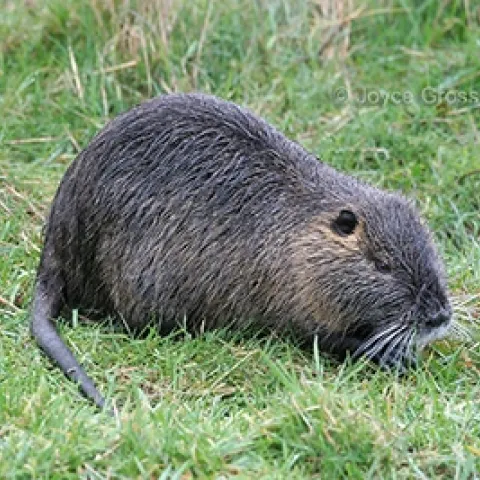
Adult nutria with white muzzle and whiskers, and long, round tail.<br>(Credit: J Gross)
Pests in the Urban Landscape: Article

Invasive Spotlight: Nutria

June 13, 2020
Nutria are found near rivers, streams, lakes, ponds and wetlands. Their burrowing and feeding on vegetation can cause damage. In addition, they can carry pathogens and parasites.
View Article
Primary Image
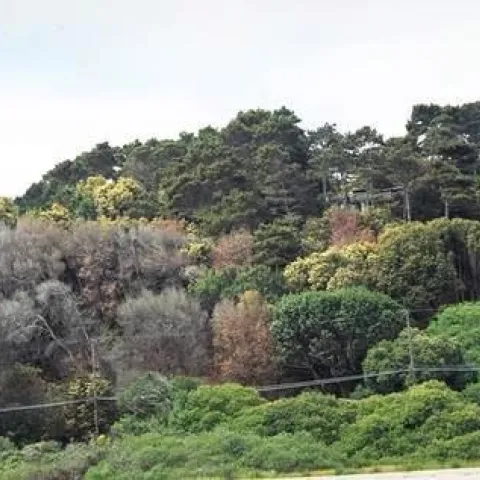
Tanbark oaks killed by Phytophthora ramorum. (Credit: P Svihra)
Pests in the Urban Landscape: Article

Invasive Spotlight: Sudden Oak Death

June 7, 2020
Sudden oak death is a disease of oak trees that is caused by an invasive plant pathogen Phytophthora ramorum. The disease has been found infecting trees in coastal California counties from Monterey to Humboldt and can be spread by moving infested soil and plant material. In California, P.
View Article
Primary Image
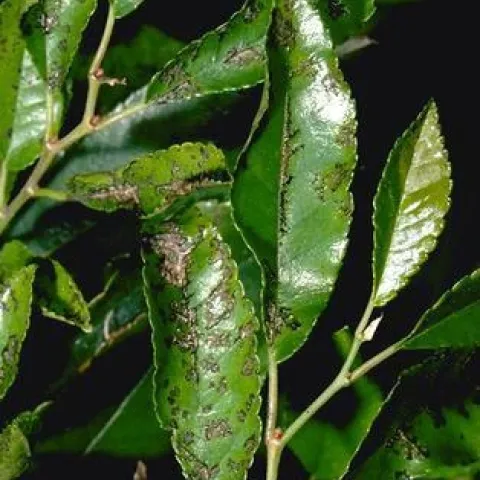
Black leaf spots caused by Chinese elm anthracnose.<br>(Credit: Jack Kelly Clark)
Pests in the Urban Landscape: Article

Anthracnose Pest Note Updated

May 14, 2020
Anthracnose is a group of fungal diseases that infect many trees and shrubs, causing dark lesions on leaves and cankers on twigs and stems. In some areas of California, vegetables and turfgrass can also be infected with anthracnose. Symptoms of anthracnose vary by plant host and weather conditions.
View Article