To get foothill-specific gardening advice, contact the UCCE County Master Gardener of Tuolumne County Hotline at: Phone: 209-533-5912 or Email: mgtuolumne@ucdavis.edu Master Gardeners do check the hotline on a frequent basis.
It's easy to invite bees, butterflies, hummingbirds, and other welcomed winged visitors into the garden. Just provide the food, water, and shelter they need to feel at home. This is called habitat gardening, and it's a satisfying way to choose plants.
Pittosporum tobira, mock orange. Photo: Wikimedia Commons Shrubs are extremely versatile and hard-working, often forming the framework of a landscape. Some are low-growing and others are as tall and large as trees. They make excellent privacy hedges, foundations, and evergreen backdrops.
Yearly drip system maintenance is especially important to make sure plants are receiving the water they require and that none is being wasted. Check the system early in spring before it is turned on for spring-summer irrigation. This would include opening the end caps and flushing the system.
Irrigation Scheduling Tools This tool, developed by Rueben and Shanti Hofshi, and Ben Faber, has instructions for use and allows you to calculate water needed per tree per day as well as watering time per day or irrigation period.
Texas A&M University During the winter months, bare root (aka no soil) ornamental trees, shrubs and roses, vines, and many edibles are available at nurseries. Bare root plants are dug from the field when dormant and separated from the soil.
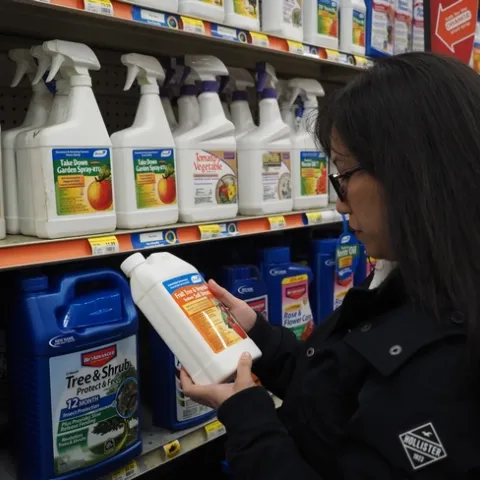
As of January 1, 2025, popular lawn and garden pesticides belonging to the neonicotinoid class, can no longer be used by home gardeners on outdoor fruit trees, lawns, or ornamental plants in California.
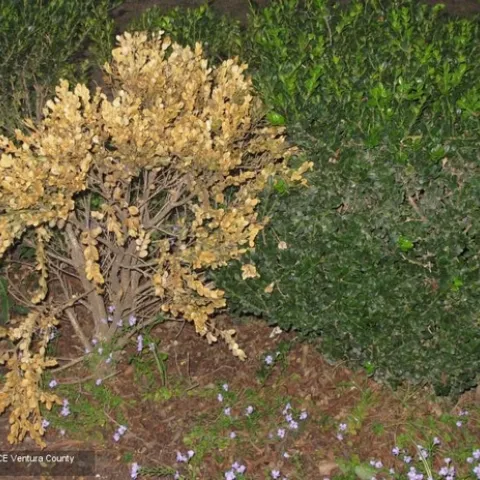
A well-watered plant that suddenly wilts or unexpectedly drops its leaves could be infected with the soil pathogen Phytophthora. The disease it causes, Phytophthora root and crown rot, can affect many plants, including ornamental trees and shrubs, fruit trees, and vegetables.