Five Steps to Avoid Becoming THE Problem in YOUR Vegetable Garden. I have been growing my own vegetables for the last thirty years. I have grown vegetables in the ground, raised beds, and containers. During those years I have enjoyed good and bad harvests. Sometimes the problems which resulted in a poor…
Most gardeners are aware of plant diseases that can wreak havoc in their gardens. If you grow fruit trees, you may be confronted with curled, reddened peach leaves (peach leaf curl fungus). If you grow apples or pears, your trees may sometimes look like they were scorched with a blow torch (fire blight…
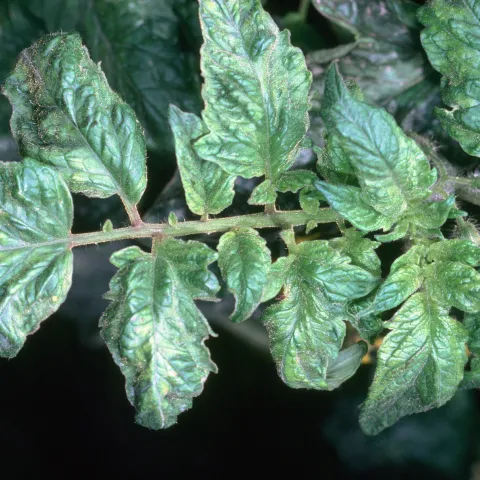
Drought stressed leaves may curl and look scorched. Photo credit: UC Regents Water is essential for the chemical and physical processes that plants need to survive and grow. Healthy plants depend on the movement of water from the soil through the roots and up into the leaves.
Gardens are always changing: plants grow, soils change, leaves fall, and weeds sprout. All plants, whether in your garden or in your home, need consistent maintenance and care.
UC Master Gardeners of Amador County's ClassesUC Master Gardeners offer free classes on various gardening topics throughout the year. Check our calendar for upcoming classes each month. Calendar of EventsFor more information contact the Master Gardeners 10am to noon, Tuesdays,…
Master Gardeners are trained educational outreach volunteers with the University of California Cooperative Extension program; they provide practical scientific horticulture and gardening information to gardeners in their communities across California.
The application process for the UC Master Gardeners of Merced County's 2026 Training Class is now open. Any Merced County adult resident with an interest in horticulture (plants, lawns, trees, vegetables and more) and public service are encouraged to apply for the Master Gardener Program.
Send us an email anrmgmerced@ucanr.edu Visit our information booth at the Merced Farmer's Market on the first and third of most Saturdays from 8-11am (March- October). Attend one of our monthly community workshops. Click here to view the event calendar. Subscribe to our public newsletter.
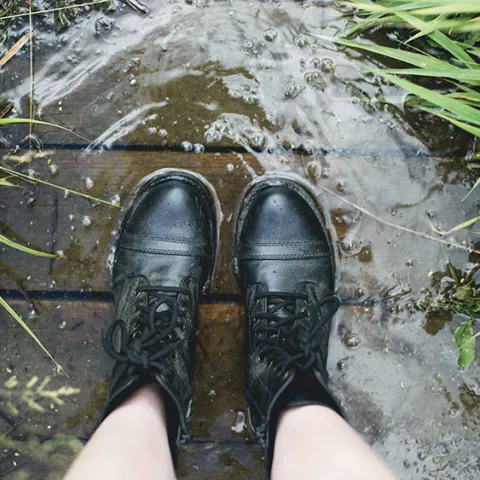
Gardening extremes occur when unexpected weather conditions challenge plant growth and survival. Frost, heat, floods, wind, and drought are all environmental changes that can result in plant injury. Plant damage can be sudden and severe or it may occur over time.
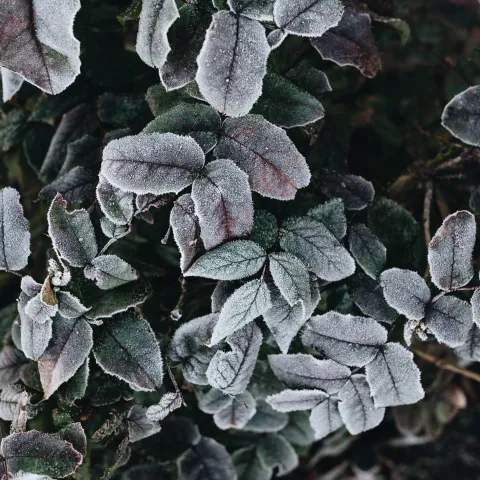
Frost injures plants by causing ice crystals to form in plant cells. This makes water unavailable to plant tissues and disrupts the movement of fluids. Frost-damaged leaves appear water-soaked, shrivel, and turn dark brown or black.