Gardening

Primary Image
california natives
UC Marin Master Gardeners: Page

California Natives

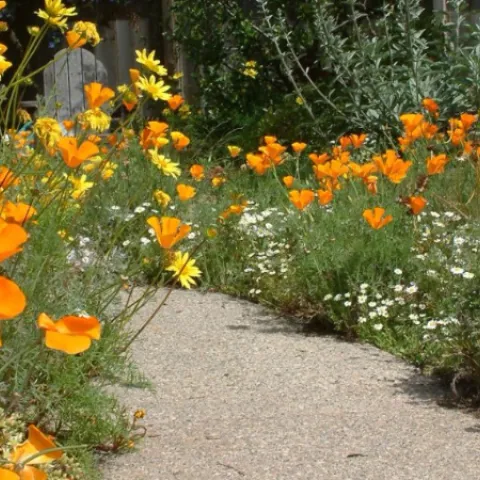
A male Annas hummingbird can't resist Saliva clevelandii Pozo Blue, an easy CA native. This plant looks best with fall pruning. Photo: Bob Mauceli Native plants are easy to grow so long as you don't overdo it with soil amendments or other unnecessary additions.
View Page
Primary Image
succulent
UC Marin Master Gardeners: Page

How to Choose

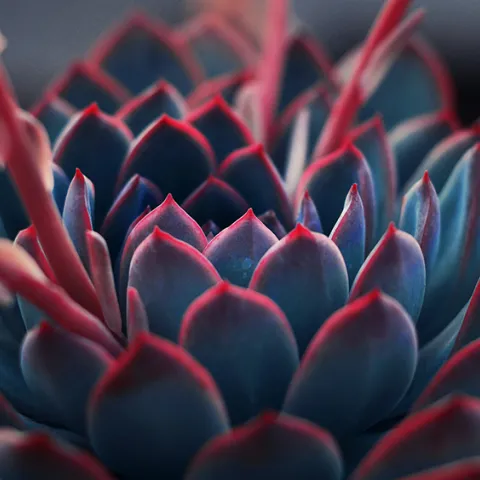
We can grow thousands of different plants in our mild climate, which can make a visit to the nursery overwhelming. Photo, Leone Christine, Unsplash Thanks to Marin's mild climate, we can grow thousands of different plants.
View Page
Primary Image
planting tools
UC Marin Master Gardeners: Page

Bulbs

Bulbs are great to plant then forget about. Often planted in fall (some in spring), theyre not visible during winter. Come spring or summer, depending on the bulb, voila! A beautiful plant! Theres a wide variety of types of things called bulbs, including rhizomes, tubers, corms, and true bulbs.
View Page
UC Marin Master Gardeners: Page

Earth-Friendly Gardening

Earth-friendly Gardening is our advice for creating sustainable landscapes that benefit the broader environment and make things easier for the gardener. By adopting these practices, you can grow a healthy garden that is beautiful, in sync with nature, and less prone to problems.
View Page
UC Marin Master Gardeners: Page

Bulbs

Lilies are amongst the most popular bulbs. Julia Kadel, Unsplash If you love showy flowers, bulbs are for you. Bulbs, corms, and tubers store the food that keeps the plant alive during dormant periods.
View Page
Primary Image
layering
UC Marin Master Gardeners: Page

Layering

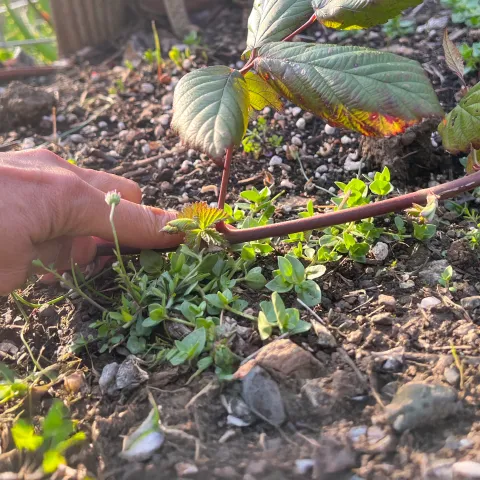
With layering, stems are induced to produce "adventitious" roots while they remain attached to the parent plant. Adventitious roots are those produced in an unusual time or position. Blackberries are great candidates for tip layering.
View Page
Primary Image
fertilizing
UC Marin Master Gardeners: Page

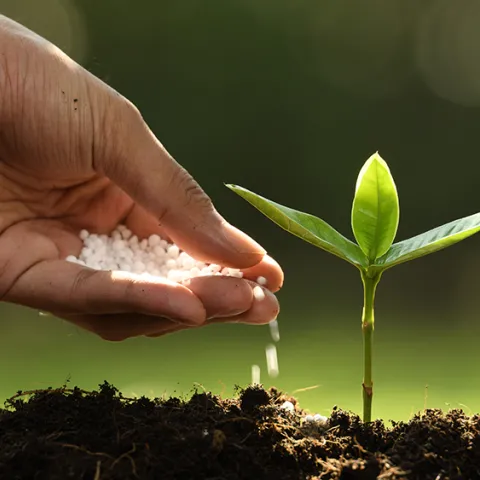
When & How to Fertilize

Analyze first The decision to fertilize should be based upon the health of the plant, the desired rate of growth, and a soil analysis. A soil analysis will tell you the soil pH and the amounts of nutrients in the soil that are available for plant growth.
View Page
Primary Image
Banner compost
UC Marin Master Gardeners: Page

Compost Systems

The real work of composting is done by a variety of underground inhabitants including earthworms, sowbugs, bacteria, fungi and other micro-organisms. Some you can see, but most you cannot.
View Page