How to distinguish between the three types of weeds on your property Isn’t it funny when you look at children that you have not seen in a while, you usually say, “These kids have grown like weeds.” You don’t say that they have grown like a plant. You and I did not make that saying up; the truth is…
Trees are long-lived resources that provide environmental, aesthetic, and community benefits. When a tree shows signs of decline, damage, or pest infestation, it is common to seek help from a tree care professional. While professional tree care is essential in many situations, the quality and appropriateness…
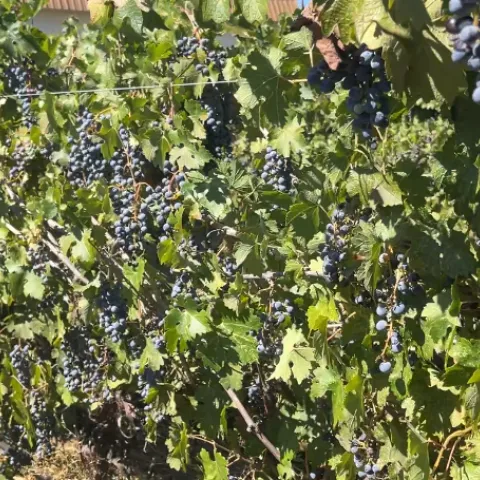
A UCCE viticulture advisor is studying vineyard “mothballing,” which entails maintaining vines with minimal inputs, while aiming to return to production in the future.
Growers, pest control advisers, researchers, commodity group representatives and other ag professionals are invited to a UC ANR Connect Field Day on Aug. 6 (9:30 a.m.-12:30 p.m.), at Sabor Farms.
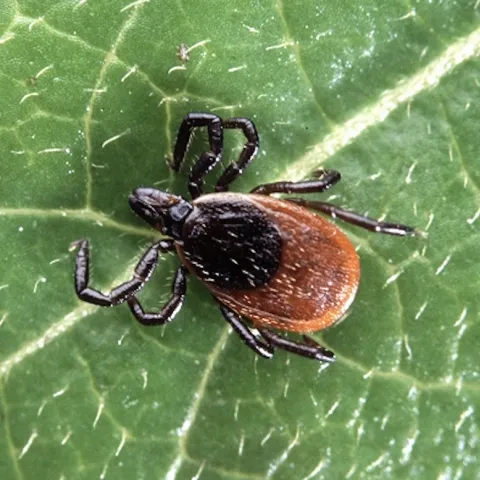
Blood-sucking ticks can spread bacteria and other germs when they bite, causing diseases like Lyme disease in people and pets. Fortunately, a few simple precautions can go a long way in reducing your exposure to ticks. Preventing Tick BitesTicks are efficient hitchhikers—they can easily latch on to your…
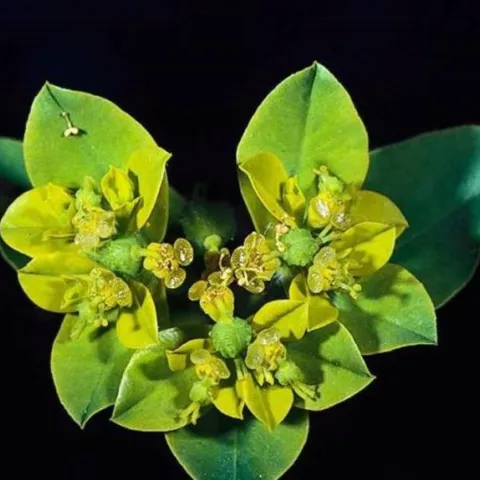
Noxious weed! This “cute” perennial plant grows about 3 feet tall, displaces desirable vegetation, and reduces the biodiversity of our native ecosystems. It was introduced from southern Europe as an attractive ornamental. But it has no natural deterrents, takes over natural habitats, and is quite invasive…
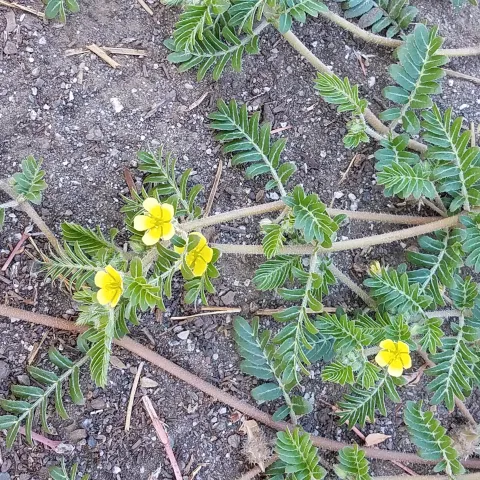
Puncturevine (Tribulus terrestris) is an attractive green plant with small yellow flowers commonly seen growing prostrate along the side of the road. A native to Southern Europe, it’s also referred to as “goathead.” However, underneath its foliage lies danger: spiky seedpods with needle-point spikes. If…
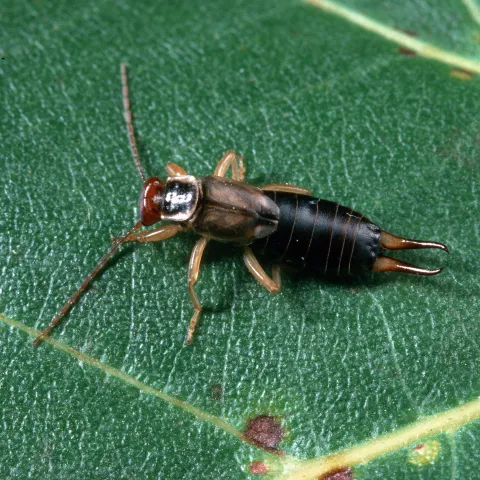
Earwigs, sometimes also called pincherbugs, can be damaging or just a nuisance around our homes and gardens. While these insect pests aren’t harmful to humans, they can cause quite the ruckus in home gardens. The most common species found in California is the European earwig, Forficula auricularia. This…
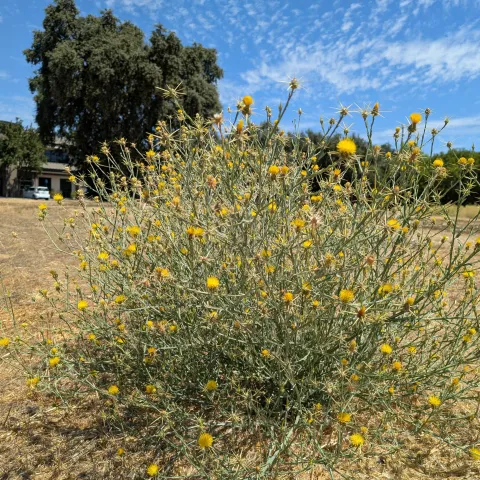
Yellow starthistle is a spiky, fast-growing, invasive weed in home landscapes, parks, rangelands, roadsides, and natural areas. It outcompetes other plants by growing in impenetrable stands and depleting soil moisture. It's also highly flammable which increases the risk of wildfires where it's growing. …
A few strands of thin, feathery, green plants growing under the dock didn’t catch anyone’s attention last spring. But those strands spread quickly and within months the lake’s calm waters were tangled in mats of the feathery Eurasian watermilfoil, an aggressive aquatic plant that grows quickly and clogs…