Every gardener knows that weeds are just plants in the wrong place. Webster’s dictionary defines a weed as “a plant that is not valued where it is growing and is usually of vigorous growth; especially: one that tends to overgrow or choke out more desirable plants.” The use of weeds as soil indicators is not…
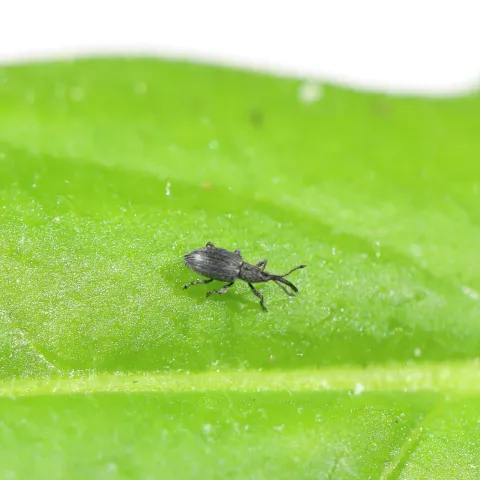
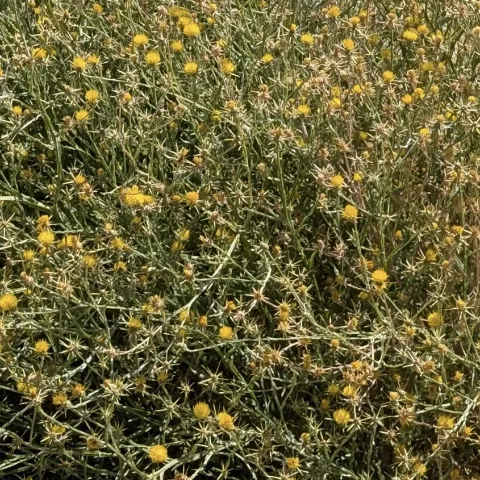
In Part 1 of this story, we covered some basics of biological control. Now let’s talk about some of the good bugs helping to control invasive pests in California. Controlling yellow starthistle one weevil at a time Yellow starthistle (or YST) is a harmful invasive plant that is established and…
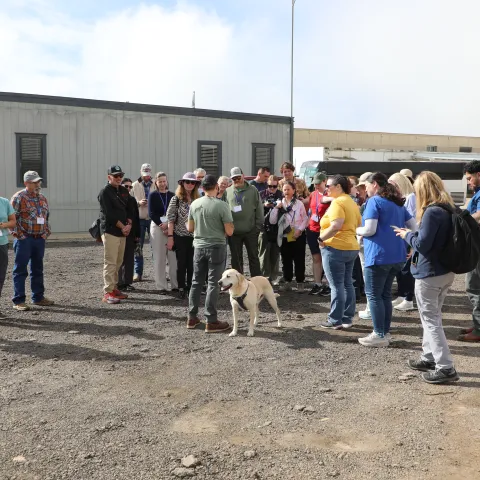
California recently restricted rodenticides to protect wildlife, but rodents aren’t going away on their own. Dogs are a solution worth studying, says UCCE advisor Niamh Quinn.
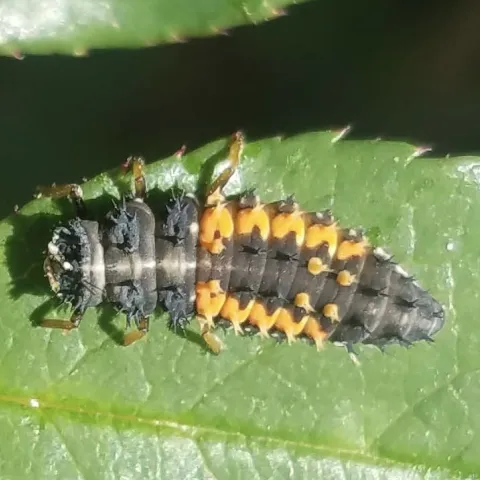
You have probably heard about the “good bugs” that eat pest insects around your home and garden, like ladybugs, lacewings, and spiders. You may have even purchased some beneficial insects or nematodes at a garden store. Good bugs can also help us manage invasive species, but the process is a bit more…
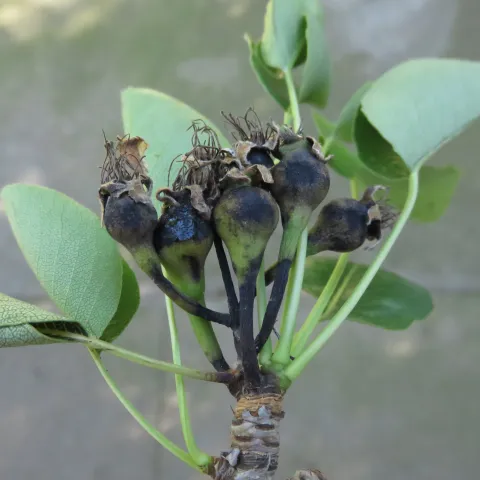
If you are noticing droopy, dried-out flower clusters on your pears, Asian pears, quince, apples or crabapples, fire blight may be the cause. Fire blight is caused by a bacterium and is a common and frequently destructive disease that usually shows up in April and May, but during dry spell, it may appear in…
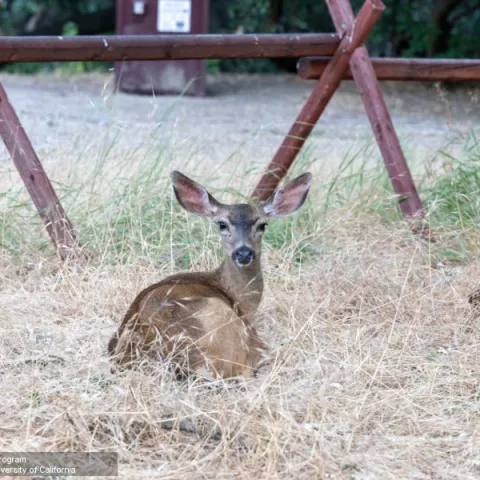
Is there such a thing as a deer-proof plant? Perhaps…but there are a variety of reasons deer may choose to ignore or consume specific plant species at a particular time and place. Certain plants native to California (and elsewhere) have evolved natural defenses against being eaten by browsing…
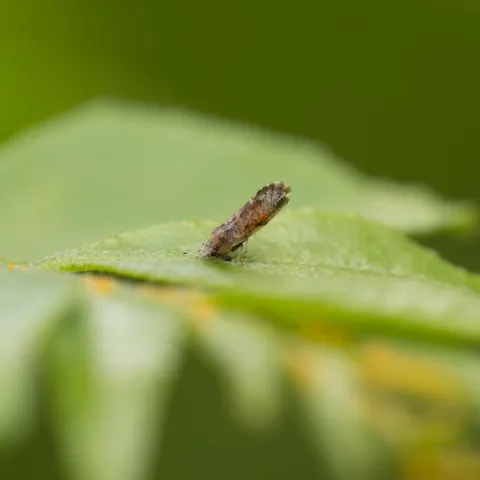
To understand consumers’ attitudes toward a bioengineered crop pesticide for controlling Asian citrus psyllid, researchers are seeking volunteers for focus groups.
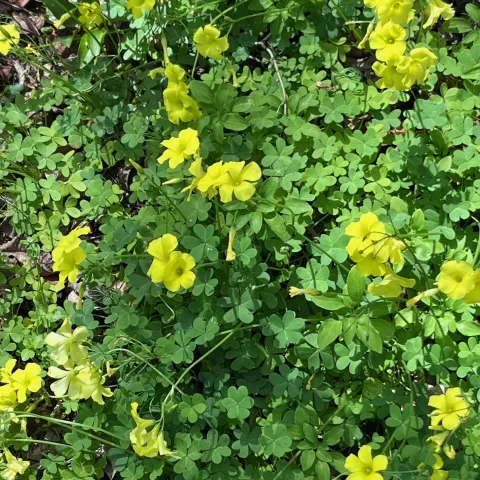
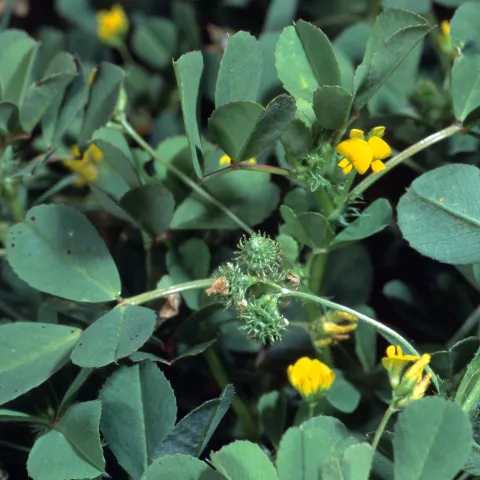
St. Patrick’s Day makes us think about shamrocks and all things green. With recent warm weather following winter rains, your lawn or garden might be dressing up for Saint Patrick’s Day and Spring with clovers and other weeds. Clovers begin to germinate in the fall and continue throughout winter…
California is famous for its scenic wilderness and biological diversity. Unfortunately, our state’s unique ecosystems are in danger, and invasive species are among the biggest threats to our environment. Invasive species can cause all kinds of environmental damage, such as harming wildlife, disrupting our…
Have you seen white powdery-looking patches appearing on the leaves of your roses or sycamore trees? While home gardeners may be familiar with this sign of the plant disease powdery mildew on their veggies, ornamental plants and landscape trees can also be infected. In addition to those powdery spots, the…