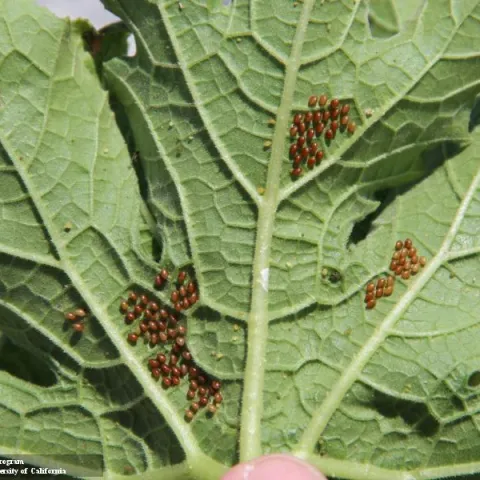
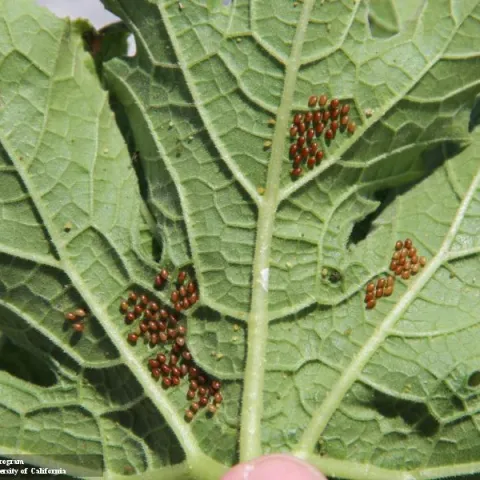
Squash bugs are a common pest in vegetable gardens, where they can be found on squash, pumpkin, and melon. They can cause leaves to become speckled and turn yellow. Heavy feeding can cause plants to wilt or die, and fruit to rot.These pests remain in the garden during the winter, hiding under dead leaves,…
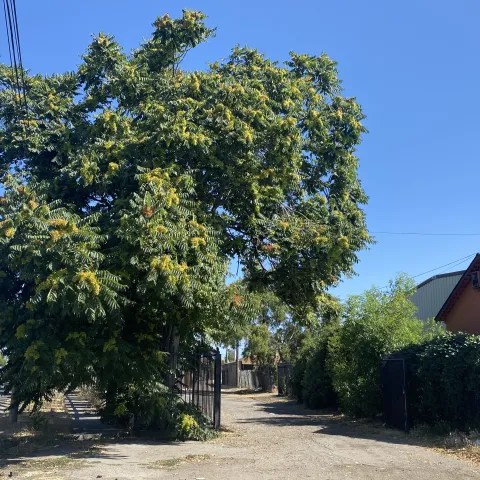
Tree-of-heaven, Ailanthus altissima, was originally from China and became a popular landscape shade tree in the 1800’s. However, its rapid growth, aggressive spread, and native habitat disruption have made it a global problem. Reproducing rapidly through dense root suckers and wind dispersal of its “winged”…
It’s May, and that means gardeners in our area are planting melons, squashes, and cucumbers. These warm-season vegetables grow great in our climate. I’m convinced a single zucchini plant could feed a whole family, that is if it doesn’t get obliterated by squash bugs first. (Anasa tristis) …
Some indoor pests can just be a nuisance; others can also be a health risk. Did you know that cockroaches and rodents are known to trigger asthma symptoms and lead to the development of allergic asthma for some people? This month, we recognize Asthma Awareness Month and share how you can reduce indoor…
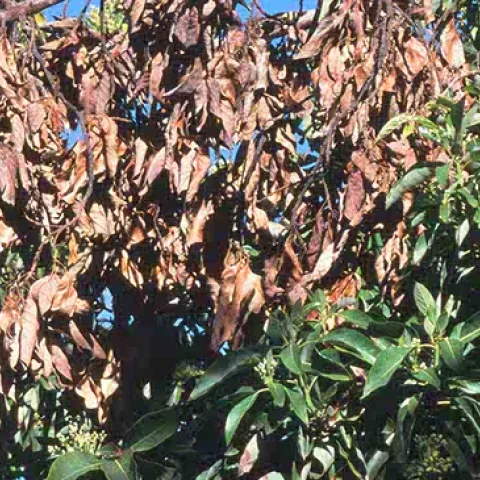
When you spot a plant in your garden that doesn’t look healthy, how do you figure out what’s wrong with it? Plant problems can be caused by insects, mites, vertebrates, environmental conditions, and diseases, but it can sometimes be hard to tell which is causing the problem. UC IPM's Plant Problem…
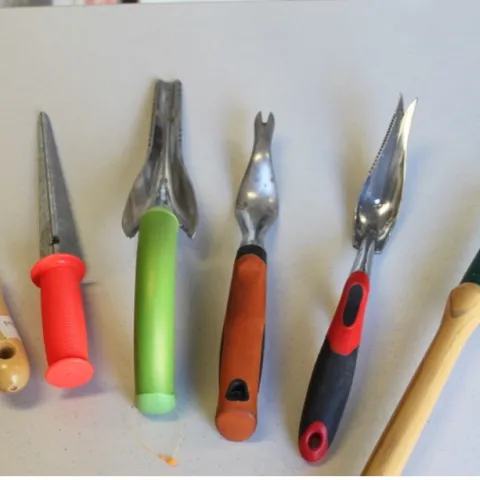
Dandelions can be an especially troublesome weed in lawns and landscapes. Once they're established, dandelions readily regrow from their deep taproot when only the tops are removed or mowed. Dandelions can regrow if even 1 inch of the taproot remains. The best way to get rid of dandelions is to control them…
Did you know that your backyard, balcony, or community plot is more than just a space for flowers and veggies? It's also a frontline defense against invasive species! As gardeners, we’re uniquely positioned to protect local ecosystems, and the good news is—it doesn’t take a lot to make a big difference.Here…
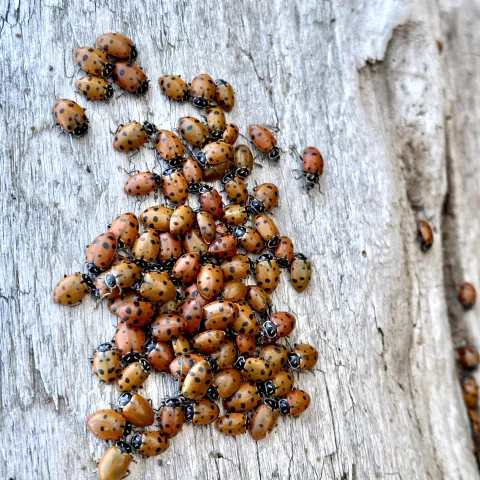
Lady beetles (known more commonly as ladybugs) are often sold in nurseries and garden centers to control aphids. But will releasing them actually solve your pest problem, and if so, how can you release them correctly? There are about 200 species of lady beetles in California, varying in color, size, and…
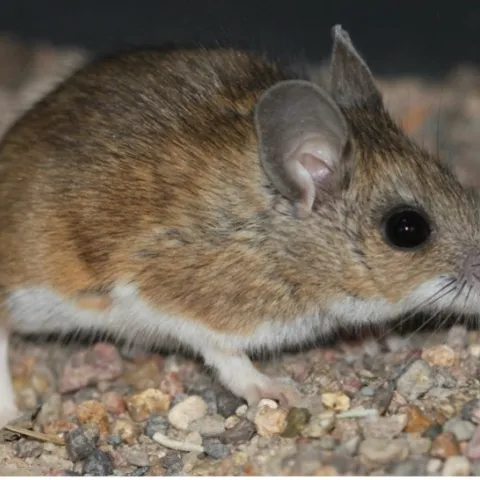
Hantavirus has been in the news a lot lately. Betsy Arakawa, wife of the late actor Gene Hackman, recently passed away in New Mexico due to the disease and California has already seen 3 hantavirus-related deaths this year. In this article we share information to help you understand hantavirus and what you…
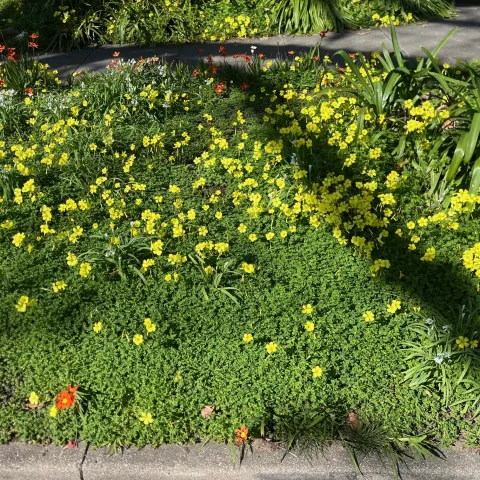
Bermuda buttercup (Oxalis pes-caprae), also called buttercup oxalis or sourgrass, might be a familiar sight in winter and spring, particularly to those who live in coastal regions or the Sacramento Valley. Some people enjoy seeing this plant’s cheerful yellow flowers pop up in their spring gardens, but for…