By Danielle Lee, Suzanne M Rauzon, Miranda W Brown
The article Parent perceptions of changes in eating behavior during COVID-19 of school-aged children from Supplemental Nutritional Assistance Program Education (SNAP-Ed) eligible households in California was recently published in the journal Preventive Medicine Reports.
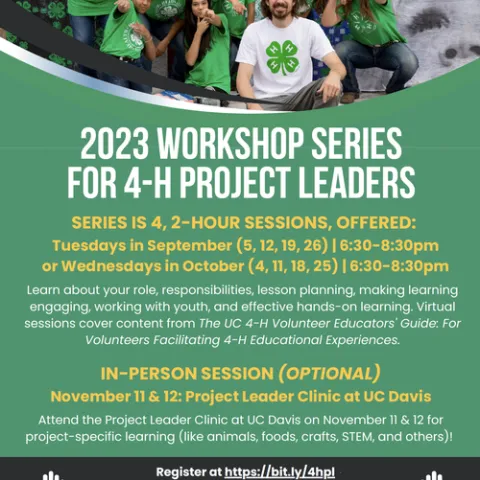
Starting next week, we will offer a series of hands-on workshops for 4-H project leader volunteers. The workshops will focus on four primary areas: Session 1: Best practices in youth development with a focus on youth "sparks" (i.e.
When dozens of elementary schoolers gathered to watch a live calf birth at Tollcrest Dairy in Yuba County, their comments ranged from disgusting but cool to I saw something that maybe I'm too young to see.
Good nutrition, and improved health, attendance, academics, and school climate are some of the benefits when schools offer meals at no charge to all students.
Volunteerism is a public health issue. Research has shown that volunteering for youth programs can increase attainment of skills (Grant, 2020). Further, volunteering can improve well-being and connection with others (Worker, 2020).
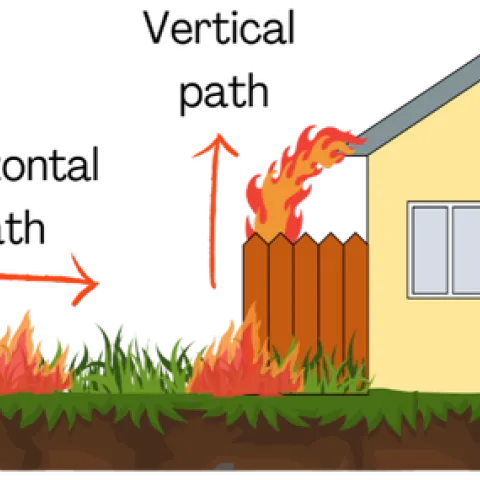
Wildfires are part of California's ecosystems, and they do not have to lead to the destruction of structures and livelihoods. Each of us can contribute to improving wildfire resilience, from individual homeowners and businesses to entire communities.
This past year, 4-H, CalFresh Healthy Living, and the Master Gardener Program in Sutter has been collaborating together to serve youth and their families.
Poverty is a reality for many youth and their families. According to the Children's Defense Fund, nearly 10.5 million children were considered economically disadvantaged ("poor") in 2019. Many youth experience housing instability. During 2017-18, over 1.