It is easy to grow your own fruits and vegetables in a container, your yard, a community garden plot or on a large ranch property! To have a successful garden just follow the seven basic rules of edible gardening: Plant only as much as you can easily maintain. Create a garden plan before you begin.
Sample Garden Plan with planting dates and bed widths. Source: California Master Gardener Handbook Growing vegetables in your home or garden is good for you, your neighborhood, and for helping to reduce your global footprint on this earth.
California has a unique vegetable growing climate and can grow many different types of vegetable crops throughout the year. Crops are classified as warm-season or cool-season crops.
Most gardening books, catalogs, and seed packets refer to plant hardiness zones, climate zones, or growing zones. Temperature hardiness climate zones are based on normally expected high and low temperatures and serve as guides to help you know which plants will grow where you live.
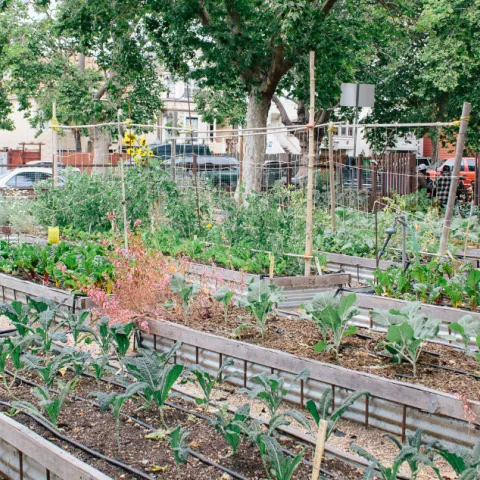
Raised garden beds at the Fair Oaks Horticulture Center. Photo credit: Audrey Brandt Choose the best site for your garden, preferably in a location that is easily accessible from your home. Make sure the site receives 6 to 8 hours of full sun per day.
Plant enough of each vegetable crop to meet your familys needs for fresh, stored, and preserved supplies. For most vegetables, there are a number of varieties (cultivars) from which to choose.
Do not grow horizontally what you can grow vertically to save space! @UC Regents The key to any successful garden is planning. Gardeners cannot waste time and space if they expect to produce large amounts of vegetables from a limited area.