A Natural Solution for California's Herds: African Catfish Peptides

California's cattle producers and agricultural communities are all too familiar with the rising challenge of antibiotic resistance, making common bacterial infections harder to treat in livestock. But imagine a future where we could tackle these infections with a natural, powerful alternative. Our research points to just that: antimicrobial peptides (AMPs) found in African catfish.

We're really excited about these peptides because African catfish thrive in pathogen-rich freshwater, naturally producing these robust immune compounds in their skin mucus as a defense. This natural origin makes them highly appealing alternatives to synthetic drugs.

Predicted Safety and Potent Action

One of the most compelling aspects of these AMPs is their predicted safety for mammals. Our initial computer analyses suggest that various catfish AMPs are generally recognized as safe (GRAS). We predict they'll be absorbed in the human intestine without causing liver, brain, or heart toxicity. Furthermore, lab tests on a promising peptide, NACAP-II, confirmed it was non-hemolytic, meaning it didn't damage rabbit red blood cells—a strong indicator of its potential safety for mammalian cells.

Beyond safety, these peptides demonstrate effectiveness against problematic bacteria. One study revealed NACAP-II's strong activity against Extended-Spectrum Beta-Lactamase (ESBL)-producing Escherichia coli—a critical concern for both animal and human health due to its resistance to many common antibiotics. Another peptide, ACAP-IV, also showed antibacterial activity against E. coli and Staphylococcus aureus. We believe these AMPs work by directly disrupting bacterial cell membranes, a mechanism that makes it harder for bacteria to develop resistance compared to how they resist traditional antibiotics.
Primary Image
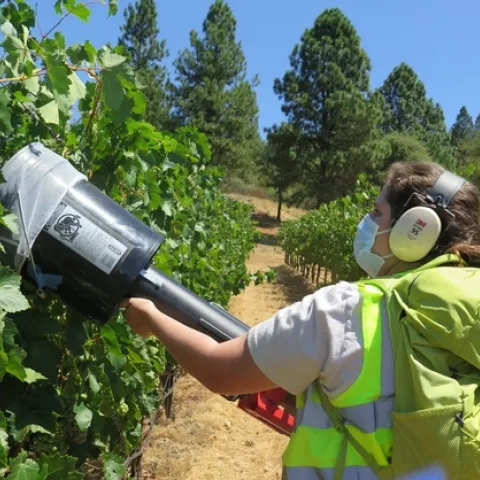
a woman holding a D-vac in a grapevine canopy

Researchers Continue Grapevine Red Blotch Vector Search

August 27, 2020
Entomologists have a unique toolbox of gadgets designed to trap and collect otherwise hard to nab insects. Beating, sweeping, sucking, and carefully brushing, these scientists have no lack of creativity when it comes to collecting what most people can't even see.
View Article
Primary Image
015 (2)

What Do You Do With the Tail End?!

August 26, 2020
By Daniel K Macon
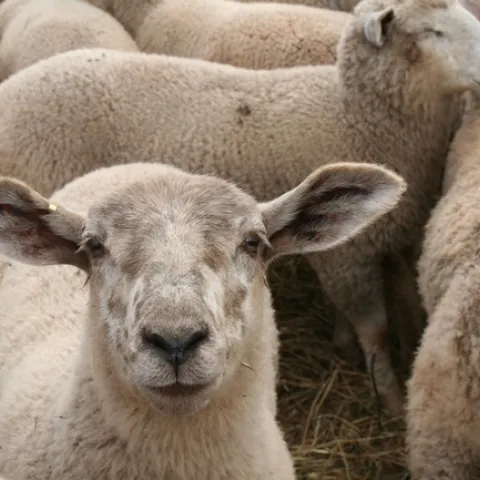
As some may know, I've been doing a weekly podcast called "Sheep Stuff You Should Know" with my friend and fellow sheep producer, Ryan Mahoney.
View Article
ANR Employee News: Article

Flu vaccination required for UC students, faculty and staff by Nov. 1

August 26, 2020
By Pamela S Kan-Rice
To support the health and well-being of UC students, faculty and staff and our communities, the University of California, in consultation with UC Health leadership, has issued a systemwide executive order requiring all members of the UC community to receive an influenza immunization before Nov.
View Article
Primary Image
A wall of fire races toward Quail Canyon Road, home of Caroline Yelle's business, Pope Canyon Queens.
Bug Squad: Article

The Heartbreaking Story of a Bee Scientist Who Lost Everything

August 26, 2020
By Kathy Keatley Garvey
It's heartbreaking. Beyond heartbreaking. Caroline Yelle, 28, owner of Pope Canyon Queens (PCQ) at 8307 Quail Canyon Road, Vacaville, lost her business when the lightning-sparked Hennessey Fire, part of the LNU Lightning Complex Fire, swept through rural Vacaville on Aug. 19 from Napa County.
View Article

Fruit Trees and Grafting

August 26, 2020
Have you ever seen multiple trunks coming out of the ground from a lemon tree? I inherited this lemon tree and one of the trunks seem slightly smaller in size.
View Article
Primary Image
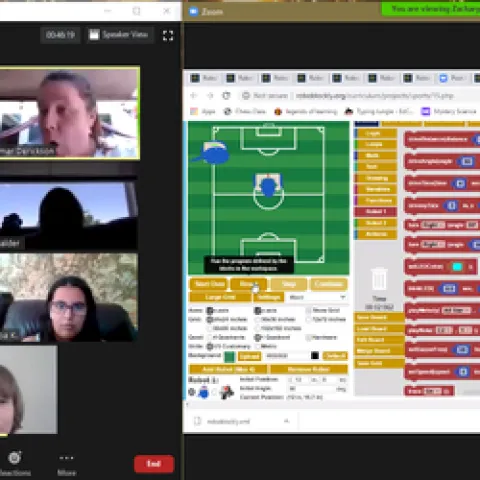
Zoom mosaic screen shot next to screen shot of programming on robockly.org
California 4-H Grown: Article

2020 Virtual Code Camp a Success!

August 26, 2020
By Steven Worker
The California 4-H Computer Science Pathways team hosted a 5-day virtual code camp, July 27 to 31st. Attendees included 50 youth and 30 volunteers (some from out-of-state and one from Canada!).
View Article