A Natural Solution for California's Herds: African Catfish Peptides

California's cattle producers and agricultural communities are all too familiar with the rising challenge of antibiotic resistance, making common bacterial infections harder to treat in livestock. But imagine a future where we could tackle these infections with a natural, powerful alternative. Our research points to just that: antimicrobial peptides (AMPs) found in African catfish.

We're really excited about these peptides because African catfish thrive in pathogen-rich freshwater, naturally producing these robust immune compounds in their skin mucus as a defense. This natural origin makes them highly appealing alternatives to synthetic drugs.

Predicted Safety and Potent Action

One of the most compelling aspects of these AMPs is their predicted safety for mammals. Our initial computer analyses suggest that various catfish AMPs are generally recognized as safe (GRAS). We predict they'll be absorbed in the human intestine without causing liver, brain, or heart toxicity. Furthermore, lab tests on a promising peptide, NACAP-II, confirmed it was non-hemolytic, meaning it didn't damage rabbit red blood cells—a strong indicator of its potential safety for mammalian cells.

Beyond safety, these peptides demonstrate effectiveness against problematic bacteria. One study revealed NACAP-II's strong activity against Extended-Spectrum Beta-Lactamase (ESBL)-producing Escherichia coli—a critical concern for both animal and human health due to its resistance to many common antibiotics. Another peptide, ACAP-IV, also showed antibacterial activity against E. coli and Staphylococcus aureus. We believe these AMPs work by directly disrupting bacterial cell membranes, a mechanism that makes it harder for bacteria to develop resistance compared to how they resist traditional antibiotics.
Primary Image
The 2018 UC team, comprised of UC Davis and UC Berkeley graduate students, won the national Linnaean Games championship. From left are graduate students Zachary Griebenow and Brendon Boudinot of UC Davis, captain Ralph Washington Jr. of UC Berkeley (he received his bachelor's degree in entomology from UC Davis) and Emily Bick of UC Davis. (ESA Photo)
Bug Squad: Article

The Entomology Games: Righting a Wrong Name

July 8, 2020
By Kathy Keatley Garvey
The governing board of the 7000-member Entomological Society of America (ESA) announced July 6 that it has changed the name of the student trivia contest from "Linnaean Games" to "Entomology Games." And rightfully so.
View Article
Primary Image
Juvenile racoon (Credit: L Fitzhugh)
Pests in the Urban Landscape: Article

Masks and Covers in the Garden

July 8, 2020
By Karey Windbiel-Rojas
These days, most people are wearing masks when out in public for personal protection for themselves or others. In nature, there are a few pests that have their own type of face coverings, markings, or that other types of protective covers or behavior.
View Article
Primary Image
20200623 105119
Under the Solano Sun: Article

Summer is Here!

July 8, 2020
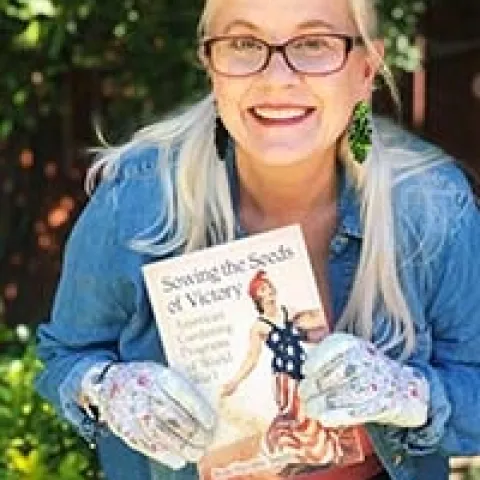
With summer just around the corner thought I'd share some of the summer tasks needed for a cut flower garden. When I got rid of my front lawn a few years ago, I added rocks, and a small flower garden area.
View Article
Primary Image
COVID-19 resource documents can be found on the statewide UC Master Gardener Program website under 'Resources' COVID-19 Safety Requirements, mg.ucanr.edu/COVID-19Safety
Coordinator News: Article

COVID-19 Updates & Resources

July 8, 2020
By Missy Gable
UC ANR is currently in Phase 2 of our re-opening plan. Guided by a new emergency response team, we have basic mitigation protocols for all UC ANR work.
View Article