A Natural Solution for California's Herds: African Catfish Peptides

California's cattle producers and agricultural communities are all too familiar with the rising challenge of antibiotic resistance, making common bacterial infections harder to treat in livestock. But imagine a future where we could tackle these infections with a natural, powerful alternative. Our research points to just that: antimicrobial peptides (AMPs) found in African catfish.

We're really excited about these peptides because African catfish thrive in pathogen-rich freshwater, naturally producing these robust immune compounds in their skin mucus as a defense. This natural origin makes them highly appealing alternatives to synthetic drugs.

Predicted Safety and Potent Action

One of the most compelling aspects of these AMPs is their predicted safety for mammals. Our initial computer analyses suggest that various catfish AMPs are generally recognized as safe (GRAS). We predict they'll be absorbed in the human intestine without causing liver, brain, or heart toxicity. Furthermore, lab tests on a promising peptide, NACAP-II, confirmed it was non-hemolytic, meaning it didn't damage rabbit red blood cells—a strong indicator of its potential safety for mammalian cells.

Beyond safety, these peptides demonstrate effectiveness against problematic bacteria. One study revealed NACAP-II's strong activity against Extended-Spectrum Beta-Lactamase (ESBL)-producing Escherichia coli—a critical concern for both animal and human health due to its resistance to many common antibiotics. Another peptide, ACAP-IV, also showed antibacterial activity against E. coli and Staphylococcus aureus. We believe these AMPs work by directly disrupting bacterial cell membranes, a mechanism that makes it harder for bacteria to develop resistance compared to how they resist traditional antibiotics.
Primary Image
A view of the front of Happy Apple Kitchen, a small family owned restaurant.
Farming in the Foothills: Article

Who knows??? - Operational Continuity

January 24, 2019
By Cindy Fake
The other day as I noticed the bright shoots of green from daffodil bulbs popping up from under the leaves, I was reminded of the silly little sprinklers lining the landscaped space near my family home.
View Article
ANR Adventures: Article

Can't have one without the other

January 23, 2019
By Wendy Powers
I seem to be missing a few blog posts. Apparently, I need to learn how to write directly into the portal and actually make the post. I realized the other day that some of the posts I thought I had made were missing so I must have failed to save the post.
View Article
Primary Image
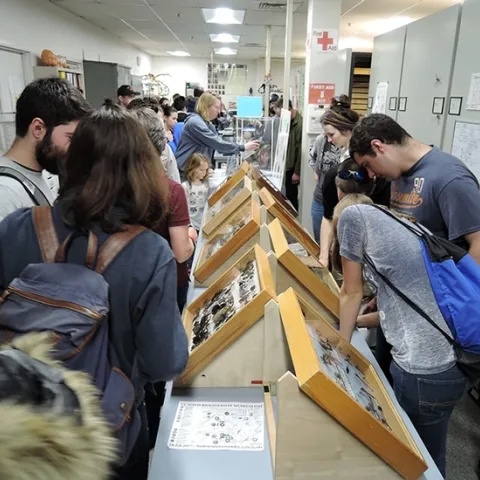
This was the scene at the Bohart Museum of Entomology during the 2018 UC Davis Biodiversity Museum Day. (Photo by Kathy Keatley Garvey)
Bug Squad: Article

Ready for UC Davis Biodiversity Museum Day?

January 23, 2019
By Kathy Keatley Garvey
Are you ready for the eighth annual UC Davis Biodiversity Museum Day on Saturday, Feb. 16 when 13 museums and collections will be open on the University of California, Davis, campus? The event, free, family friendly and educational, is always held on Presidents' Day weekend.
View Article
UC Master Gardeners of Solano County: Article

Winter 2019

January 23, 2019
Pruning and Care of Roses Preservation Pointers: Think Spring with Asparagus Gardening with Raised Beds: Pros, Cons, and Process Got Weeds? Winter Weeds Making Room for Everybody What is a Garden Myth? Vietnam: Trip Report and Water Issue Where Does Your Luffa Come From?
View Article
Primary Image
UCANR UCPath logo
ANR Employee News: Article

Enroll in Duo by Feb. 13

January 23, 2019
By Pamela S Kan-Rice
UPDATE: The deadline to enroll in Duo has been extended to March 31, 2019. To maintain access to critical systems such as the Time Reporting System (TRS), AggieTravel and AggieBuy, enroll in Duo by Feb. 13.
View Article