A Natural Solution for California's Herds: African Catfish Peptides

California's cattle producers and agricultural communities are all too familiar with the rising challenge of antibiotic resistance, making common bacterial infections harder to treat in livestock. But imagine a future where we could tackle these infections with a natural, powerful alternative. Our research points to just that: antimicrobial peptides (AMPs) found in African catfish.

We're really excited about these peptides because African catfish thrive in pathogen-rich freshwater, naturally producing these robust immune compounds in their skin mucus as a defense. This natural origin makes them highly appealing alternatives to synthetic drugs.

Predicted Safety and Potent Action

One of the most compelling aspects of these AMPs is their predicted safety for mammals. Our initial computer analyses suggest that various catfish AMPs are generally recognized as safe (GRAS). We predict they'll be absorbed in the human intestine without causing liver, brain, or heart toxicity. Furthermore, lab tests on a promising peptide, NACAP-II, confirmed it was non-hemolytic, meaning it didn't damage rabbit red blood cells—a strong indicator of its potential safety for mammalian cells.

Beyond safety, these peptides demonstrate effectiveness against problematic bacteria. One study revealed NACAP-II's strong activity against Extended-Spectrum Beta-Lactamase (ESBL)-producing Escherichia coli—a critical concern for both animal and human health due to its resistance to many common antibiotics. Another peptide, ACAP-IV, also showed antibacterial activity against E. coli and Staphylococcus aureus. We believe these AMPs work by directly disrupting bacterial cell membranes, a mechanism that makes it harder for bacteria to develop resistance compared to how they resist traditional antibiotics.
Primary Image
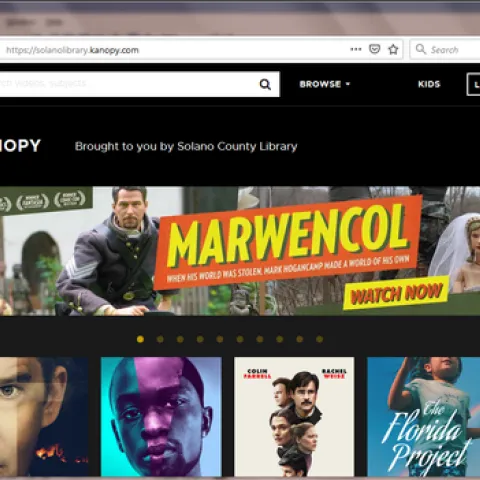
kanopy
Under the Solano Sun: Article

Kanopy

January 22, 2019
No, the Kanopy isn't a plant, but a free service available from your local Solano County Library of interest to gardeners. Kanopy is a video streaming service that offers access to over 30,000 documentaries, educational videos, and independent films.
View Article
Article

Listen Up: “Seed Starting” On In The Garden Radio

January 22, 2019
Teena and Katrina step you through the process in the most descriptive manner you can imagine. This show would be perfect to have in your portable player to have on hand while you are ready to follow along and get set for the upcoming planting season.
View Article
Primary Image
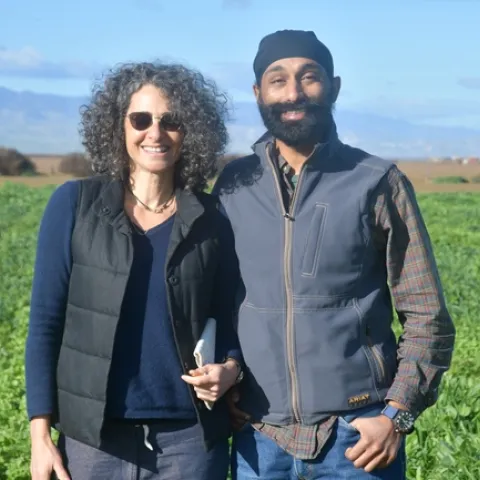
Drs Daphne Miller MD and Jagdeep Singh MD visiting the NRI Project field in Five Points, CA January 21, 2019
Conservation Agriculture: Article

MDs visit NRI Project in Five Points!

January 22, 2019
By Jeffrey P Mitchell
Dr. Daphne Miller MD and Dr. Jagdeep Singh MD visited CASI's long-term NRI Project field in Five Points, CA on January 21st to learn about how long-term reduced disturbance and cover crop management impact soil biology and to talk about connections between soil health and human health. Dr.
View Article
Primary Image
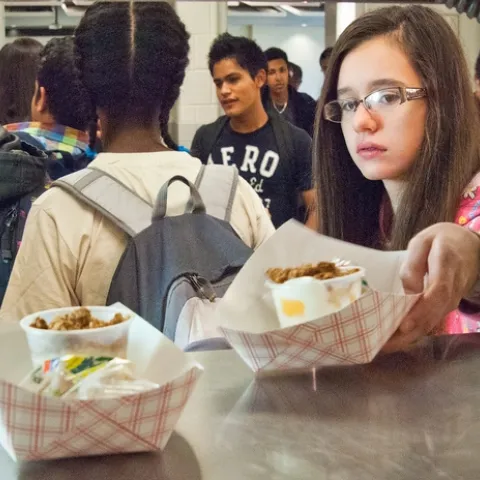
Eating lunch at school helps students make better food choices. (Photo: USDA)
Food Blog: Article

Healthy food and food insecurity

January 22, 2019
By Jeannette Warnert
Farmers grow lettuce, spinach, broccoli and other vegetables in California's Imperial Valley, Central Valley, Salinas Valley and far northern counties. However, these nutritious foods are not readily available to local low income communities.
View Article
Primary Image
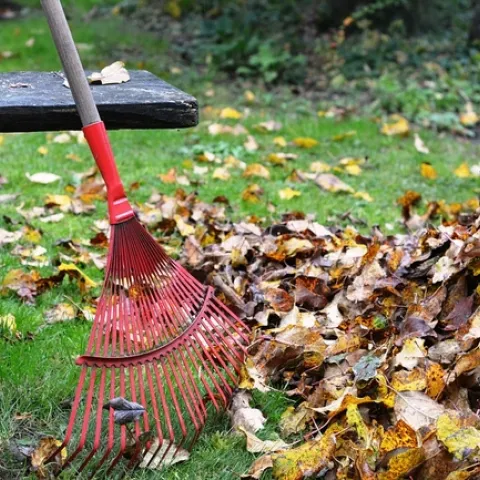
raking leaves
The Stanislaus Sprout: Article

Turn Fallen Leaves into Compost

January 21, 2019
By Anne E Schellman
Did you know that fallen leaves can become a valuable garden resource? You can turn these leaves into compost. Although low in essential plant nutrients like nitrogen, the leaves still contain small amounts of all the nutrients plants need and are a valuable source of soil-improving organic matter.
View Article
ANR Adventures: Article

Far from dry

January 21, 2019
By Wendy Powers
In between the rain, tornado warnings, and disappointing playoff games, I took some time this long weekend to engage in some hobbies to engage my creative side. For the most part, this was relaxing. While not a hobby, I started my taxes.
View Article
Primary Image
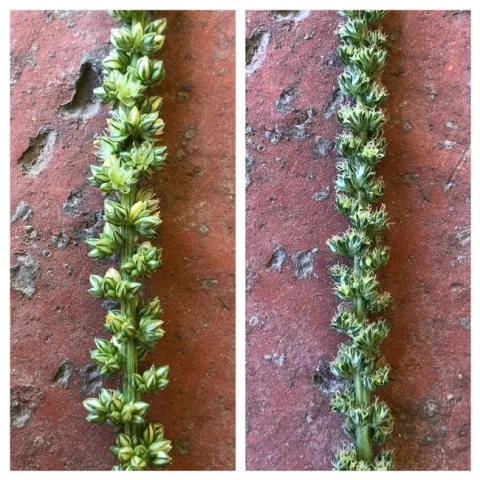
Waterhemp flowers
Notes in the Margins: Agronomy and Weed Science Musings: Article

Sixty Second Science Snippet: January 2019

January 21, 2019
Floral terminology: Perfect vs imperfect, monoecious vs dioecious Perfect flowers: contain both male parts (stamens, the male fertilizing organ of a flower, typically consisting of a pollen-containing anther and a filament) and female parts (pistils, the female organs of a flower, comprising the sti...
View Article