A Natural Solution for California's Herds: African Catfish Peptides

California's cattle producers and agricultural communities are all too familiar with the rising challenge of antibiotic resistance, making common bacterial infections harder to treat in livestock. But imagine a future where we could tackle these infections with a natural, powerful alternative. Our research points to just that: antimicrobial peptides (AMPs) found in African catfish.

We're really excited about these peptides because African catfish thrive in pathogen-rich freshwater, naturally producing these robust immune compounds in their skin mucus as a defense. This natural origin makes them highly appealing alternatives to synthetic drugs.

Predicted Safety and Potent Action

One of the most compelling aspects of these AMPs is their predicted safety for mammals. Our initial computer analyses suggest that various catfish AMPs are generally recognized as safe (GRAS). We predict they'll be absorbed in the human intestine without causing liver, brain, or heart toxicity. Furthermore, lab tests on a promising peptide, NACAP-II, confirmed it was non-hemolytic, meaning it didn't damage rabbit red blood cells—a strong indicator of its potential safety for mammalian cells.

Beyond safety, these peptides demonstrate effectiveness against problematic bacteria. One study revealed NACAP-II's strong activity against Extended-Spectrum Beta-Lactamase (ESBL)-producing Escherichia coli—a critical concern for both animal and human health due to its resistance to many common antibiotics. Another peptide, ACAP-IV, also showed antibacterial activity against E. coli and Staphylococcus aureus. We believe these AMPs work by directly disrupting bacterial cell membranes, a mechanism that makes it harder for bacteria to develop resistance compared to how they resist traditional antibiotics.
Primary Image
A screen shot of Greg Kareofelas' video on Gulf Fritillaries.
Entomology & Nematology News: Article

What's a Picnic Without Bugs?

April 16, 2021
By Kathy Keatley Garvey
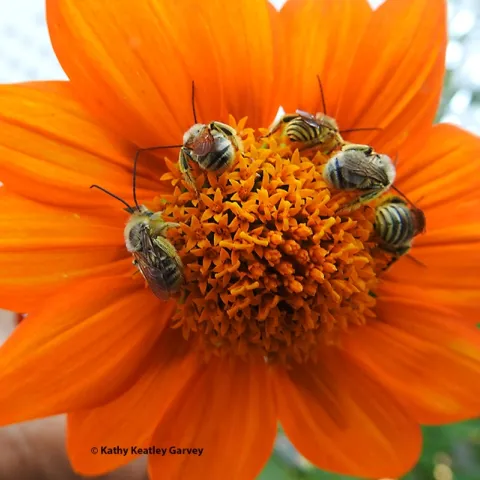
What's a picnic without bugs? Entomological offerings will be showcased at the 107th annual UC Davis Picnic Day, themed "Discovering Silver Linings," to take place virtually on Saturday, April 17.
View Article
Primary Image
Master Gardeners Volunteers
Nuestra Comunidad: Article

The importance of volunteering at UC ANR

April 16, 2021
By Ricardo A Vela
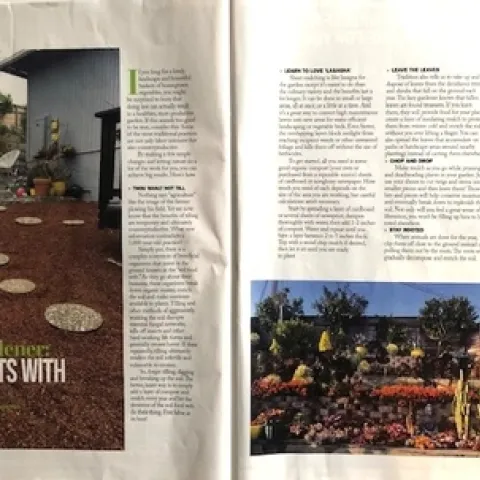
Spanish click here They are considered the backbone of any non-profit organization. They strongly believe in the objectives of the institution to which they invest their time. Of course, I am talking about volunteers. Special people whose motivation is to change the communities where they live.
View Article
Primary Image
nitrogen avocado
Topics in Subtropics: Article

Nitrogen Management Classes

April 16, 2021
By Ben A Faber
Are you interested in learning more about Nitrogen Management? Are you a Certified Crop Advisor seeking Continuing Education Units and/or preparing for the new California Nitrogen Specialty Exam? Has your grower clientele asked you if you are eligible to sign off on a Nitrogen Management Plan?
View Article
Primary Image
Brown Marmorated Stink Bug, Mr. Jesus Lara, UC Regents.
The Real Dirt: Article

Watch out for the Brown Marmorated Stink Bug

April 16, 2021
As our weather warms, be on the lookout for the Brown Marmorated Stink Bug (BMSB). It's important to be able to recognize this voracious pest in order to prevent its spread.
View Article
Primary Image
hombre desempleado en busca de empleo
Comunidades Saludables: Article

Lecciones financieras en momentos de COVID-19

April 15, 2021
By Ricardo A Vela
A lo largo de la historia en Estados Unidos se han registrado varias turbulencias financieras que han dejado a los sobre vivientes de las crisis con la pregunta qu hubiera podido hacer diferente?
View Article
Primary Image
Voluntaria con jovencita mostrandoles como trabajar en un jardín
Nuestra Comunidad: Article

La importancia del voluntariado en UC ANR

April 15, 2021
By Ricardo A Vela
English click here Son considerados la columna vertebral de toda organizacin sin fines de lucro, y son aquellas personas que comparten los objetivos de la institucin a la que dedican su tiempo.
View Article