A Natural Solution for California's Herds: African Catfish Peptides

California's cattle producers and agricultural communities are all too familiar with the rising challenge of antibiotic resistance, making common bacterial infections harder to treat in livestock. But imagine a future where we could tackle these infections with a natural, powerful alternative. Our research points to just that: antimicrobial peptides (AMPs) found in African catfish.

We're really excited about these peptides because African catfish thrive in pathogen-rich freshwater, naturally producing these robust immune compounds in their skin mucus as a defense. This natural origin makes them highly appealing alternatives to synthetic drugs.

Predicted Safety and Potent Action

One of the most compelling aspects of these AMPs is their predicted safety for mammals. Our initial computer analyses suggest that various catfish AMPs are generally recognized as safe (GRAS). We predict they'll be absorbed in the human intestine without causing liver, brain, or heart toxicity. Furthermore, lab tests on a promising peptide, NACAP-II, confirmed it was non-hemolytic, meaning it didn't damage rabbit red blood cells—a strong indicator of its potential safety for mammalian cells.

Beyond safety, these peptides demonstrate effectiveness against problematic bacteria. One study revealed NACAP-II's strong activity against Extended-Spectrum Beta-Lactamase (ESBL)-producing Escherichia coli—a critical concern for both animal and human health due to its resistance to many common antibiotics. Another peptide, ACAP-IV, also showed antibacterial activity against E. coli and Staphylococcus aureus. We believe these AMPs work by directly disrupting bacterial cell membranes, a mechanism that makes it harder for bacteria to develop resistance compared to how they resist traditional antibiotics.


Site

California Fish Website

This site provides information and links about California's freshwater and anadromous fish, current aquatic management issues, and research that is being done to improve the conservation of native fish species.
View Site
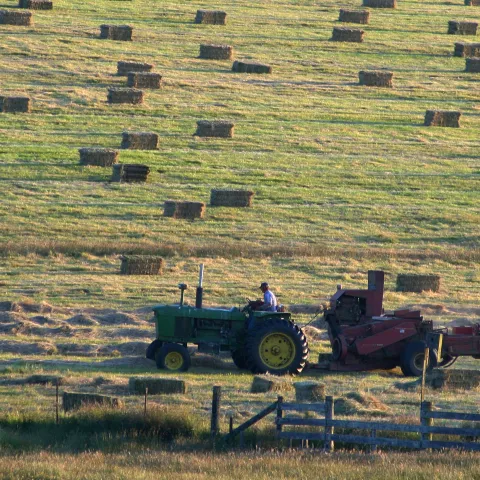
hay bales
Site

Grown in Marin

Grown in Marin is dedicated to Marins agricultural industry, with information & resources for both producers and the general public. Click on For Farmers & Ranchers to access research and best practices geared towards the many sectors within Marin agriculture animal and vegetable, land and sea.
View Site
Vegetables
Site - County Office

San Bernardino County

Welcome to University of California Cooperative Extension, San Bernardino County We develop and extend practical research-based information in agriculture and natural resource to the residents and workforce of San Bernardino County through a trained core of academics, staff, and volunteers.
View Site
Organic broccoli in a Field in Monterey County
Site - County Office

Monterey County

Monterey County is recognized as the Salad Bowl of the World. Its temperate climate, rich soils, and unparalleled infrastructure make this the ideal growing area for cool season vegetables, wine grapes, strawberries and flowers.
View Site
farmers-market
Site - Statewide Program

UC ANR Small Farms Network

University of California Cooperative Extension (UCCE) Small Farms Advisors and program staff serve as an information hub connecting small-scale farms to research and education resources of the University of California.
View Site
up close image of California poppies
Site

California 4-H Association

The California 4-H Association is a nationally recognized network of youth development professionals committed to advancing the professional status of the 4-H staff and academics through professional improvement.
View Site
Green hills
Site - County Office

Colusa County

The University of California's 64 Cooperative Extension (UCCE) offices are local problem-solving centers. More than 400 campus-based specialists and county-based farm, home, and youth advisors work as teams to bring the University's research-based information to Californians.
View Site
Primary Image
Kale and bok choi are among the edibles thriving in the Edible Garden in January. Anne Ryder
The Real Dirt: Article

Winter in the Master Gardeners Demonstration Garden

February 2, 2026
A visit to the Master Gardeners Demonstration Garden at this time of year is a bit like a scavenger hunt: a little bit of searching may be required. For example, try to find two plants in bloom; identify some plants that are still completely dormant as winter marches on; look for any signs that spring is…
View Article