A Natural Solution for California's Herds: African Catfish Peptides

California's cattle producers and agricultural communities are all too familiar with the rising challenge of antibiotic resistance, making common bacterial infections harder to treat in livestock. But imagine a future where we could tackle these infections with a natural, powerful alternative. Our research points to just that: antimicrobial peptides (AMPs) found in African catfish.

We're really excited about these peptides because African catfish thrive in pathogen-rich freshwater, naturally producing these robust immune compounds in their skin mucus as a defense. This natural origin makes them highly appealing alternatives to synthetic drugs.

Predicted Safety and Potent Action

One of the most compelling aspects of these AMPs is their predicted safety for mammals. Our initial computer analyses suggest that various catfish AMPs are generally recognized as safe (GRAS). We predict they'll be absorbed in the human intestine without causing liver, brain, or heart toxicity. Furthermore, lab tests on a promising peptide, NACAP-II, confirmed it was non-hemolytic, meaning it didn't damage rabbit red blood cells—a strong indicator of its potential safety for mammalian cells.

Beyond safety, these peptides demonstrate effectiveness against problematic bacteria. One study revealed NACAP-II's strong activity against Extended-Spectrum Beta-Lactamase (ESBL)-producing Escherichia coli—a critical concern for both animal and human health due to its resistance to many common antibiotics. Another peptide, ACAP-IV, also showed antibacterial activity against E. coli and Staphylococcus aureus. We believe these AMPs work by directly disrupting bacterial cell membranes, a mechanism that makes it harder for bacteria to develop resistance compared to how they resist traditional antibiotics.

Primary Image
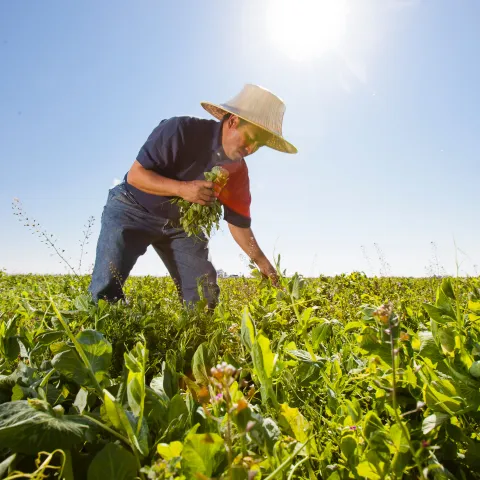
A farmer stands in a lush field of cover crops. He bends over grabbing a handful of foilage.
Blog

UC Small Farms Network Blog

Stay connected with the latest from the UC Small Farms Network. Our blog features field-based insights, educational resources, program updates, event announcements, and stories from farmers and agricultural communities across California. Whether you're a grower, service provider, researcher, or partner, you…
View Blog
Under the Solano Sun: Article

Creative Miku

May 18, 2026
By Mike Gunther
 Be all creative Grow plants never grown before Plant outside the box 
View Article
Santa Clara County Cooperative Extension: Event

Composting Basics Workshop, San Jose

Event Date
Jul 11, 2026

Learn the art and science behind composting from a local Certified Master Composter. Learn about the importance of managing your organic waste (food scraps and yard trimmings) at home. As the drought worsens and the climate warms, home-based waste management has never been more relevant. With wide reaching…
Santa Clara County Cooperative Extension
View Event
Event Primary Image
walnuts on a tree
UC Marin Master Gardeners: Event

Nuts!

Event Date
May 30, 2026

Program: Can you grow Nuts in Marin? Some think nuts are tough to crack. Come learn about the dos and don’ts of growing these nutritious, delicious snacks in our area. Learn about the six most popular nuts, their attributes and how to grow and store them. We’re nuts about nuts!Speakers: Keri Pon has been a…
UC Marin Master Gardeners
View Event
UC Master Gardeners of the Lake Tahoe Basin: Article

Central Sierra: Chard Growing Instructions

May 18, 2026
Eaten raw as a young leafy green, or sautéed as a mature stem & leaf, Chard is an easy-to-grow vegetable that is among the most versatile. It’s also known as Swiss Chard (though the plant originated in the Mediterranean.)  Growing in the rainbow-colors available adds a visual pop to any vegetable …
View Article
Primary Image
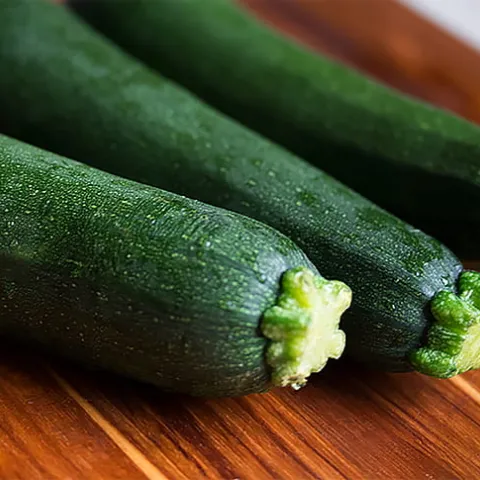
3 zucchini on a wooden board
Master Food Preserver Program of San Diego County: Page

Zucchini Pineapple

Out of ideas for how to use all that zucchini coming out of the garden? This is a great way to preserve homegrown zucchini and a lovely complement to any summer barbecue menu.  Yield: ~ 8 to 9 pint jars Prep: 15 Minutes Processing: 15 Minutes  Ingredients: • 4 quarts cubed or shredded zucchini • 46…
View Page
Primary Image
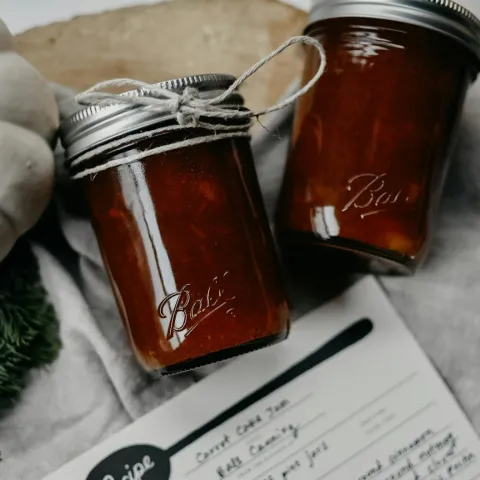
two ball mason jars containing carrot cake jam tied with twine sitting on top of a printed recipe page
Master Food Preserver Program of San Diego County: Page

Carrot Cake Jam

Sweetened with crushed pineapple and spices, this sunny fall jam tastes just like carrot cake. It makes a perfect gift for any occasion. Yield: 6 half-pint jars Prep: 40 Minutes Processing: 10 Minutes Ingredients: • 1 ½ cups finely grated, peeled carrots • 1 ½ cups chopped, cored, peeled pears • 1 ¾ cups…
View Page
Primary Image
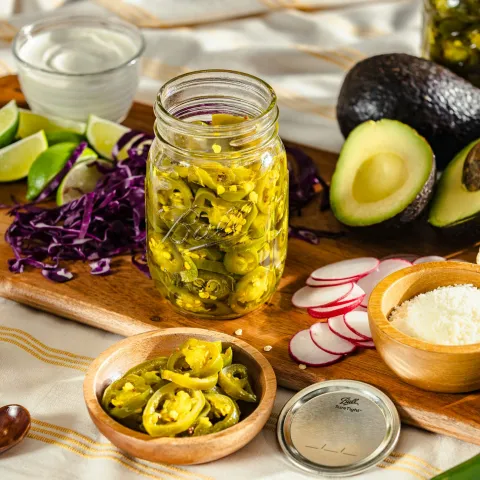
a jar of sliced jalapenos sits on a cutting board surrounded by shredded red cabbage, lime wedges, bowl of salt, sliced radishes, halved avocados, and tortillas
Master Food Preserver Program of San Diego County: Page

Candied Jalapeños

These candied jalapeños deliver a real punch of sweet heat. Outstanding on sandwiches, nachos, in tacos and topping chili. These will become a pantry staple! Yield: ~ 4 pint jars Prep: 25 Minutes Processing: 15 Minutes Ingredients: • 3 cups vinegar, apple cider or white (5% acidity) • 2 tsp salt • 4 cups…
View Page
UC Master Gardeners of the Lake Tahoe Basin: Article

Central Sierra: Lettuce Growing Instructions

May 18, 2026
Lettuce is a very popular vegetable, and can be grown spring through fall in the Tahoe Basin.  Lettuces come in a wide variety of reds and greens and can add a beautiful element to an edible garden.  Many varieties can be harvested on an as-needed basis, making for a very convenient source of fresh…
View Article
Primary Image
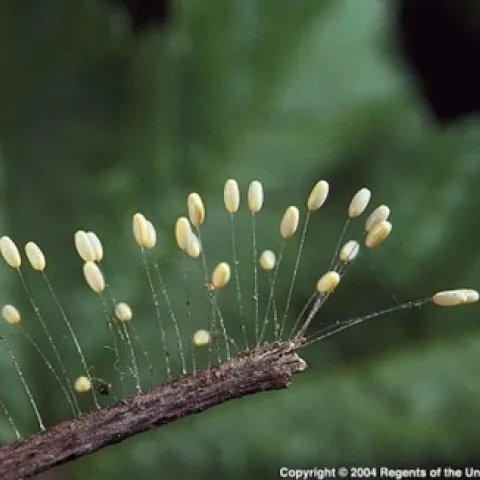
a single tiny white egg sits atop each of a cluster of ultrafine hairs
UC Master Gardeners of the Lake Tahoe Basin: Article

Central Sierra: Bugs Are Incredible!

May 18, 2026
Introducing the good, the bad, and the ugly by UC Master Gardener of Lake Tahoe Basin, Bonnie TurnbullBugs. ICK! Annoying flits circling your eyes. That tickle on your skin after dark.  The whine of a mosquito. Stingers.  Okay.  I agree--to a point. Who could love a mosquito--an insect…
View Article
Primary Image
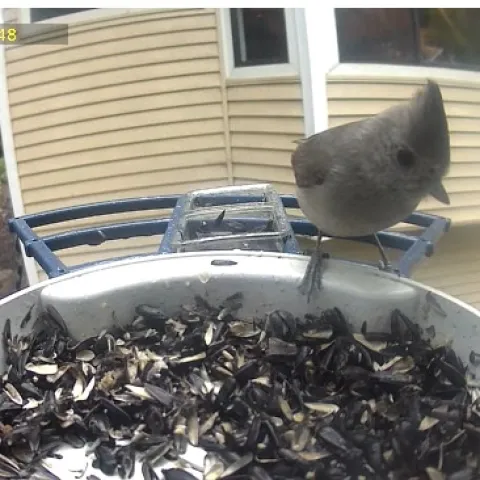
Oak titmouse sitting on a bird feeder outside a home.
UC Master Gardeners of Tuolumne County: Article

Smart Bird Feeders in Tuolumne County

May 18, 2026
A digital (or “smart”) birdfeeder? You’ve got to be kidding. Why would I need such a thing? If you are fascinated by the bird visitors to your garden, this might be the gadget for you. Digital birdfeeders give you the ability to “watch” feathered friends in action. These devices take photos and videos…
View Article