A Natural Solution for California's Herds: African Catfish Peptides

California's cattle producers and agricultural communities are all too familiar with the rising challenge of antibiotic resistance, making common bacterial infections harder to treat in livestock. But imagine a future where we could tackle these infections with a natural, powerful alternative. Our research points to just that: antimicrobial peptides (AMPs) found in African catfish.

We're really excited about these peptides because African catfish thrive in pathogen-rich freshwater, naturally producing these robust immune compounds in their skin mucus as a defense. This natural origin makes them highly appealing alternatives to synthetic drugs.

Predicted Safety and Potent Action

One of the most compelling aspects of these AMPs is their predicted safety for mammals. Our initial computer analyses suggest that various catfish AMPs are generally recognized as safe (GRAS). We predict they'll be absorbed in the human intestine without causing liver, brain, or heart toxicity. Furthermore, lab tests on a promising peptide, NACAP-II, confirmed it was non-hemolytic, meaning it didn't damage rabbit red blood cells—a strong indicator of its potential safety for mammalian cells.

Beyond safety, these peptides demonstrate effectiveness against problematic bacteria. One study revealed NACAP-II's strong activity against Extended-Spectrum Beta-Lactamase (ESBL)-producing Escherichia coli—a critical concern for both animal and human health due to its resistance to many common antibiotics. Another peptide, ACAP-IV, also showed antibacterial activity against E. coli and Staphylococcus aureus. We believe these AMPs work by directly disrupting bacterial cell membranes, a mechanism that makes it harder for bacteria to develop resistance compared to how they resist traditional antibiotics.

Site

ANR Survey System Help

The Survey Registration and Payment tool is a versatile system that can be used to fit many needs. Common uses for the survey tool range from registration forms utilizing Credit Card payments to complex information acquisition forms. You must be logged into your UCANR Portal.
View Site
UC-Master-Gardeners-Sonoma-County-winter-spring-2026
Site

UC Master Gardener Program of Sonoma County

 The UC Master Gardeners of Sonoma County are dedicated to helping home gardeners in Sonoma County. We are University of California-trained and certified volunteers providing research-based knowledge, information and education to help you and your garden thrive. Learn from us about how to garden using…
View Site
Site

Wolfskill Experimental Orchards

"The Wolfskill Experimental Orchards are a research treasure," says Professor Ted DeJong, a University of California pomologist and the Orchard's director.
View Site
Event Primary Image
us master gardeners santa clara , palo alto
UC Master Gardeners of Santa Clara County: Event

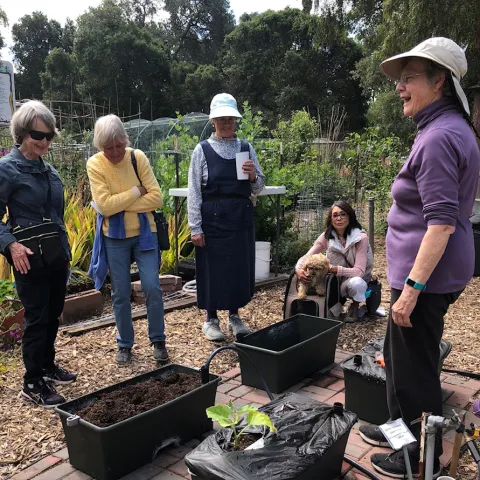
PADG Open Garden Saturdays- Palo Alto

Event Date
Jul 4, 2026

The Palo Alto Demonstration Garden‘s edible and waterwise areas are open and staffed by Master Gardeners every Saturday morning, 10 am to noon, from May through October (weather permitting). Come explore the gardens, ask questions, and get plant and garden advice.
UC Master Gardeners of Santa Clara County
View Event
Event Primary Image
us master gardeners santa clara , palo alto
UC Master Gardeners of Santa Clara County: Event

PADG Open Garden Saturdays- Palo Alto

Event Date
May 30, 2026

The Palo Alto Demonstration Garden‘s edible and waterwise areas are open and staffed by Master Gardeners every Saturday morning, 10 am to noon, from May through October (weather permitting). Come explore the gardens, ask questions, and get plant and garden advice.
UC Master Gardeners of Santa Clara County
View Event
Event Primary Image
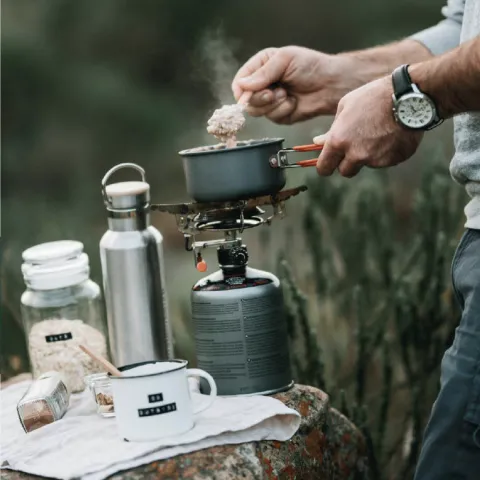
Making a dehydrated meal out in nature
UC Master Food Preservers of Sonoma County: Event

Dehydration: Meals for Camping, Backpacking or Even Your Pantry

Event Date
Jun 13, 2026

Come learn how to make your own lightweight dehydrated meals and snacks that are perfect for camping, backpacking, or stocking your pantry!  In this class, led by UC Master Food Preservers of Sonoma County, you'll start the morning with samples of dehydrated snacks, tea, and coffee while learning the…
UC Master Food Preservers of Sonoma County
View Event
Event Primary Image
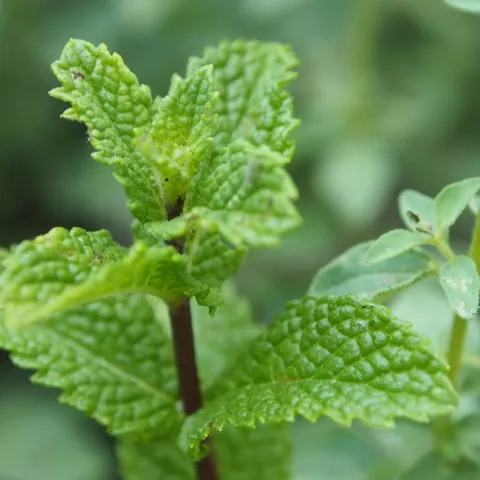
Mint plant
UC Master Gardeners of San Mateo & San Francisco Counties: Event

Learn All About Herbs

Event Date
Jun 14, 2026

Join UC Master Gardeners at this free event at the San Carlos Library. The class will focus on easy-to-grow herbs and and what you can do with them. Usages will include household and beauty applications, crafting and cooking. The class will be held on the library’s herb garden patio. There will be…
UC Master Gardeners of San Mateo & San Francisco Counties
View Event
UC Master Gardener Program of Contra Costa County: Article

Resources for Climate Change and Your Garden

May 16, 2026
By CoCoMG Helpdesk
IntroductionBelow is a list of curated resources by UC Master Gardeners of Contra Costa County CoComgmedia@ucanr.eduGeneral ResourcesBernalillo County, New Mexico – Field Guide for Passive Rainwater Harvesting https://www.bernco.gov/public-works/wp-content/uploads/sites/76/2023/05/Passive-Rainwater…
View Article
UC Master Gardeners of Tulare and Kings County: Article

California Native Bees

May 16, 2026
By Peyton Ellas, UC Master Gardener of Tulare/Kings County
We have about 1600 native bee species in California, but the honeybee is not one of them. The European honeybee is an important part of agriculture, the beekeeping hobby, and home gardens. Honeybees are easy to hold captive and move around, and the species produces honey, but it is not the most efficient…
View Article