A Natural Solution for California's Herds: African Catfish Peptides

California's cattle producers and agricultural communities are all too familiar with the rising challenge of antibiotic resistance, making common bacterial infections harder to treat in livestock. But imagine a future where we could tackle these infections with a natural, powerful alternative. Our research points to just that: antimicrobial peptides (AMPs) found in African catfish.

We're really excited about these peptides because African catfish thrive in pathogen-rich freshwater, naturally producing these robust immune compounds in their skin mucus as a defense. This natural origin makes them highly appealing alternatives to synthetic drugs.

Predicted Safety and Potent Action

One of the most compelling aspects of these AMPs is their predicted safety for mammals. Our initial computer analyses suggest that various catfish AMPs are generally recognized as safe (GRAS). We predict they'll be absorbed in the human intestine without causing liver, brain, or heart toxicity. Furthermore, lab tests on a promising peptide, NACAP-II, confirmed it was non-hemolytic, meaning it didn't damage rabbit red blood cells—a strong indicator of its potential safety for mammalian cells.

Beyond safety, these peptides demonstrate effectiveness against problematic bacteria. One study revealed NACAP-II's strong activity against Extended-Spectrum Beta-Lactamase (ESBL)-producing Escherichia coli—a critical concern for both animal and human health due to its resistance to many common antibiotics. Another peptide, ACAP-IV, also showed antibacterial activity against E. coli and Staphylococcus aureus. We believe these AMPs work by directly disrupting bacterial cell membranes, a mechanism that makes it harder for bacteria to develop resistance compared to how they resist traditional antibiotics.
Primary Image
5C8BB7AA-B098-4A8A-90F9-F8A602717B12 1 105 c
UCCE Master Gardeners of San Bernardino County Blogs: Article

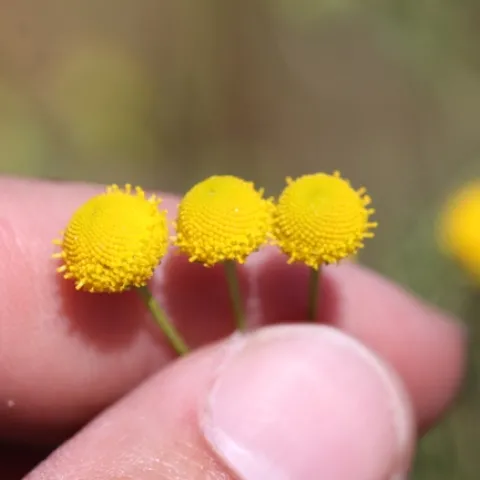
Stinknet in San Bernardino County

June 24, 2021
By Chris J McDonald
Stinknet (Oncosiphon pilulifer) is a relatively new weed to North America and has been moving quickly and spreading in San Bernardino County. Gardeners may have noticed this unusual yellow-flowered plant growing in their yard this year, even though we are in a significant drought.
View Article
Primary Image
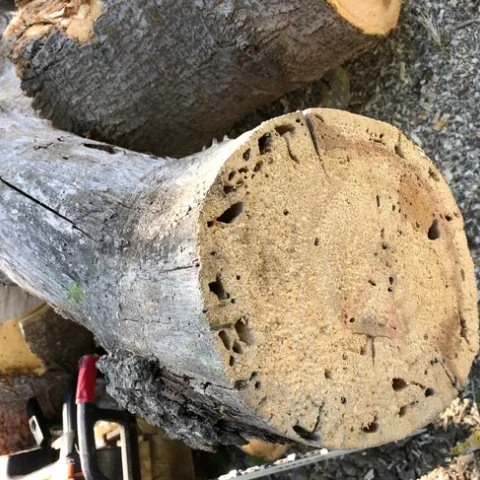
shot hole borer feeding
Topics in Subtropics: Article

Beetle:Fungus Symbiosis?

June 24, 2021
By Ben A Faber
David Peris, Xavier Delcls, Bjarte Jordal https://doi.org/10.1111/brv.12763 A beetle bores a tree trunk to build a gallery in the wood in order to protect its lay. As it digs the tunnel, it spreads ambrosia fungal spores that will feed the larvae.
View Article
ANR Adventures: Article

Time flies

June 23, 2021
By Wendy Powers
Congratulations to Katherine Uhde! Katherine has been accepted into the Bloomberg American Health Initiative Fellowship Program at Johns Hopkins University. The Program is unique and a partnership between UC ANR and JHU.
View Article
Article

Masks and other guidance

June 23, 2021
By Pamela S Kan-Rice
This message is to follow-up on last week's ANR Update about Reopening Guidelines for UC ANR locations.
View Article
Primary Image
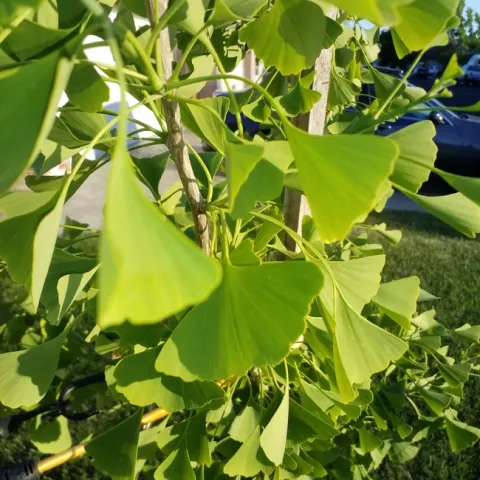
ginkgo
Under the Solano Sun: Article

Ginkgo

June 23, 2021
The Ginkgo tree, also known as the maidenhair tree is the only living seed plant in the division Ginkgophyta, all others are extinct. It has quite a history as it is a living leaf fossil dating back 270 million years ago and is native to China.
View Article
Primary Image
Tim Wallace
ANR Employee News: Article

In memoriam: Tim Wallace

June 23, 2021
By Pamela S Kan-Rice
Tim Wallace, UC Cooperative Extension specialist emeritus, passed away May 14, 2021, at home in Berkeley. He was 92. Wallace was raised in Winnetka, Ill., and graduated with honors with a bachelor's degree in economics at Harvard University, master's degree at Oregon State University and Ph.D.
View Article
UC Weed Science (weed control, management, ecology, and minutia): Article

Purslane weed seed biology

June 23, 2021
By Steven A Fennimore
Common Purslane Biology Steve Fennimore, Extension Specialist UC Davis July appears to be the period of maximum emergence of common purslane (Portulaca oleracea) see figure 1 attached. Purslane is considered a summer weed with peak emergence occurring during warm weather.
View Article