A Natural Solution for California's Herds: African Catfish Peptides

California's cattle producers and agricultural communities are all too familiar with the rising challenge of antibiotic resistance, making common bacterial infections harder to treat in livestock. But imagine a future where we could tackle these infections with a natural, powerful alternative. Our research points to just that: antimicrobial peptides (AMPs) found in African catfish.

We're really excited about these peptides because African catfish thrive in pathogen-rich freshwater, naturally producing these robust immune compounds in their skin mucus as a defense. This natural origin makes them highly appealing alternatives to synthetic drugs.

Predicted Safety and Potent Action

One of the most compelling aspects of these AMPs is their predicted safety for mammals. Our initial computer analyses suggest that various catfish AMPs are generally recognized as safe (GRAS). We predict they'll be absorbed in the human intestine without causing liver, brain, or heart toxicity. Furthermore, lab tests on a promising peptide, NACAP-II, confirmed it was non-hemolytic, meaning it didn't damage rabbit red blood cells—a strong indicator of its potential safety for mammalian cells.

Beyond safety, these peptides demonstrate effectiveness against problematic bacteria. One study revealed NACAP-II's strong activity against Extended-Spectrum Beta-Lactamase (ESBL)-producing Escherichia coli—a critical concern for both animal and human health due to its resistance to many common antibiotics. Another peptide, ACAP-IV, also showed antibacterial activity against E. coli and Staphylococcus aureus. We believe these AMPs work by directly disrupting bacterial cell membranes, a mechanism that makes it harder for bacteria to develop resistance compared to how they resist traditional antibiotics.
Santa Cruz County: Article

4-H Newsletter December 2020

December 16, 2020
Dear 4-H Families, We are sending you the 4-H newsletter with a new fundraiser for our 4-H program. We have taken a break for the Holiday season but look forward to getting back to 4-H in January.
View Article

About canning chicken

December 16, 2020
To Start: I hope this finds you safe, well and (reasonably) happy. Next: Yes, no posts here for a while . . . This is not because I was sick or without computer access. It was because I was lazy.
View Article
Primary Image
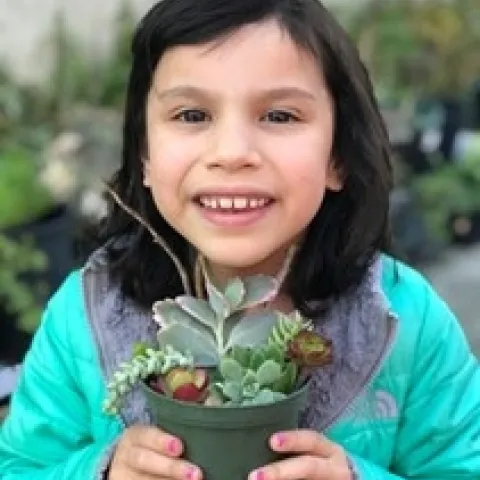
Lina. photo by Elvie DeLeon
Under the Solano Sun: Article

An Interview with a Budding Gardener

December 16, 2020
The day after Thanksgiving, I had the privilege of interviewing a seven-year-old future home gardener and would like to share our conversation: Elvie: I have today a young girl and she would like to tell us something about herself.
View Article
Primary Image
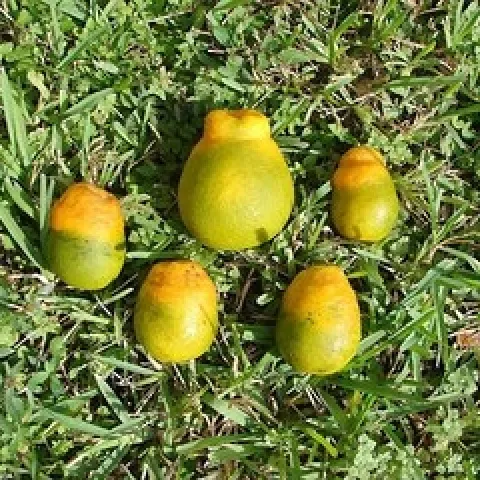
hlb defprmed citrus
Topics in Subtropics: Article

Plant Derivatives for Citrus HLB?

December 16, 2020
By Ben A Faber
Plants get bacterial infections, just as humans do. When food crops and trees are infected, their yield and quality can suffer. Although some compounds have been developed to protect plants, few of them work on a wide variety of crops, and bacteria are developing resistance.
View Article
Primary Image
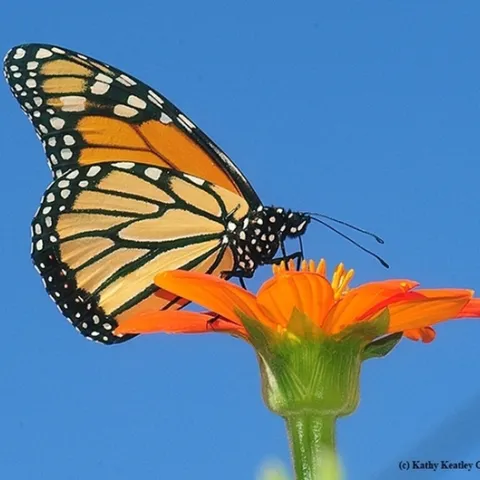
A monarch butterfly nectaring on a Mexican sunflower, Tithonia rotundifolia. (Photo by Kathy Keatley Garvey)
Bug Squad: Article

No Federal Protection for the Monarch Butterflies

December 15, 2020
By Kathy Keatley Garvey
Yes, monarch butterflies qualify for the Endangered Species list. But no, we can't protect them because we don't have the money. That's the gist of what the U.S. Fish and Wildlife Service (USFWS) said today.
View Article
UC Dry Bean Blog: Article

CA Dry Bean Advisory Board Request for Research Proposals - 2021

December 15, 2020
By Michelle M Leinfelder-Miles
The California Dry Bean Advisory Board is requesting applied research proposals for 2021. This commodity-based research request is sponsored by the California Dry Bean Marketing Order, under the guidance of CDFA (CA Dept Food & Ag).
View Article
Primary Image
thumbnail image1
Placer/Nevada 4-H Blog: Article

My Journey Through 4-H by Audrey Graham, Placer County 4-H Ambassador

December 15, 2020
When I first started 4-H, I wanted to dive into every aspect of it that I could. I joined nearly all of the projects and was very excited about swine. I loved learning about them and how to raise them, but soon realized that I would never be able to house a pig because I lived in a suburbia.
View Article