A Natural Solution for California's Herds: African Catfish Peptides

California's cattle producers and agricultural communities are all too familiar with the rising challenge of antibiotic resistance, making common bacterial infections harder to treat in livestock. But imagine a future where we could tackle these infections with a natural, powerful alternative. Our research points to just that: antimicrobial peptides (AMPs) found in African catfish.

We're really excited about these peptides because African catfish thrive in pathogen-rich freshwater, naturally producing these robust immune compounds in their skin mucus as a defense. This natural origin makes them highly appealing alternatives to synthetic drugs.

Predicted Safety and Potent Action

One of the most compelling aspects of these AMPs is their predicted safety for mammals. Our initial computer analyses suggest that various catfish AMPs are generally recognized as safe (GRAS). We predict they'll be absorbed in the human intestine without causing liver, brain, or heart toxicity. Furthermore, lab tests on a promising peptide, NACAP-II, confirmed it was non-hemolytic, meaning it didn't damage rabbit red blood cells—a strong indicator of its potential safety for mammalian cells.

Beyond safety, these peptides demonstrate effectiveness against problematic bacteria. One study revealed NACAP-II's strong activity against Extended-Spectrum Beta-Lactamase (ESBL)-producing Escherichia coli—a critical concern for both animal and human health due to its resistance to many common antibiotics. Another peptide, ACAP-IV, also showed antibacterial activity against E. coli and Staphylococcus aureus. We believe these AMPs work by directly disrupting bacterial cell membranes, a mechanism that makes it harder for bacteria to develop resistance compared to how they resist traditional antibiotics.
ANR Employee News: Article

ANR to close Dec. 29-31 for winter curtailment

November 23, 2020
By Pamela S Kan-Rice
Similar to previous years, ANR units including, Research and Extension Centers, UCCE county offices and the Second Street Building in Davis will be closed from Dec. 24, 2020, through Jan. 1, 2021, except for essential services. ANR offices will reopen on Monday, Jan. 4, 2021.
View Article
Primary Image
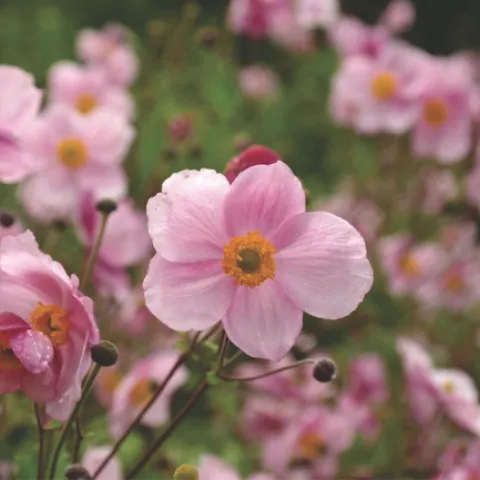
anemone
Spill the Beans: Article

Adapting to Change

November 23, 2020
by Cindy Watter When you have lived in the same place for thirty years, you can accumulate evidence of climate change. I wish I had written it down while it was happening, but I trust you will believe my anecdote.
View Article
Subtropical Fruit Crops Research & Education: Article

Fall 2020

November 23, 2020
Click here to read this issue of the Topics in Subtropics newsletter...
View Article
Primary Image
<i>Photo courtesy of Unsplash</i>
Pests in the Urban Landscape: Article

Appreciating IPM and Our Food

November 22, 2020
With Thanksgiving around the corner, we want to take a moment to appreciate the work that goes into producing the foods we eat at Thanksgiving and every day. There are many pests that attack the crops we grow and many hands that help get food from the field to our tables.
View Article
Primary Image
Lassen County Farm Advisors Update newsletter
UC Weed Science (weed control, management, ecology, and minutia): Article

Lassen County Farm Advisor's Update

November 22, 2020
By Gale Perez
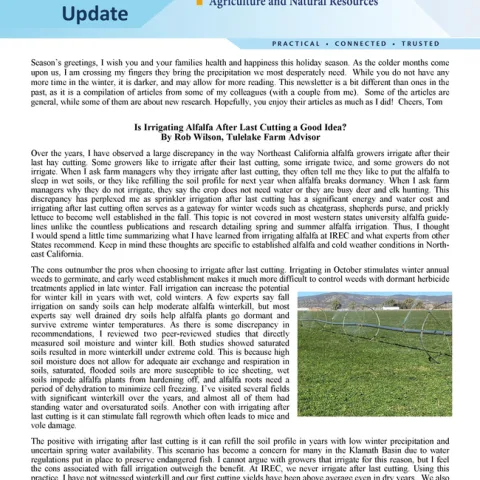
Here's the latest issue of the UC (ANR) Cooperative Extension Lassen County Farm Advisor's Update newsletter: November 2020 contents: Is Irrigating Alfalfa After Last Cutting a Good Idea? What To Do When an Animal Dies?
View Article
Primary Image
Ocotillo on the Boo Hoff trail, Santa Rosa Mountain wilderness
UC Environmental Stewards Blog: Article

Biodiversity at all Scales is Good

November 21, 2020
A "Natural History Note" From UC California Naturalist's new lead scientist, Dr. Cameron Barrows. To many people, biodiversity' is almost synonymous with the word nature,' and nature' brings to mind steamy forests and the big creatures that dwell there. Fair enough.
View Article
Primary Image
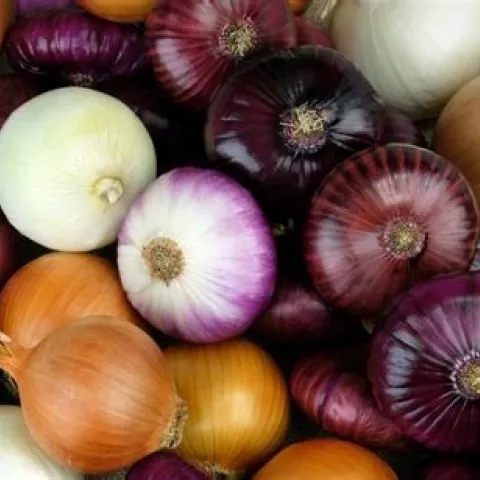
Colors of onion. (medicalnewstoday.com)
Napa Master Gardener Column: Article

Onions, Garlic, Leeks.

November 21, 2020
By Susanne von Rosenberg, UC Master Gardener of Napa County An easy way to spice up your vegetable garden is to plant onions and garlic. They are not difficult to grow. You can plant onions and leeks from now until January for harvest from May through July, depending on the variety.
View Article