A Natural Solution for California's Herds: African Catfish Peptides

California's cattle producers and agricultural communities are all too familiar with the rising challenge of antibiotic resistance, making common bacterial infections harder to treat in livestock. But imagine a future where we could tackle these infections with a natural, powerful alternative. Our research points to just that: antimicrobial peptides (AMPs) found in African catfish.

We're really excited about these peptides because African catfish thrive in pathogen-rich freshwater, naturally producing these robust immune compounds in their skin mucus as a defense. This natural origin makes them highly appealing alternatives to synthetic drugs.

Predicted Safety and Potent Action

One of the most compelling aspects of these AMPs is their predicted safety for mammals. Our initial computer analyses suggest that various catfish AMPs are generally recognized as safe (GRAS). We predict they'll be absorbed in the human intestine without causing liver, brain, or heart toxicity. Furthermore, lab tests on a promising peptide, NACAP-II, confirmed it was non-hemolytic, meaning it didn't damage rabbit red blood cells—a strong indicator of its potential safety for mammalian cells.

Beyond safety, these peptides demonstrate effectiveness against problematic bacteria. One study revealed NACAP-II's strong activity against Extended-Spectrum Beta-Lactamase (ESBL)-producing Escherichia coli—a critical concern for both animal and human health due to its resistance to many common antibiotics. Another peptide, ACAP-IV, also showed antibacterial activity against E. coli and Staphylococcus aureus. We believe these AMPs work by directly disrupting bacterial cell membranes, a mechanism that makes it harder for bacteria to develop resistance compared to how they resist traditional antibiotics.
Article

Integrated Web Platform

August 25, 2020
By Pamela S Kan-Rice
We are pleased to announce that the Integrated Web Platform (IWP) project has been approved and implementation work has begun.
View Article
Nutrition Policy Institute News: Article

Gail Woodward-Lopez and Lorrene Ritchie quoted in Morning Ag Clips article on healthy default beverage policies for restaurant kids' meals

August 25, 2020
By Danielle Lee
Lorrene Ritchie, director and cooperative extension specialist, and Gail Woodward-Lopez, director of research at the UC ANR Nutrition Policy Institute (NPI) were quoted in an August 25, 2020 article in Morning Ag Clips titled "New policies can help provide healthy beverages to children.
View Article
Primary Image
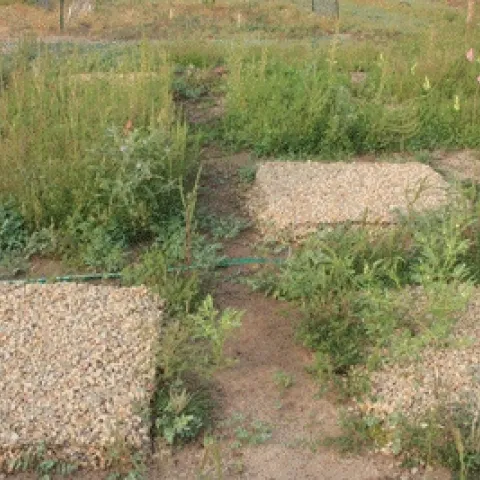
Landscape plants under varying irrigation levels are evaluated at South Coast REC to determine the best irrigation level for optimal plant performance.

$1 million grant expands climate-ready landscape plants program

August 25, 2020
By Pamela S Kan-Rice
A research project initiated in the Department of Plant Sciences at UC Davis evaluates landscape plants in two-year trials under varying irrigation levels to determine the best irrigation level for optimal plant performance in regions requiring supplemental summer water.
View Article
Tehama County: Article

September 2020

August 25, 2020
Just a reminder regarding our in-person activities. As of August 20, we can hold a in-person activity/event with a gathering size of 10 (8 youth and 2 adults). Please make sure you follow the ANR procedures.
View Article
Primary Image
Fire rages towards Clay's Bees during the Vacaville Fire. (Image courtesy of Paul Kuroda, used with permission)
Bug Squad: Article

Clay's Bees: The Bees, They're Gone

August 24, 2020
By Kathy Keatley Garvey
The bees, they're gone. Beekeeper Clay Ford, who owns the Pleasants Valley Honey Company, also known as "Clay's Bees," is devastated. The fast-moving Vacaville Fire, part of the LNU Lightning Complex fires, claimed 73 of his 81 beehives. Gone, millions of bees.
View Article