A Natural Solution for California's Herds: African Catfish Peptides

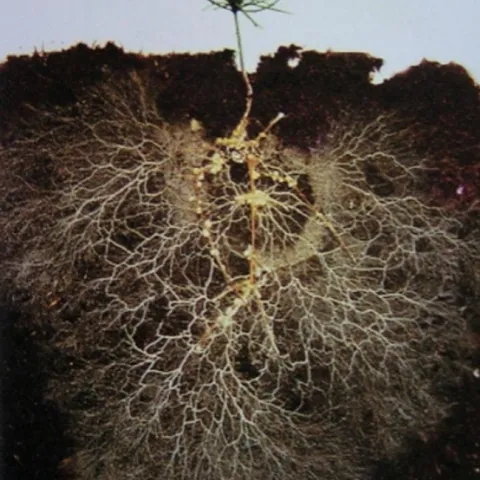
California's cattle producers and agricultural communities are all too familiar with the rising challenge of antibiotic resistance, making common bacterial infections harder to treat in livestock. But imagine a future where we could tackle these infections with a natural, powerful alternative. Our research points to just that: antimicrobial peptides (AMPs) found in African catfish.

We're really excited about these peptides because African catfish thrive in pathogen-rich freshwater, naturally producing these robust immune compounds in their skin mucus as a defense. This natural origin makes them highly appealing alternatives to synthetic drugs.

Predicted Safety and Potent Action

One of the most compelling aspects of these AMPs is their predicted safety for mammals. Our initial computer analyses suggest that various catfish AMPs are generally recognized as safe (GRAS). We predict they'll be absorbed in the human intestine without causing liver, brain, or heart toxicity. Furthermore, lab tests on a promising peptide, NACAP-II, confirmed it was non-hemolytic, meaning it didn't damage rabbit red blood cells—a strong indicator of its potential safety for mammalian cells.

Beyond safety, these peptides demonstrate effectiveness against problematic bacteria. One study revealed NACAP-II's strong activity against Extended-Spectrum Beta-Lactamase (ESBL)-producing Escherichia coli—a critical concern for both animal and human health due to its resistance to many common antibiotics. Another peptide, ACAP-IV, also showed antibacterial activity against E. coli and Staphylococcus aureus. We believe these AMPs work by directly disrupting bacterial cell membranes, a mechanism that makes it harder for bacteria to develop resistance compared to how they resist traditional antibiotics.
Kern County: Article

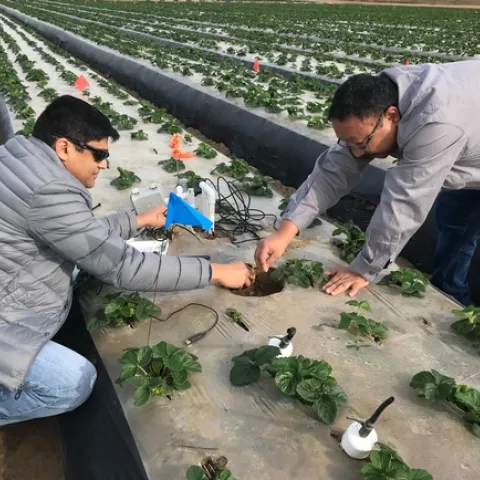
Kern UCCE/DWR Weekly Crop Water Use Report 05-04-2020

May 5, 2020
Please see below link to access "How To Use Weekly Crop Water Use (ET) Reports to Assist Farm Water Management" How To Use Weekly Crop Water Use Report Please see below link to access "Weekly ET Report 05-04-2020" ET Report 05-04-2020 Please see disclaimer link below: University of California Divisi...
View Article
Primary Image
shaduf

Whence Irrigation and the Future?

May 5, 2020
By Ben A Faber
A recent review of how irrigation has been used world round has recently been published. It's worth a read to learn how it hs been done and what we might learn for the presnet and the future.
View Article
Nutrition Policy Institute News: Article

Nutrition Policy Institute study suggests that child care sites participating in CACFP offer more fruits and vegetables to infants

May 5, 2020
By Danielle Lee
Nutrition Policy Institute (NPI) researchers' new study of 297 licensed California child care providers that care for infants suggests that those participating in the federal Child and Adult Care Food Program (CACFP) offered fruits and vegetables more often and sweetened yogurt less often to infants...
View Article
Primary Image
treemendous

Treemendous Learning Webinars

May 5, 2020
By Ben A Faber
Join us on alternate Tuesdays in May and June, 3:00 pm to 4:00 pm, for this opportunity designed for middle and high school students. Treemendous Tuesdays is a collaboration of U.S.
View Article
Primary Image
Buttercup oxalis - Oxalis pes-caprae
Spill the Beans: Article

On a Warm Spring Day

May 5, 2020
Editor's note: Master Gardeners are keeping busy in their own gardens during Napa County's Shelter in Place directive.
View Article
Primary Image
An Asian giant hornet from Blaine, Wash., to be published n the journal, Insect Systematics and Diversity. (Photo by Allan Smith-Pardo of the USDA)

About Those Asian Giant Hornets...

May 4, 2020
By Kathy Keatley Garvey
The sensationalism. fear-mongering and general panic surrounding those Asian giant hornets, aka "murder hornets," detected last year in British Columbia and Washington state, are enough to curdle both the blood and the brain.
View Article
Primary Image
This image of an Asian giant hornet, Vespa mandarinia, is scheduled to appear in an upcoming journal article by Lynn Kimsey and colleagues Allan Smith-Pardo of the USDA and James Carpenter of the America Museum of History, New York. (Photo by Allan Smith-Pardo)
Entomology & Nematology News: Article

About Those Asian Giant Hornets, aka 'Murder Hornets'

May 4, 2020
By Kathy Keatley Garvey
It's ridiculous to call the Asian giant hornet recently found in British Columbia and Washington state the murder hornet, says noted UC Davis wasp expert and researcher Lynn Kimsey, director of the Bohart Museum of Entomology and professor of entomology, UC Davis Department of Entomology and Nematol...
View Article
Primary Image
Scientist's hand showing the underside of a peach leaf, showing the pink color.
UC Cooperative Extension, Ventura County: Article

What is wrong with my peach tree?

May 4, 2020
By Rose M Hayden-Smith
"What is wrong with my peach tree?" Many people have probably asked this question as they have stared in concerned wonder at the distorted leaves of their peach trees. From a distance the striking color patterns may even look like peculiar flowers.
View Article
Primary Image
Sheep shearing class at the UC Hopland Research and Extension Center in 2010. An online Q&A session on sheep shearing will be held this year due to COVID-19 restrictions on in-person meetings.
ANR News Releases: Article

Webinar: Sheep shearing and basic care 101

May 4, 2020
By Hannah M Bird
The University of California Hopland Research and Extension Center (HREC) will offer a sheep shearing and basic care Q&A via Zoom from 3 to 4 p.m. May 7. The session will include advice from experienced shearers, flock managers and fiber experts.
View Article