A Natural Solution for California's Herds: African Catfish Peptides

California's cattle producers and agricultural communities are all too familiar with the rising challenge of antibiotic resistance, making common bacterial infections harder to treat in livestock. But imagine a future where we could tackle these infections with a natural, powerful alternative. Our research points to just that: antimicrobial peptides (AMPs) found in African catfish.

We're really excited about these peptides because African catfish thrive in pathogen-rich freshwater, naturally producing these robust immune compounds in their skin mucus as a defense. This natural origin makes them highly appealing alternatives to synthetic drugs.

Predicted Safety and Potent Action

One of the most compelling aspects of these AMPs is their predicted safety for mammals. Our initial computer analyses suggest that various catfish AMPs are generally recognized as safe (GRAS). We predict they'll be absorbed in the human intestine without causing liver, brain, or heart toxicity. Furthermore, lab tests on a promising peptide, NACAP-II, confirmed it was non-hemolytic, meaning it didn't damage rabbit red blood cells—a strong indicator of its potential safety for mammalian cells.

Beyond safety, these peptides demonstrate effectiveness against problematic bacteria. One study revealed NACAP-II's strong activity against Extended-Spectrum Beta-Lactamase (ESBL)-producing Escherichia coli—a critical concern for both animal and human health due to its resistance to many common antibiotics. Another peptide, ACAP-IV, also showed antibacterial activity against E. coli and Staphylococcus aureus. We believe these AMPs work by directly disrupting bacterial cell membranes, a mechanism that makes it harder for bacteria to develop resistance compared to how they resist traditional antibiotics.
Colusa County: Article

January 2020

January 10, 2020
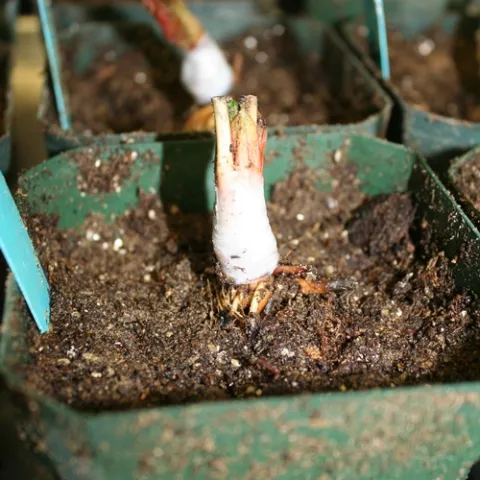
Book of the Month - My New Year's Garden Ornamental Plant of the Month - Amaryllis lily Edible Plant of the Month - Sorrel Recipe of the Month - Pumpkin Curry Soup Events - February Colusa Farm Show, February 4, 5, 6 Second Saturday at the Library, February 8, 10 to noon Garden Chat, January 29 & Fe...
View Article
Primary Image
Photo of sign welcoming CalFresh customers
UC Delivers: Article

UCCE promotes CalFresh to increase access to healthy, local food

January 10, 2020
By Shannon Klisch, Katherine E Soule
A UCCE-led work group promoted the use of EBT/CalFresh and other farmers' market incentives for families to purchase more fruits and vegetables at farmers' markets, resulting in a 30% increase in EBT/CalFresh customers.
View Article
Monterey County: Article

January 2020

January 10, 2020
UPCOMING MEETING EVENT: UC Davis Winter Grape Day 2020 Date: 21 January 2020 at the UC Davis Conference Center for a full-day of lectures and wine tasting.
View Article
Primary Image
Noted entomologist Corrie Moreau (Photo by Roberto Keller-Perez)
Entomology & Nematology News: Article

Ant Specialist Corrie Moreau of Cornell to Speak on 'Evolution of Ants'

January 10, 2020
By Kathy Keatley Garvey
Noted entomologist and ant specialist Corrie Moreau will present a UC Davis Department of Entomology and Nematology seminar, "Piecing Together the Puzzle to Understand the Evolution of the Ants: Macroevolution to Microbiomes" from 4:10 to 5 p.m., Wednesday, Jan.
View Article
Primary Image
young citrus tree
Under the Solano Sun: Article

Be Prepared

January 10, 2020
Now that the overnight temperatures are dipping lower, are you prepared to protect your frost-sensitive plants from winter freezes? If not, now's the time to make sure you have the supplies and a plan in place for an upcoming freeze.
View Article
Primary Image
DSC05081
Intermountain REC News: Article

IREC Call for Proposals

January 10, 2020
By Laurie Askew
The University of California Intermountain Research and Extension Center (IREC) is soliciting proposals for new and continuing research projects for project year 2020-2021.
View Article
Primary Image
weed 1
Topics in Subtropics: Article

Weed Management in Citrus Orchards

January 10, 2020
By Ben A Faber
Department of Botany and Plant Sciences, UC Riverside Proper weed management is important for several reason, but in general younger orchards are much more susceptible to the negative impacts of weed overgrowth.
View Article
Primary Image
Kids watching the plants grow by Karina Hathorn

School Gardens – Teaching Kids How to Grow Their Own Food

January 10, 2020
I want them to all feel like they know how to grow food, says Vicki Wonacott, describing the fundamental goal of the UC Master Gardeners of Butte County School Gardens Program. This program brings how-to horticultural knowledge to first-graders in four of our local elementary schools.
View Article
Primary Image
Beekeepers are gearing up for the California almond polination season, which usually starts around Feb. 14. Here, in this file photo, an industrious bee forages on an almond blossom. (Photo by Kathy Keatley Garvey)
Bug Squad: Article

Meet the President of the American Honey Producers

January 9, 2020
By Kathy Keatley Garvey
January is cold in Bruce, S.D., where the average nighttime temperature dips to 3 degrees. Beekeeper Kelvin Adee, who hails from Bruce, isn't experiencing any of that right now. He's in California--and so are his bees for the almond pollination season.
View Article
Monterey County: Article

4-H Camp Adult Volunteer positions open

January 9, 2020
January 7th, 2020 Dear Monterey County 4-H volunteers, The planning process for our Monterey County 4-H Camp McCandless 2020 is underway. Once again, we will be setting up camp at Camp MayMac, located near Scotts Valley.
View Article