
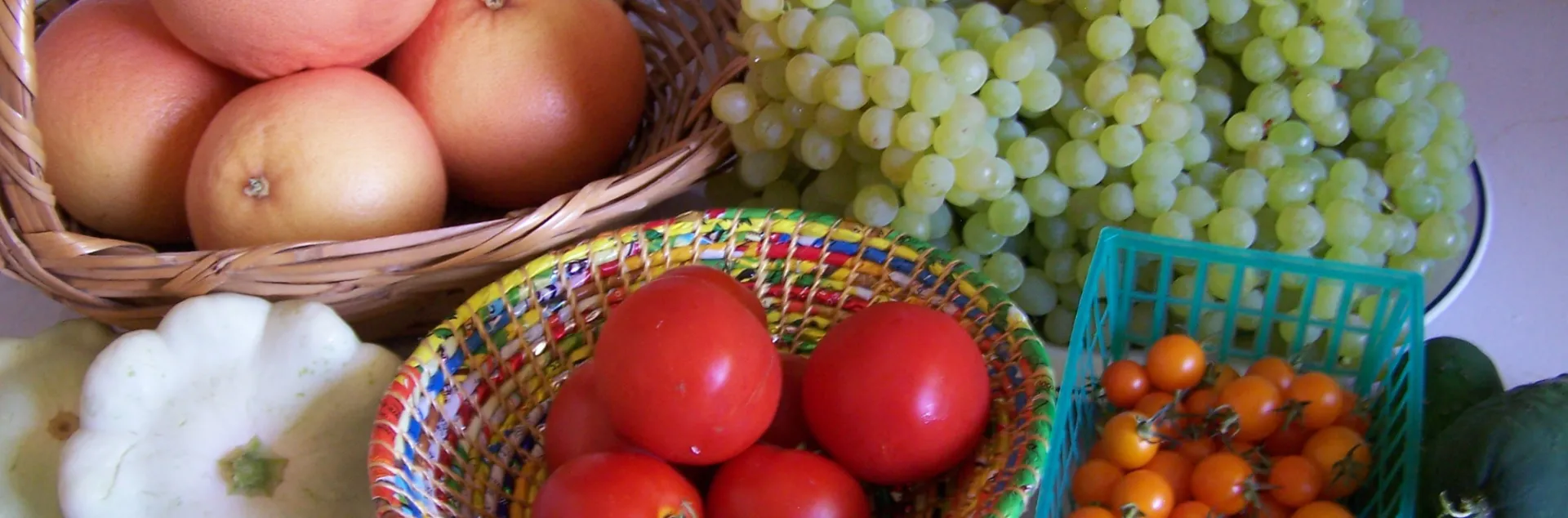
The first tender carrots and radishes in spring, a perfectly ripe tomato in summer - nothing quite matches the bounty from our own gardens. Our mild Bay Area climate allows for successful year-round crops. This section explains what you’ll need to know to get started and to become growing experts.
Climate Zones in San Mateo and San Francisco Counties
The San Francisco Bay Area has a range of microclimates due to its topography and location near the Pacific Ocean and San Francisco Bay. Within San Mateo and San Francisco Counties, climates vary considerably by location. In the two counties, three climate zones have been identified, based on differences in summer and winter temperatures.
Zone A, Hot
Warm to hot summers and cool winters. The least coastal influence.
Roughly equivalent to Sunset Zones 14 to 16 and includes: Atherton, East Palo Alto, La Honda, Menlo Park, Portola Valley, Redwood City, San Carlos, Woodside
Zone B, Sunny
Warm summers with afternoon winds and mild to cool winters. Some coastal influence.
Roughly equivalent to Sunset Zone 16 and includes: Belmont, Burlingame, Foster City, Hillsborough, Millbrae, San Mateo.
Zone C, Foggy
Mild, foggy and windy summers and mild winters. The most coastal influence.
Roughly equivalent to Sunset Zone 17 and includes: Brisbane, Colma, Daly City, Half Moon Bay, Pacifica, San Bruno, San Francisco, San Gregorio, South San Francisco
Planting calendars by climate zones
- Hot: Southern area of San Mateo County
- Sunny: Areas of San Francisco and northern San Mateo County.
- Foggy: Areas of San Francisco and coastal San Mateo County.
Year-round sequence chart
Additional vegetable growing resources
- Edible Gardening
- Growing Food in Raised Beds
- Tomato Planting Tips
- Tomato Pruning
- Growing Container Tomatoes in San Francisco
- Landscaping with Herbs
- Growing Microgreens
Page banner photo courtesy of Ann Gahagen