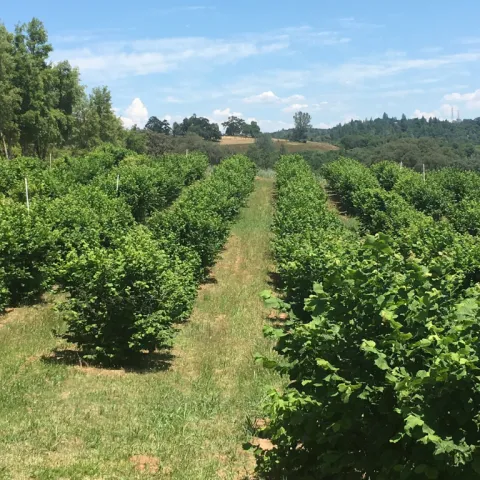

The Central Sierra foothill region consists of mainly small family farms that produce a wide variety of agricultural commodities, including over 50 wine varieties, stone fruit, pome fruit, berries, vegetables, and Christmas trees. At UCCE we hope to improve our local communities by extending research based…
The Central Sierra forestry program seeks to provide the latest research-based information from the University of California to residents, non-profits, and staff of local, state, and federal agencies. Susie Kocher is the Forestry Advisor for the Central Sierra area.
Living with Fire is a challenge in the Sierra Nevada. We live in a fire adapted ecosystem where wildfires used to burn naturally every 8 to 35 years depending on elevation.
Climate Smart Agriculture (CSA) addresses the risk that the agriculture industry faces due to changing climate conditions. It encompasses management practices that increase soil carbon, reduce greenhouse gas emissions, improve on-farm efficiencies, and promote sustainable land practices.
Since 2016, UCCE San Diego has collaborated with eight other universities and institutions nationwide to study the effect that pesticide residue from ornamental horticulture production has on pollinators.
Thanks to all the presenters for sharing their expertise and resources and to the > 150 attendees who chose to spend the day with us! We will be offering the workshop annually and are looking forward to 'seeing' you for the 2021 workshop.
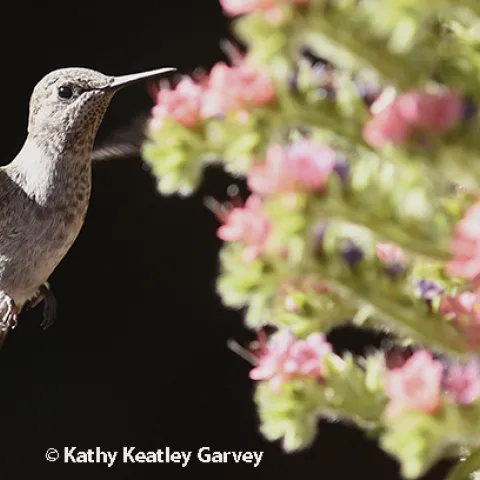
It’s nearing the end of National Pollinator Week, June 22-28.More than 80 percent of all flowering plants rely on pollinators, which are animals that transfer pollen between flowers, facilitating plant reproduction. When most people think of pollinators, they think of bees and butterflies. But…
There is no question that gardening improves the quality of life, as well as the physical and mental well-being of older adults. It is also true that some things get more challenging as we age. Many older adults have two or more chronic conditions. This could make gardening even more important and…
Question: I’ve heard the word “hydrozoning.” What is it and how does it work?Answer: Hydrozoning is key for a healthy garden. Here’s why:Last month in “Dig It!” we provided a guide for assessing the effectiveness of home landscape irrigation in relation to optimizing plant health and reducing disease and…
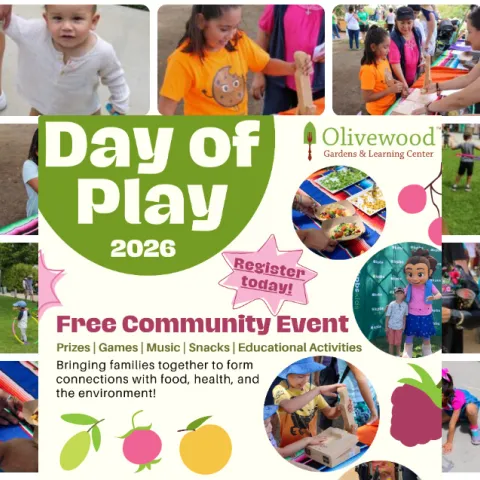
Join us for a FREE family-friendly event where learning, growing, and making healthy choices come to life! This year, expect even more hands-on gardening and cooking activities, brought to you by Olivewood Gardens and amazing community partners.Bring your gardening questions to the UC Master Gardener booth,…
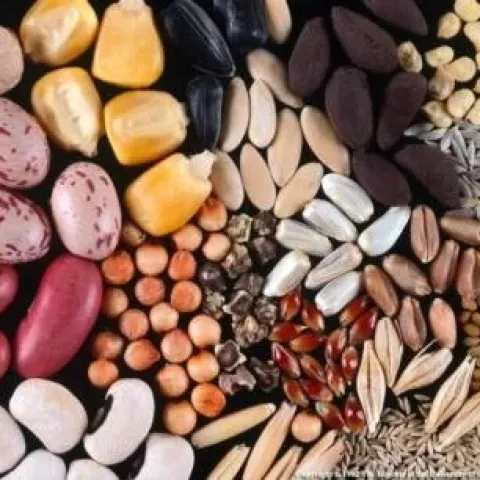
Unlock the Secrets of Seed Saving! Learn how to harvest, process, and store seeds from your own backyard. Discover beginner-friendly techniques to preserve your favorite vegetable varieties, boost your garden’s resilience, and keep your crops growing for generations to come. You'll learn:The…
Please find the attached document to provide the previous week’s estimated water use report in terms of evapotranspiration for almonds, peaches, walnuts, established vineyard, alfalfa, and pasture in Stanislaus County. This report may be used as a guide in your irrigation schedule for the coming week. …
Since 2023, Harvest of the Month has expanded to supply fresh fruit and vegetables to all 30 adult facilities under California Department of Corrections and Rehabilitation.
Blue oak, our most drought-tolerant native oak, grows throughout Solano and Yolo counties. In nature, blue oaks are mostly found on sunny, well-drained soils: “the wettest of the dry places and the driest of the wet places.” Nearby Rockville Hills Regional Park (Fairfield) and Lagoon Valley (Vacaville)…
Have you ever thought about creating your own native habitat garden? Have you heard the term, native habitat garden, and wondered what exactly it was and how you could create one? If so, you have come to the right place!A native habitat garden is a landscaped area that utilizes native plants to create a…