
All about hummingbirds and how to lure them into your garden
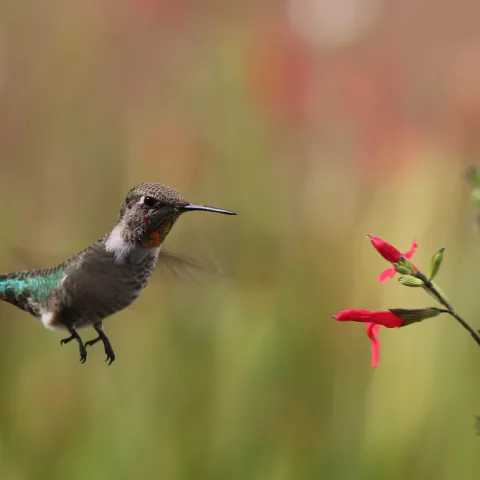
Hummingbirds are magnificent creatures. They perform death-defying feats like thrill-seeking stuntmen, pushing boundaries way beyond that which is humanly possible. Everything about hummingbirds conjures superlatives: the fastest flyers, the smallest size, the biggest eaters, the speediest metabolism. The best part? With a little know-how, you can lure them into your garden to enjoy the show firsthand.
The love life of hummingbirds
When a male hummingbird is pursuing a female, it dive-bombs 50 mph out of the sky in front of her in a U-shaped swoop, screaming first toward the ground at nearly 400 times its body length each second. This is twice as fast as a peregrine falcon, making the hummingbird the fastest moving vertebrate on earth relative to body size.
As it approaches the ground, it spreads its wings and tail and launches into a skyward projectile of 10 g-force, or 10 times the gravitational pull of the Earth. Relative to size, that’s faster than the space shuttle’s re-entry into the atmosphere. To put it in perspective, fighter jet pilots black out or temporarily lose vision above 7-g.
All to get the girl.
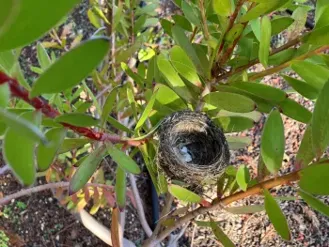
Despite their bravado, these flying machines are the love-’em-and-leave-’em type, always looking for the next tryst. The female, in the meantime, builds a tiny nest of twigs and spider webs high up in a tree where it lays eggs no bigger than jellybeans. Dad takes no responsibility for his hatchlings. Most will die within a year; some will live three years or longer.
Nature’s extremists
As their mating ritual depicts, hummingbirds are extremists. Their behavior, abilities, and physical makeup practically defy reason. They push the extremes of flying, eating, guarding, and even sleeping.
Tiny but powerful
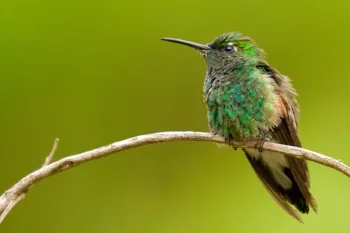
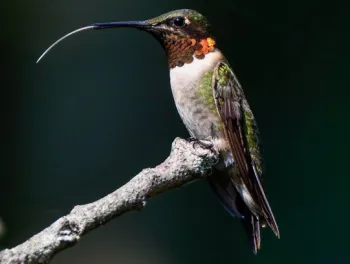
The smallest bird species in North America, hummingbirds only exist in the western hemisphere, from southeast Alaska to Chile. The typical hummingbird is just 3 inches long and weighs less than a nickel, yet it can hover in place, fly forward, upside down, or sideways. It is the only bird that can fly backward. Possessing the fastest metabolism of any animal, the hummingbird’s heart beats up to 1,200 times per minute, and its wings beat up to 200 flaps per second. While at rest, it will take 250 breaths per minute. On an average day, a hummingbird will fly around 25 mph. That’s how fast a ruby-throated hummer flies when migrating across the Gulf of Mexico — for 500 miles, 20 hours, nonstop. And no, it does not hitch a ride on another bird.
Aggressive eaters
To maintain this flurry of intense activity, hummingbirds must eat regularly, heavily, and efficiently. Some flowers have actually coevolved alongside hummingbirds to perfectly accommodate their long, slim beaks: as the birds grab their food, the plant gets pollinated. To stay alive, a hummingbird will eat — must eat — anywhere from half to eight times its body weight every day, which is why it licks the nectar of around 1,000 flowers daily with its forked tongue and gulps down insects for protein. Hummingbirds remember the locations of these nectar sources from years prior and protect favorite food patches like warriors. Despite their wee size, hummingbirds are one of the most aggressive birds. They attack crows and hawks that infringe on their territory and may even try to gouge out a competitor’s eyes.
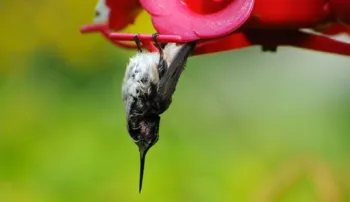
Playing dead
Everything screeches to a halt at night when some hummingbirds go into a state of torpor. Body temperature drops precipitously from 107 to 70 degrees. Heart rate plummets to a human-like 70 beats per minute. Hummingbirds in torpor look dead and are occasionally found hanging upside down.
How to invite hummingbirds into your garden
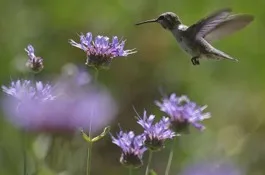
To lure hummingbirds into the garden, you need to provide what they need for survival -- food, water, shelter, and a place to raise their young.
- Food: A hummingbird needs a steady supply of nectar, which means it’s critical to grow the plants they love to visit. Hummingbirds prefer bright red or orange tubular-shaped flowers – the more nectar-rich the better. California native plants are excellent choices, as are other tubular crimson flowers. Check out this list of plants that hummingbirds can’t resist. They also need plenty of insects for protein, so please do NOT use pesticides that may inadvertently kill off an important part of a hummingbird’s diet.
- Water: Hummers need access to clean, fresh water all year long. This does not need to be anything elaborate. A simple bird bath, shallow bowl, mister, or small fountain will do just fine.
- Shelter: Shrubs and vines make good perches for hummingbirds. They prefer sturdy, thin, exposed twigs that give them some protection from the wind. This allows them to keep an eye on their environment and maybe even take a short rest. IMPORTANT: please leave cats indoors. The shelter a hummingbird finds is no match for a cat on the hunt.
- A place to raise their young: Small trees typically make good nesting sites. Hummingbirds use spider silk to create their nests and to attach those nests to branches. So the next time you have an urge to clean up all the spider webs in your garden, please think about the hummingbirds in your neighborhood.
A word about feeders
Growing the plants hummingbirds love is the best way to lure them into your garden. However, if you want to supplement their natural food sources with a hummingbird feeder, it’s important to do it correctly so you don’t end up hurting them. Feeders can be used year-round but must be kept clean and free from ants and bees.
- Recipe: Add one part sugar to three to four parts very hot or boiled tap water. Shake or stir until the sugar is completely dissolved. Fill feeder only with enough to last two days. Store the rest in the refrigerator. Do not add any supplements as this could create problems for the birds.
- Cleaning: Clean the feeder every two to three days, using very hot water, perhaps with a little bleach. Detergent may be used, but do not use detergent and bleach together. Rinse very thoroughly. In warmer weather (above 65 degrees), more frequent cleaning is required as pathogens multiply faster. Refill feeder with a fresh sugar solution.
A Rainbow of Iris
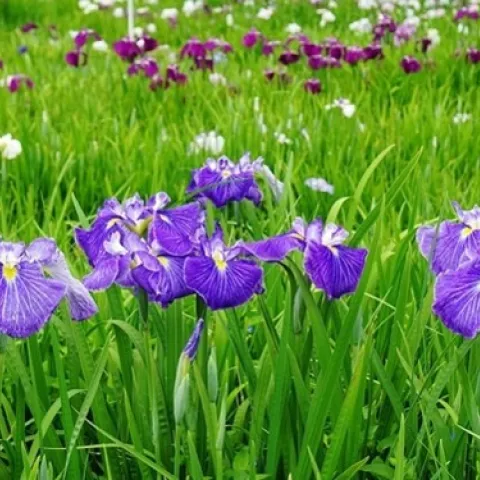
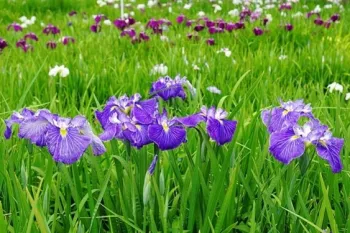
Iris are among the most beloved perennial garden plants because they have striking flowers and are long lived, easy to grow, and attract pollinators. As a bonus, they are also deer resistant. The name iris is taken from Greek mythology meaning “rainbow.” They bloom in a wide range of colors from pure white to the darkest purple with pinks, yellows, and blues in between. The majority bloom in spring or early summer.
Iris have thrived in the wild for thousands of years and have been part of various cultures throughout the world. Egyptian and Indian cultures used iris rhizomes for healing and making perfume. Whether you’re drawn to the delicate California native species that grace Marin’s trails and hillsides or to the bold, showy exotic hybrids that brighten home gardens, iris offer an enduring charm that rewards both new and seasoned gardeners. Their resilience, diversity, and history make them more than just ornamental plants—they are living threads connecting landscapes, cultures, and generations. By choosing the right varieties and giving them thoughtful care, you can enjoy a vibrant rainbow of blooms year after year, each one a reminder of how beautifully nature thrives when we nurture it.
What’s a rhizome?
Most iris grow from rhizomes; some grow from bulbs. Rhizomes are modified stems that have knobs and nodes that spread horizontally at or just below the soil surface. Rhizomatous plants send shoots upward from the nodes and grow in clumps that extend from the same rhizome.
Three types of iris
There are around 280 species of iris in the world, with most native to Europe and Asia. However, there are 28 species native to the US and 10 species native to California. Regardless of where they grow naturally, the American Iris Society puts all Iris into three categories:
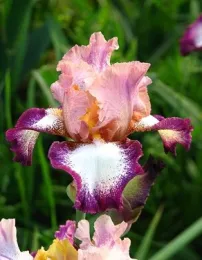
Bearded
These long-lived perennials, available in a multitude of colors, are native to central and southern Europe. They range from 8-inch dwarf varieties to stately 4-foot specimens. They have strappy, sword-shaped, bluish-green leaves. Bearded iris need full sun, well-draining soil, and regular water after planting. For best results, leave the top half of the rhizome exposed to sun and air. See common bearded iris.
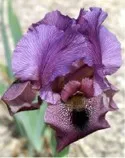
Aril
These iris are famous for their heavily veined flowers and dark spots. Aril iris grow naturally in desert areas, so they’re trickier to grow than bearded or beardless iris. They need super-dry soil and baking-hot sun in summer. Moisture is the enemy! It is critical to keep the rhizomes from being submerged in water during the rainy season. Subsequently, raised beds or hillside settings often work well. Fortunately, there are many hybrids -- called “arilbreds” -- made from crossing arils with bearded iris. They are easy to grow and still have the features of the arils.
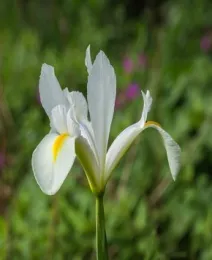
Beardless
Like this Dutch iris, the beardless iris have less dramatic but nonetheless beautiful flowers. Most are native to Asia, such as the Siberian and Japanese iris. This category also includes our beloved Pacific Coast native iris, which bloom throughout California and in western regions of the US. These are the lovely iris that pop up alongside our treasured wildflowers – a delight to see on a springtime walk. Learn more about beardless iris. See below for more about growing California native iris.
Growing bearded and other non-native iris
Iris can be planted year-round in the Bay Area. Shop for iris in the fall for the best selection. They grow in almost any soil so long as there is good drainage. Keep the rhizomes visible after planting. Water deeply but infrequently. Rhizomatous iris bloom shortly after planting, and flowers can appear even at unusual times of the year. To encourage more blooms, cut back the flower stalks to their base once the flowers have withered.
When iris have been in the ground three to five years and have fewer blooms, it’s time to divide and replant. Autumn is the best time to do this Simply divide existing iris plants by digging the rhizomes out of the soil in a clump. Look for smaller, young offshoots to replant, as they will be most likely to bloom. Cut back the leaves to about 5 inches and replant the rhizome with the leaves up and the rhizome just covered by the earth. Leave a foot or so of space around the rhizome, as it will continue to spread.
Growing California native iris
Our native iris species are dependable harbingers of spring, blooming their hearts out on hillsides, coastlines, and in the dappled light of oaks and other towering trees. Fortunately, most iris are easy to grow at home.
Douglas or Pacific coast iris (Iris douglasiana):
This iris is seen on Marin’s open hills, grassy slopes, and in many open and wooded areas. The colors are variable, ranging from deep violet to ivory, blue, yellow, or white.
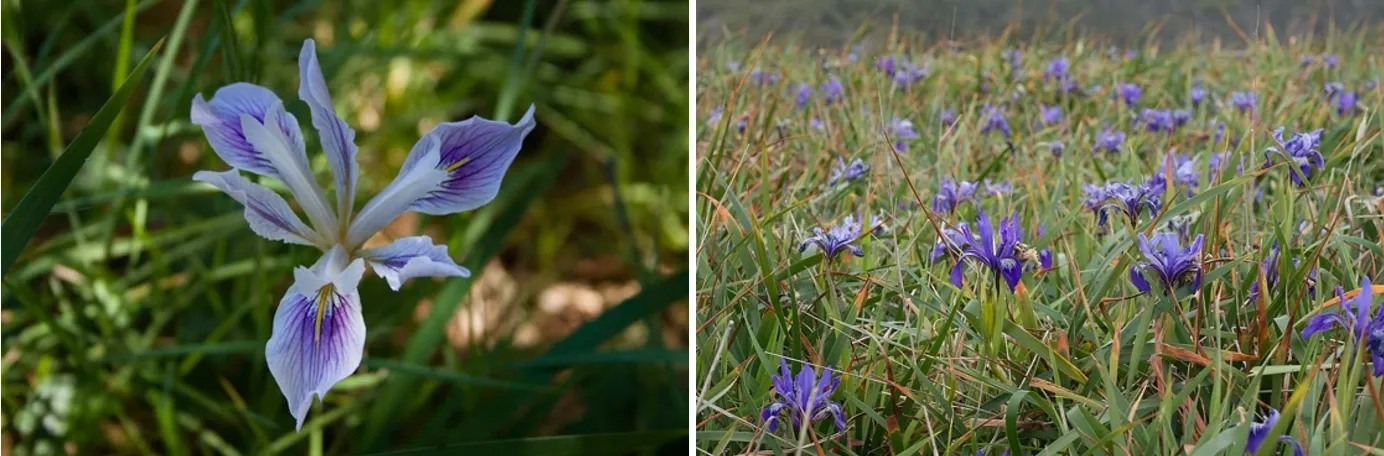
Features
- Bloom time: February to June
- Flowers: One to three flowers per stem, each flower 2.5 inches wide
- Foliage: 1 to 2-foot strappy green leaves with lighter green undersides
- Size: 1 to 2.5 feet tall and 2 to 4 feet wide
- Uses: along pathways, as groundcover, in rock gardens. If under oaks plant in the fall 4 to 6 feet away from the trunk; water during the first dry season, then withhold summer irrigation.
- Bonus: deer dislike it, but hummingbirds adore it
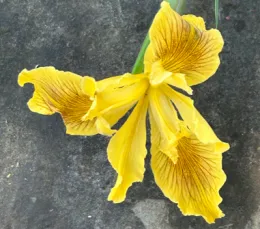
Growing tips
- Water: regular water for the first season or two; drought tolerant once established, but will benefit from occasional deep watering (every 2 to 4 weeks)
- Soil: prefer rich soil; amend clay soil with organic material before planting; good soil amendments include oak leaves and pine leaves
- Exposure: morning sun or dappled light or bright shade for most of the day; more shade for hotter locations
- Maintenance: They will spread slowly, but unlike bearded iris, they do not need frequent dividing.
Ground or long-tubed iris (Iris macrosiphon):
The ground iris is less common but still widespread. It is endemic to California, meaning it only grows in a specific location and nowhere else on Earth. It grows in the San Francisco Bay Area as well as the foothills of the Cascade, Sierra Nevada, and North Coast ranges. It is seen in sunny grasslands, meadows, and open woodlands.
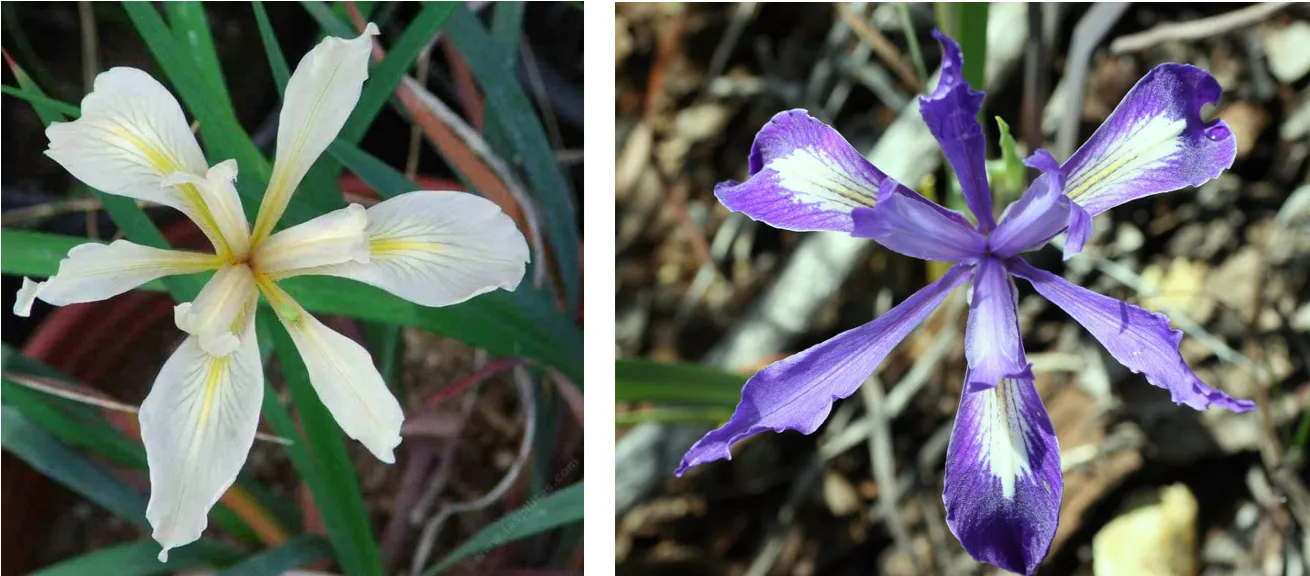
Features
- Bloom time: March to May
- Flowers: variable, from yellow ivory to lavender to deep blue or purple; flowers bloom close to the ground in clumps of the same color
- Foliage: slender, strappy, blue-green; semi-deciduous in summer
- Size: 6 inches to 1-foot tall; 1-foot wide
- Uses: rock gardens, containers, shady borders
- History: Native Californian tribes harvested the tough leaf fibers to make durable cords. The fibrous leaves can also be cooked to make paper.
- Bonus: It’s the only Marin iris with a fragrance.
Growing tips
- Water: low; maximum twice per month once established
- Soil: well-draining, amended with compost, oak leaves, or pine needles
- Exposure: full sun or part shade
Central Coast iris (Iris longipetala):
This rare native perennial only grows in the counties surrounding the Bay Area: from Mendocino County down through San Francisco to Monterey County. It is found in open hills and low, wet fields at elevations from 0 to 1,500 feet. In Marin County, look for it near the Nicasio Reservoir and on Angel Island. This iris performs well in gardens and has a pleasant fragrance.
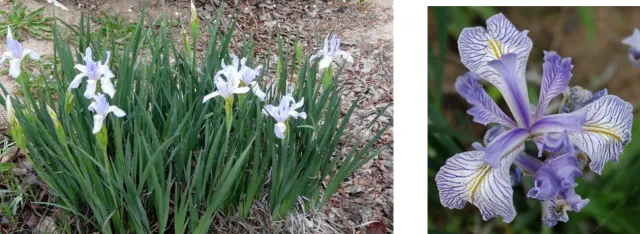
Features
- Bloom time: March to May
- Flowers:large, fragrant, creamy white to pale lavender-blue with purple venation
- Foliage: semi-evergreen, upright clumps of bluish-green blades; summer semi-deciduous
- Size: 2 feet tall and wide
- Uses: nice near water features or wet habitats
- Bonus: deer resistant!
Growing tips
- Water: low to moderate
- Soil: moist, heavy clay, or clay-loam soils
- Exposure: deep or partial shade
Where to see native iris
Our native iris are welcome visitors every spring throughout Marin. Here are some places you can count on seeing them:
- Mount Tamalpais – Visit the shadier areas such as the Pumpkin Ridge and Yolanda Trails.
- Lucas Valley Road – Look for large swaths along the roadside.
- Bolinas Ridge – Access this area via the southern or northern trailheads.
- Point Reyes National Seashore – Take a walk along the Chimney Rock Trail or the southern edge of the Ridge Trail near Bolinas to see iris in a wide array of colors.
- Indian Tree Open Space Preserve – Located within old-growth redwood and oak woodlands in Novato, this area is known for a huge diversity of iris hybrids.
- Ring Mountain Preserve – The rocky slopes of the Phyllis Ellman Trail in Tiburon is home to many blooming irises every spring.
Gardener's checklist for summer
JUNE
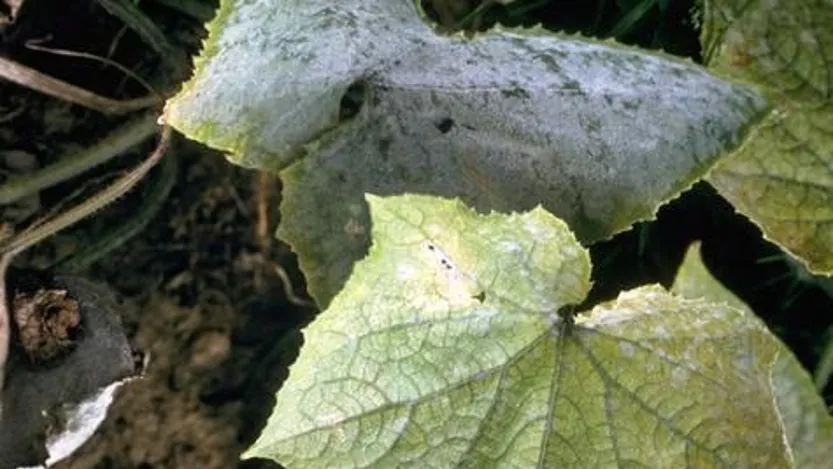
Maintenance and prevention
- Check soil moisture and adjust the watering schedule on your irrigation controller accordingly. Water early in the day. Watch container plants which may need daily watering.
- Control powdery mildew, a fungus that likes dry summer conditions. Spray susceptible plants with a horticultural oil or biological fungicide.
- Use pot feet or boards to elevate containers sitting on hot pavement.
- Don’t forget to water houseplants as your attention focuses on the outdoors.
- Check for standing water to keep mosquitoes from breeding.
- Treat ponds with mosquito repellent.
- Turn compost and keep it as moist as a wrung-out sponge. Add garden waste, grass clippings, pruning material, and leaves so long as they are not diseased.
- Raise the cutting height of lawnmower 1 to 1.5 inches to help grass survive drought and heat (encourages deep roots and reduces water demand).
- Leave lawn clippings on the ground for nutrients and as a mulch layer. Learn more about lawn care.
Planting and propagating
- Cut off spent flowers for continued bloom. (Consider leaving some for the birds.)
- Stake tall plants such as dahlias, gladiolus, and lilies as needed.
- Harvest blooming lavender to dry for indoor use.
Pests and weeds
- Monitor and control snails, slugs, and aphids.
- Use beneficial nematodes to manage grubs in your lawn.
- Keep an eye out for early signs of insect infestation - blast any you see with a garden hose.
- Set yellowjacket traps at the perimeter of the yard (not near eating areas) to discourage yellowjackets from visiting.
Feed and fertilize
- Make compost tea for a mild liquid fertilizer.
- Mulch shrubs and beds to conserve moisture.
- Fertilize roses and other summer-blooming plants, if needed, using an organic fertilizer.
- Use little or no fertilizer on herbs.
- Feed azaleas, camellias, and rhododendrons with a balanced organic fertilizer formulated for acid-loving plants monthly during the spring and summer.
Edibles
- Thin fruit trees.
- Thin fruit on apple trees.
- Protect summer fruit crops with netting or row cover.
- Plant beans, broccoli, chard, cucumbers, eggplant, ground cherries, melons, peppers, pumpkins, parsley, squash, tomatoes
- In cooler areas, plant cabbage, celery, lettuce, bunching onions, and peas.
- Learn more about crops to plant in June and other activities in the edible garden.
JULY
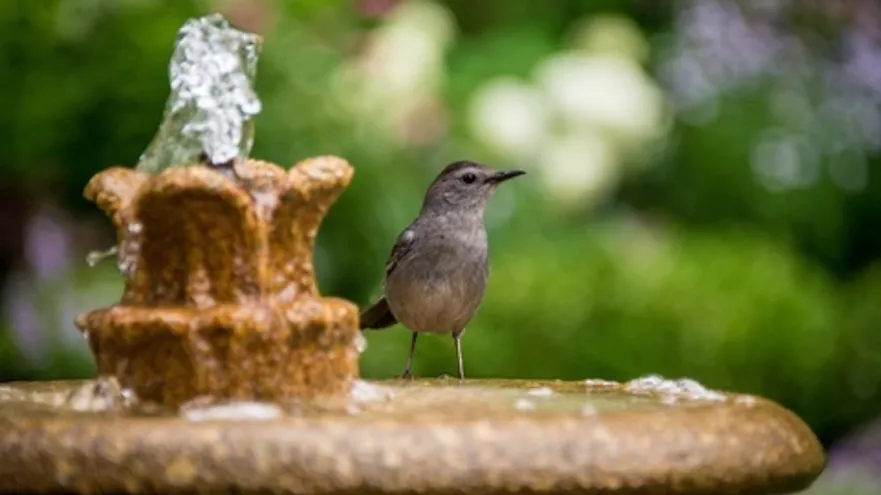
Maintenance and prevention
- Monitor soil moisture. The water requirements of plants peaks in July. Established perennials, shrubs, and trees need infrequent but deep watering. Container plants may need daily watering. Learn more about irrigation.
- Adjust watering schedules monthly, according to the weather and changing needs of your plants.
- Mulch garden and vegetable beds to protect them from summer heat, reduce watering needs, and keep the weeds down.
- Lightly fertilize summer growing succulents if needed, such as Agave and Echeveria. Learn more about caring for succulents. Cactus and succulents are drought tolerant, but many appreciate some water in very hot weather. Succulents may find full sun to be too strong in some locations, so provide them with some shade if they appear to be struggling.
- Drain standing water from saucers to eliminate mosquito breeding grounds.
- Treat ponds with mosquito repellent.
- Provide a water source such as a bird bath for thirsty birds and bees.
- Raise the cutting height of lawnmower 1 to 1.5 inches to help grass survive drought and heat (encourages deep roots and reduces water demand).
- Leave lawn clippings on the ground for nutrients and as a mulch layer. Learn more about lawn care.
Pests and weeds
- Control powdery mildew, a fungus that likes dry summer conditions. Spray susceptible plants with a horticultural oil or biological fungicide. Follow package directions.
- Monitor whiteflies — use sticky traps, thin out dense branches for air circulation, and use earth worm castings to discourage them. Using a reflective mulch or strips of foil will help repel them.
- Check shade shrubs for thrips.
- Check fuchsias for fuchsia mite. If found, cut back 6 inches beyond the infected site.
- Set yellowjacket traps at the perimeter of the yard (not near eating areas) to discourage yellowjackets from visiting.
- Clean up fallen fruit or nuts to avoid attracting or harboring pests.
- Deter borers by deep watering trees that are adapted to summer rainfall. Avoid pruning or creating open wounds that can also attract borers.
- Cover fruit trees with netting to exclude birds and other vertebrate pests.
- Check your vegetable plants such as peppers and tomatoes for aphids and their natural enemies. Spray aphids with a strong stream of water to knock them off sturdy plants. Most established plants can tolerate aphid feeding.
- Inspect apple, citrus and especially stone fruit for bacterial blast, blight, and canker. Remove entire affected branches in the summer, making cuts several inches away in healthy wood.
- Maintain a fire safe landscape by creating “defensible space.” Thin out thick vegetation and eliminate fuel ladders that allow fire to climb up trees or structures.
Planting and propagating
- Pinch off spent flowers on perennials and annuals to encourage repeat bloom.
- Pinch back chrysanthemums to encourage branching and increased bloom. Leggy impatiens and coleus also benefit from being pinched back.
- Dig up and divide overcrowded bearded irises.
- Dig up overcrowded bulbs after the foliage dies. Store bulbs in a cool, dry place for replanting in fall.
Feed and fertilize
- Feed azaleas, camellias, and rhododendrons with a balanced organic fertilizer formulated for acid-loving plants.
- Feed container plants if needed, using an organic fertilizer.
- Feed citrus if needed, using an organic fertilizer.
Edibles
- Plant beans and summer squash.
- In cooler areas, plant broccoli, cabbage, chard, collard greens, kale, lettuce, bunching onions, and peas.
- Learn more about crops to plant in July and other activities in the edible garden.
Fire-smart Landscaping
- Move wood mulch 5 feet or more away from the perimeter of your home and any other structures on your property. Place non-combustible mulch in that area instead.
- Learn more about Fire-smart Landscaping.
AUGUST
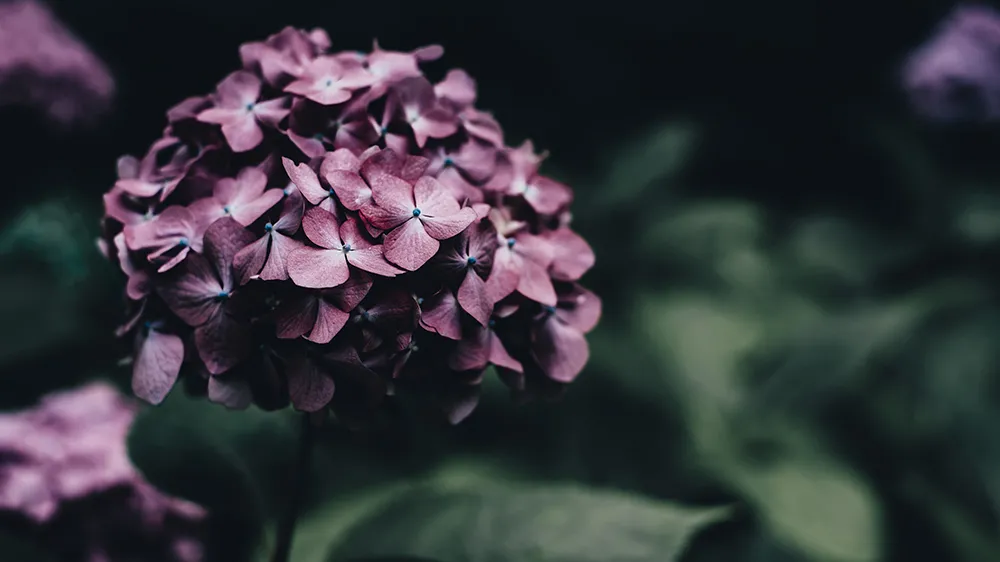
Maintenance and prevention
- Monitor soil moisture. Established perennials, shrubs and trees need infrequent but deep watering. Container plants may need daily watering.
- Adjust watering schedules monthly, according to the weather and changing needs of your plants.
- Check mature plants to be sure they are not water-stressed. Your 30+ year old plants are valuable!
- Container plants may need daily watering, as soil in pots can dry out quickly and damage plant roots on hot summer days.
- Treat ponds with mosquito repellent and empty containers with standing water.
- Raise the cutting height of lawnmower 1 to 1.5 inches to help grass survive drought and heat (encourages deep roots and reduces water demand).
- Leave lawn clippings on the ground for nutrients and as a mulch layer.
Planting and propagating
- Choose drought tolerant plants that attract butterflies. Remember to plant some for nectar like Lantana (adults) and some for feeding like native milkweed (Asclepias fascicularis), Ceanothus, Buckwheat (Eriogonum), or dill (caterpillars). Note: do not plant milkweed if you are within 5 miles of the coast. Learn more about pollinators.
Cutting and pruning
- Prune hydrangeas after blooms fade.
- Pinch off spent flowers on perennials and annuals to encourage repeat bloom.
- Maintenance prune coniferous trees: yews, junipers, redwoods and cypress.
Pests and weeds
- Monitor for spider mites by looking for fine webbing on plants. Minimize the chance of infestation by rinsing dust and dirt off leaves with a spray of water.
- Set yellowjacket traps at the perimeter of the garden (not near eating areas) to discourage yellowjackets from visiting.
Feed and fertilize
- Feed azaleas, camellias and rhododendrons with a balanced organic fertilizer formulated for acid-loving plants.
- Feed container plants if needed, using an organic fertilizer.
- Feed citrus if needed, using an organic fertilizer.
Edibles
- Plant broccoli, cabbage, cauliflower, celery, chard, and bunching onions.
- In cooler areas, plant collard greens, kale, lettuce, and peas.
- Learn more about crops to plant in August and other activities in the edible garden.
Fire-smart Landscaping
- Keep the landscape hydrated during hot, windy days, but don’t over water on Red Flag Days because it depletes water our fire departments need.
- Learn more about Fire-smart Landscaping.